
Protecting Tomato Plants from Overhead Pests
Birds, squirrels, raccoons, and deer often attack tomato fruit from above. A physical barrier is the most reliable defense. Effective Enclosure Systems Cage-wrap method: Surround each staked plant with 1-inch poultry ne

Troubleshooting Tomato Ripening Issues and Watermelon Harvest Signals
Tomatoes that stall at the green stage often signal nutrient imbalances or environmental stress. Watermelons, meanwhile, give clear signals when theyre ready. Jump-Starting Tomato Ripening Magnesium boost: Dissolve 1 t
Perfect Timing: Harvesting and Freezing Sweet Corn
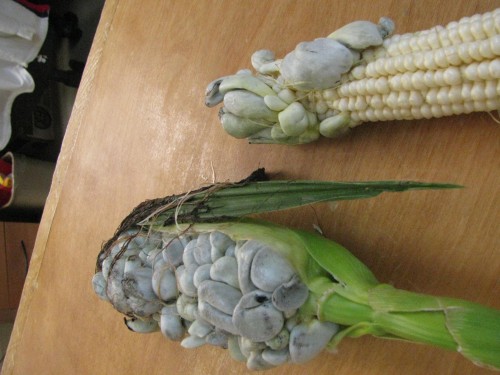
Sweet corn reaches peak eating quality during a narrow window. Heres how to catch it at its best and preserve that fresh-picked flavor. Ripeness Indicators Silk: Turns from pale yellow to dry, dark brown. Husk: Feels p
Managing Overcrowded Pumpkin and Brussels Sprout Plantings
Planting pumpkins and Brussels sprouts just 8–12 inches apart creates intense competition for light, water, and nutrients. Pumpkins are aggressive vining plants that need 24–36 inches between plants and 6–8 feet between
When to Harvest Spaghetti Squash and Cantaloupe for Peak Flavor
Harvest timing makes all the difference between bland, watery produce and sweet, flavorful fruit. Heres how to pick both crops at their prime. Spaghetti Squash Wait until the rind hardens and turns a uniform golden-yell
Identifying and Treating Powdery Mildew on Cantaloupe Leaves
A white, powdery film on cantaloupe leaves is typically a sign of powdery mildew, a common fungal disease that thrives in warm, humid conditions with poor air circulation. While the original response speculated about dam
Growing Tomatoes Indoors: Light, Pollination, and Realistic Expectations
The Challenge An apartment dweller in the Netherlands has an 18-inch tomato plant from a “grow kit” with flowers that fall off. Limited sunlight raises doubts about getting fruit. Why Flowers Drop Indoors Indoors, two f
Tomato Blossoms Falling Off? Heat Shock and Watering Are Likely Culprits
The Symptom Healthy tomato plants in Missouri (near Kansas City) lose blossoms about ¼ inch below the flower. No tiny fruit forms. Primary Suspect: Heat Stress When daytime temperatures exceed 90°F (especially over 100°
Why a Healthy Tomato Plant Flowers but Sets No Fruit
The Scenario A 7-foot-tall, vigorous tomato plant (possibly a “Big Boy” from saved seed) produces abundant flowers but zero fruit—blossoms drop off. Nearby tomatoes and bees are thriving. Likely Cause: Sterile Hybrid Se
Preventing Blossom-End Rot in Tomatoes with Epsom Salts and Solarization
The Problem A gardener asks if she can treat her soil in fall to prevent “dry rot” (blossom-end rot) on next year’s tomatoes. Two-Pronged Approach 1. Solarize the Soil Cover the bed with black plastic for 6 months over
Ripening a Prematurely Picked Cantaloupe Indoors
The Situation A Denver gardener harvested a cantaloupe too early—the tendril was still green and the fruit didn’t slip easily from the vine. She wants to know if it can ripen on the kitchen counter. Indoor Ripening Meth
Why Cherry Tomatoes Split and How to Prevent It
The Cause of Splitting Tomato splitting—especially in cherry varieties—is almost always a response to irregular watering. When a dry spell is followed by heavy rain (or sudden deep watering), the fruit’s interior expands
Boosting Zucchini Yields and Preventing Vine Borer Damage
The Problem A Long Island, NY gardener (Zone 5/6) faces two recurring issues with zucchini: a low fruit-set rate (most female blossoms rot at the base instead of developing) and a main stem that gets hollowed out by an i
Troubleshooting Tomato Plant Decline in Wet Climates: Identifying and Treating Fungal Wilts
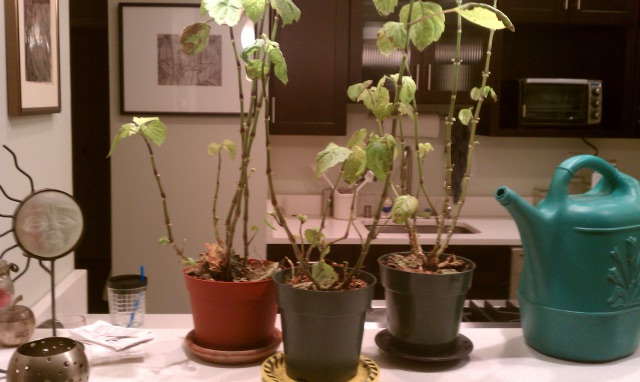
The Problem A gardener in Hawaii reports a yellow pear tomato plant with a puzzling pattern: the top four or five branches are green, healthy, and blooming, while the lower branches progressively turn brown and curl up f
First Fall Garden in Florida: Easy Crops & Fast Fruit Trees
Floridas fall/winter is prime for cool-season crops. Start with fast, low-maintenance wins. Easiest Vegetables Leaf lettuces, spinach, arugula (30–45 days) Radishes (25 days) Bush beans, kale, collards Herbs: dill, cila
Why Cantaloupes Split & How to Ripen After Picking
Splitting = sudden water uptake (rain or irrigation) after dry spell. In Arizona, heat stress + irregular watering is the culprit. Ripen Off-Vine Store in cool (60–70°F), dark place. Check daily; ripe when fragrant and
Leggy Pepper Plants: Prune for Bushier Growth
A tall, bare-stemmed pepper can be rejuvenated. Pinch the growing tip to force lower branching. How to Prune Cut main stem just above a node with leaves. Remove up to 1/3 of height. New shoots emerge from lower nodes in
Black Streaks on Jalapeños: Chemical Burn or Disease?
Black patches on pepper sides (not stems) often indicate fertilizer burn—especially from synthetic feeds like Miracle-Gro applied too strong or too often. Action Plan Stop fertilizing; water only for 2–3 weeks. Flush so
Dividing & Transplanting Irises: Timing & Technique
Irises divide best 6–8 weeks after blooming (usually July–September). This lets roots establish before winter. Steps Dig clump, shake off soil. Cut rhizomes into 3–4 inch sections with fan of leaves and healthy roots. T
Huge Tomato Plants, Few Fruits: Too Much Nitrogen
16-foot vines with 5 tomatoes = classic nitrogen overdose. Heavy vegetable waste or high-N fertilizer fuels leaves, not fruit. Fix for Next Year Use plain dirt base + 2 inches compost only. Fertilize with low-N, high-P/
Copyright © www.100flowers.win Botanic Garden All Rights Reserved