


Protecting Sunflower Seedlings with Row Covers
Reemay (floating row cover) is the single best solution for protecting vulnerable sunflower seedlings from birds, insects, and frost. How to Use Reemay Effectively Install immediately after sowing—before emergence. Dra

Why Tar Paper Harms Garden Soil (And Better Weed Barriers)
Tar paper leaches petroleum compounds into soil, degrades soil structure, and creates a toxic barrier to beneficial organisms. Its a roofing product, not a garden product. Safe, Effective Alternatives Black Plastic (Pol
Tomato Sucker Identification and Removal: A Visual Guide
Only suckers—shoots emerging from the angle between main stem and leaf branch—should be removed. Never remove leaf branches or flower clusters. How to Spot a Sucker Location: Leaf axil (crotch) where leaf meets main st
Why Pea Gravel Fails as a Soil Amendment (And What to Use Instead)
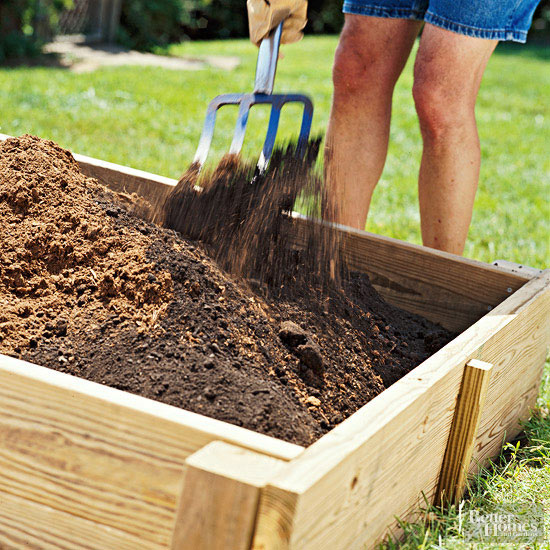
Pea gravel adds zero nutrients, impedes tilling, prevents root crop development, and creates permanent soil structure problems. Organic matter is the only amendment that improves soil holistically. What Organic Matter A
Fixing Yellowing Pepper Plants with Targeted Nutrition
Lower-leaf yellowing with green new growth indicates nitrogen and magnesium deficiency—common in heavy rain or overwatering that leaches nutrients. Immediate Two-Pronged Correction Foliar rescue: Spray 1 tbsp Epsom sal
Peppers and Tomatoes: Compatible Companions in the Nightshade Family
Peppers and tomatoes thrive together—they share cultural needs and dont inhibit each other. The real companion planting conflicts involve other families. Proven Good Neighbors for Both Basil: Improves flavor, repels th
Diagnosing Squash Vine Collapse: Borers, Wilt, and Bugs
Sudden squash death at the base usually stems from one of three culprits. Heres how to identify and manage each. 1. Squash Vine Borer (Most Likely) Signs: Small hole at base + orange-brown frass (sawdust-like excrement)
Temporary Yellowing After Heavy Rain: No Action Needed
Bright yellow new growth on container tomatoes after heavy rain is classic transient nutrient lockout—not a deficiency requiring correction. What Happens Saturated potting mix displaces oxygen, temporarily halting root
When and How to Prune Pepper Plants for Bushier Growth
Peppers need minimal pruning—only early pinching to establish structure. Single Critical Pruning Window At 4th true leaf set (seedling stage): Pinch off the growing tip just above the 3rd or 4th node. This forces latera
Blossom-End Rot in Container Peppers and Tomatoes: Soil and Water Fixes
Recurring black-bottomed fruit in reused container soil points to calcium transport failure from inconsistent watering and depleted soil. Why Containers Are High-Risk Limited soil volume = rapid moisture fluctuations.
Harvesting Jalapeños at Your Preferred Heat Level
Jalapeño heat increases as the fruit matures. Pick at the stage that matches your taste. Heat Progression Timeline Green, 2–3 inches: Mild, grassy, crisp. Best for pickling, fresh salsa. Green with purple/black streaks
Isolated Blossom-End Rot and Sunflower Germination Secrets
When only 1 of 8 tomato plants shows blossom-end rot, the cause is plant-specific, not systemic. Single-Plant Blossom-End Rot Likely causes: Root damage during transplant, slightly different microclimate (more sun/wind)
Diagnosing and Fixing Tomato Leaf Curl
Tomato leaf curl has three primary causes. Identify yours by pattern and context. Cause 1: Excess Nitrogen / Synthetic Fertilizer Burn Symptoms: Leaves curl downward, thicken, turn dark green or bluish. Often follows he
Why Your Butternut Squash Flowers Disappeared (And Why That's Normal)
Squash flowers are ephemeral—each blossom opens for just one morning, often wilting by noon. If youre not in the garden at dawn, youll miss them entirely. Flower Biology Basics Male flowers appear first (1–2 weeks befo
Propagating a Unique Seedless Tomato via Cuttings
A seedless tomato with great flavor is a rare find. Since hybrid seeds wont breed true and this plant has no seeds, vegetative propagation via cuttings is your only option to preserve its genetics. Step-by-Step Rooting
Watering, Feeding, and Pruning Container Tomatoes for Maximum Yield
Container tomatoes demand precise water and nutrient management. Heres a streamlined system for healthy, productive plants. Watering Protocol Deep soak 2–3 times weekly—until water drains freely from bottom holes. Neve
Why Sunflowers and Potatoes Struggle as Neighbors
Tall, dense sunflowers create heavy shade and intense root competition—both detrimental to potatoes, which need full sun and consistent soil moisture for tuber development. Mechanisms of Interference Light theft: Sunfl
Solving Blossom-End Rot on Tomatoes: Causes and Cures
Dark, sunken bottoms on tomatoes signal blossom-end rot—a physiological disorder caused by calcium deficiency during fruit development, almost always triggered by inconsistent watering. Root Causes Fluctuating soil moi
Can Butternut Squash Ripen After Early Harvest?
Butternut squash harvested before full maturity (deep tan rind, hard skin, dead vines) can continue to cure and sweeten off the vine, but results vary. Best-Case Ripening Protocol Select only fruit with some color chan
The Truth About Cross-Pollination Between Watermelons and Cantaloupes
Contrary to popular gardening lore, watermelons (Citrullus lanatus) and cantaloupes (Cucumis melo) cannot cross-pollinate—theyre different species in different genera. What you plant is what youll harvest this season. W
Copyright © www.100flowers.win Botanic Garden All Rights Reserved