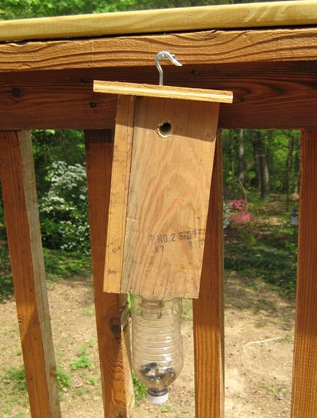
Carpenter Bee Traps: DIY Plans and User Success Stories
Building and Using Effective Carpenter Bee Traps Carpenter bees drilling into decks and furniture are a spring nuisance. Traps offer a pesticide-free management option—and readers report excellent results. How the Traps


Abandoned Well Safety: Legal Requirements for Proper Sealing
Dont Just Fill It: The Legal and Environmental Imperative of Well Abandonment That 36-inch concrete rim with water visible below isnt a landscape feature—its a liability requiring professional attention. Why DIY Filling
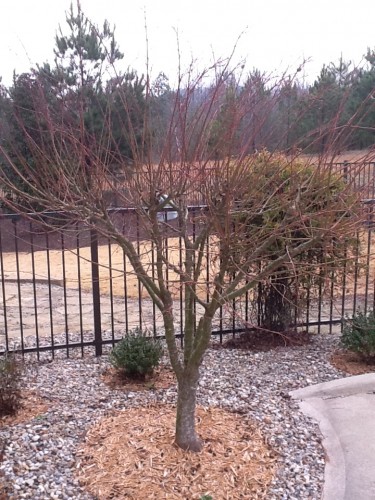
Restoring a Topped Japanese Maple: Pruning for Structure
Rehabilitating a Severely Pruned Coral Bark Maple When a well-meaning relative tops your Japanese maple, the resulting explosion of watersprouts requires strategic thinning to restore structure and beauty. Assessing the
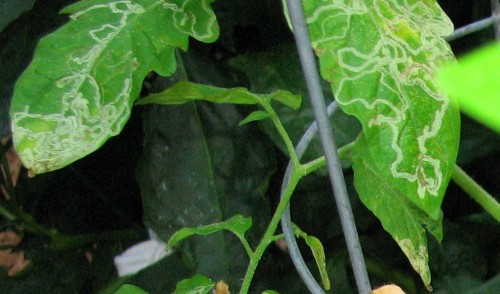
Tomato Leaf Miners: Identification and Integrated Management
Managing Tomato Leaf Miners for Healthier Plants Those white, serpentine trails winding through tomato leaves are the signature of leaf miners (Liriomyza species)—fly larvae tunneling between leaf surfaces. Life Cycle a
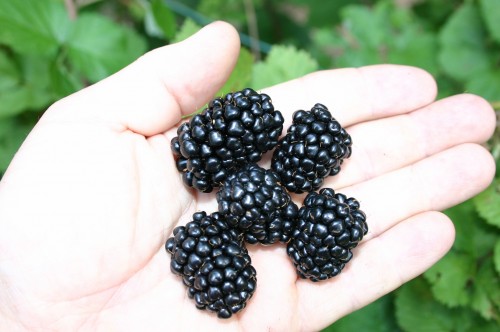
Community Supported Agriculture (CSA): Your Direct Link to Local Farms
How CSAs Connect Consumers with Local Farmers Community Supported Agriculture (CSA) creates a direct partnership between farmers and consumers—reshaping how we access fresh, seasonal food. How It Works Farmers offer a
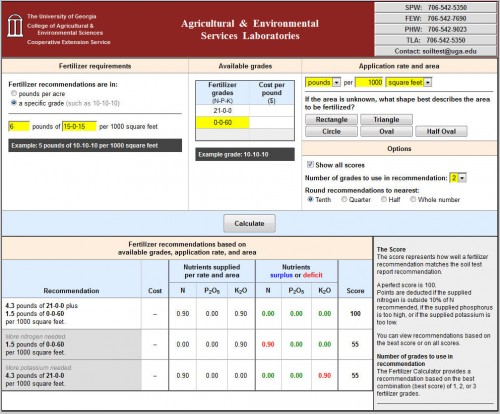
Converting Soil Test Recommendations to Local Fertilizer Products
Translating Lab Recommendations to Whats on the Shelf Your UGA soil test recommends 6 lbs of 15-0-15 per 1,000 sq ft, but local stores dont carry it. The UGA Fertilizer Calculator bridges this gap using products you can
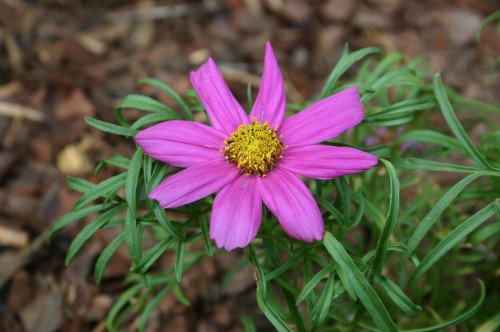
Fast-Sprouting Seeds for Classroom Gardening Projects
Quick-Germinating Seeds Perfect for Kindergarten Science Engage young learners with seeds that sprout in 5-7 days, providing visible results that maintain excitement and curiosity. Top Flower Choices (5-7 days) Bachelo
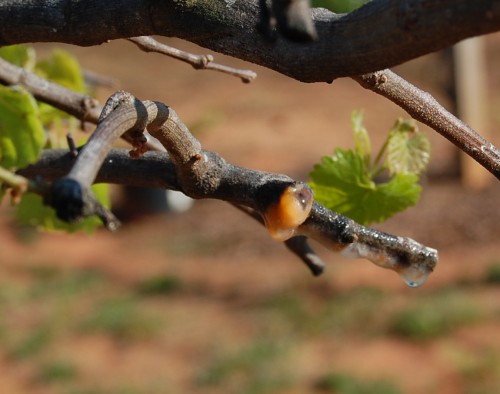
Muscadine Orange Ooze: Yeast Colonization of Sap
Understanding the Orange Goo on Pruned Muscadines That yellow-orange ooze appearing on fresh pruning cuts isnt disease—its muscadine sap being colonized by naturally occurring yeasts and fungi. The Science Behind the Co
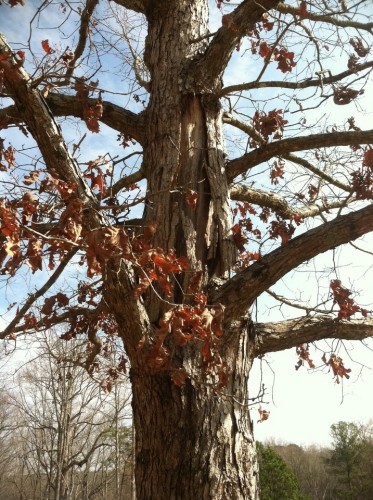
Tree Wound Healing: That "Vine" Is Actually New Bark
Good News: The Vine Under Your Oaks Bark Is Healing Tissue That alarming vine-like growth under your oaks bark splits isnt an invader—its the trees own healing response. Heres whats happening. Understanding the Healing
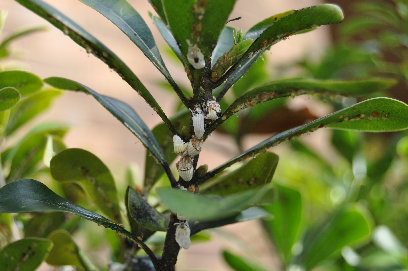
Cottony Cushion Scale: Effective Two-Step Treatment Plan
Controlling Heavy Cottony Cushion Scale Infestations Those thousands of white, cottony masses covering stems and leaf undersides are cottony cushion scale (Icerya purchasi)—a sap-sucking insect that can severely weaken s
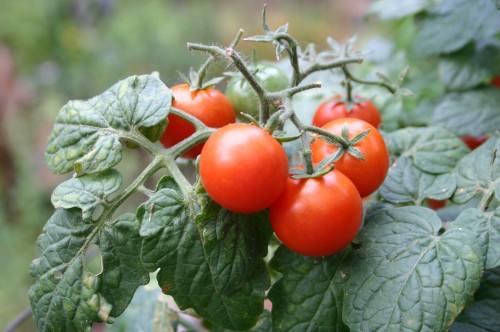
Southern Seed Sources: Supporting Regional Vegetable Varieties
Finding Vegetable Seeds Adapted to Southern Gardens Most seed catalogs originate in the Northeast, Midwest, or West Coast. For varieties truly adapted to Southern heat, humidity, and pest pressures, turn to regional seed
Fertilizer Math Made Easy: Converting 16-4-8 to Available Products
Matching Soil Test Recommendations to Store-Bought Fertilizers Your UGA soil test recommends 16-4-8 fertilizer, but local stores dont carry it. Dont worry—you can blend common fertilizers to achieve the same nutrient rat
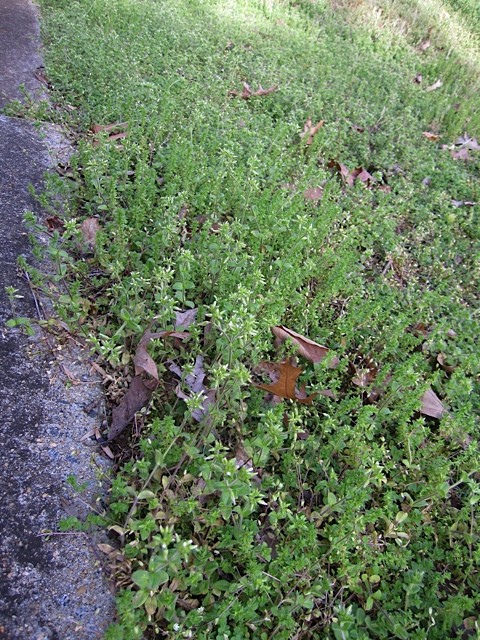
Fescue Seeding Failure: The Hidden Cost of Old Seed
Why Your Fescue Reseeding Failed: Check the Seed Tag Investing time and effort into fall fescue reseeding only to get a weed patch is frustrating. The culprit is often overlooked: old seed with poor viability. The Criti
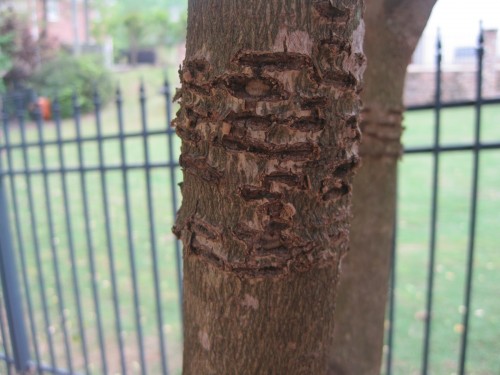
Diagnosing Trunk Damage on Hollies: Three Culprits Identified
Solving the Mystery of Holly Trunk Damage When hollies show bark damage at consistent heights across multiple plants, its rarely a single cause. This case reveals three distinct culprits working simultaneously. European
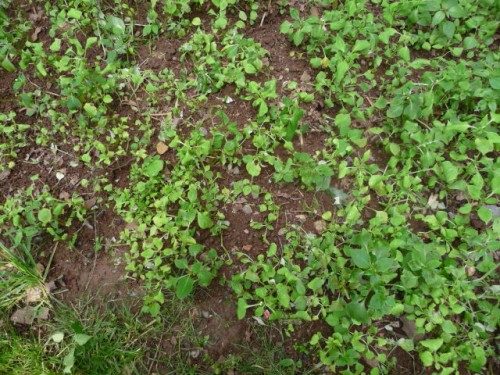
Impatiens Downy Mildew: Identification, Management, and Alternatives
Navigating the Impatiens Downy Mildew Challenge Garden impatiens (Impatiens walleriana) have faced devastating losses from downy mildew (Plasmopara obducens) in recent years. Understanding this disease helps you make inf
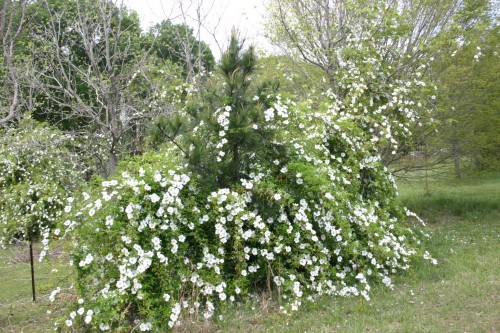
The Cherokee Rose: Georgia's State Flower and Its Complex History
Unraveling the Legend and Legacy of Georgias State Flower The Cherokee rose (Rosa laevigata) holds a unique place in Georgias history—designated as the state flower in 1916, yet not native to the region. Its story intert
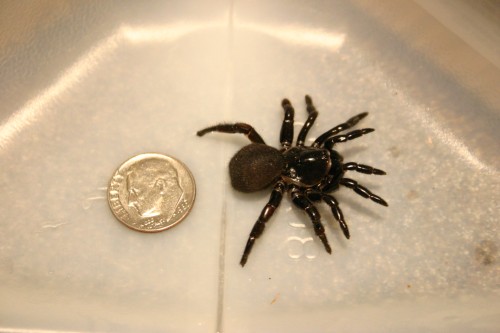
Trapdoor Spiders: Fascinating Garden Predators
Meet the Trapdoor Spider: Your Gardens Secret Guardian That startling encounter while digging in mulch was likely a trapdoor spider (Ummidia species)—a fascinating and beneficial arachnid common throughout Georgia. Iden
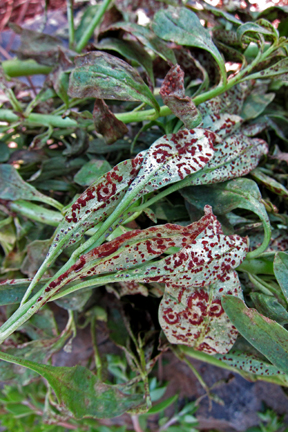
Snapdragon Rust: Identification, Prevention, and Control
Snapdragon Rust: A Common Spring Disease If your snapdragons develop orange-brown pustules on leaf undersides just as flower spikes emerge, youre likely dealing with snapdragon rust (Puccinia antirrhini). This fungal dis
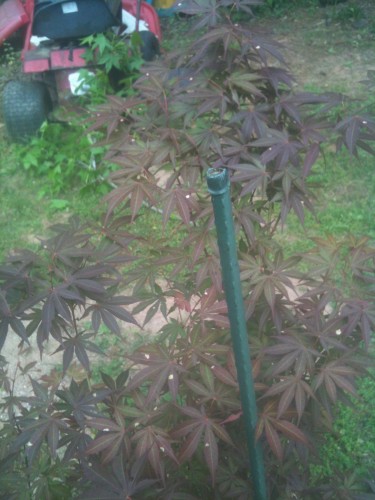
Japanese Maple Leaf Spots: Identifying and Managing Phyllosticta
Understanding Phyllosticta Leaf Spot on Japanese Maples Those mysterious white spots appearing on your Japanese maple leaves are likely Phyllosticta, a common fungal disease. While unsightly, it rarely causes serious har
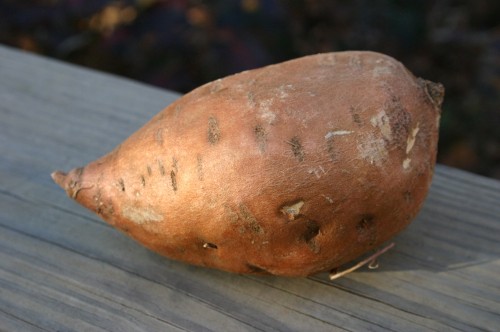
Growing Sweet Potato Slips: A Complete Guide for Home Gardeners
Growing Your Own Sweet Potato Slips Finding sweet potato plants locally can be challenging, especially if your go-to nursery has closed. Fortunately, growing your own slips at home is surprisingly simple and rewarding. S
Copyright © www.100flowers.win Botanic Garden All Rights Reserved