


Carpenter bees drilling into decks and furniture are a spring nuisance. Traps offer a pesticide-free management option—and readers report excellent results.
Bees investigate the pre-drilled entrance hole, enter the wooden block, and fall into the collection jar below. They cannot fly vertically to escape. The trap mimics their preferred nesting sites.
Carpenter bees are valuable pollinators. Traps target only the few damaging structures—consider leaving some areas undisturbed for their pollination services.
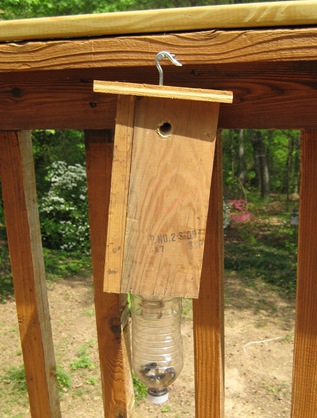
Basic carpenter bee trap construction
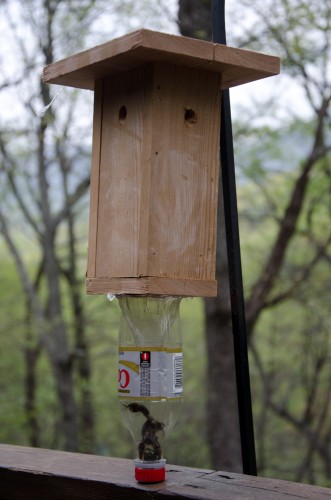
Completed trap with mason jar collector
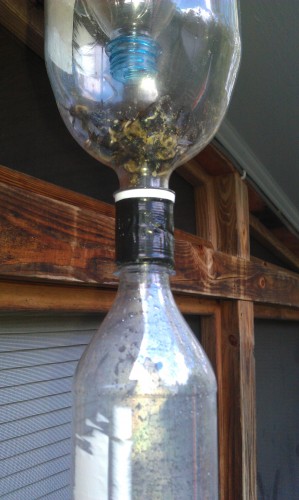
Proper mounting under eave near bee activity
Build a Backyard Bog Garden: Safe, Wildlife-Friendly Water Feature
Growing Basil in Pots for a Continuous Summer Harvest
DIY Bonsai Soil: Expanded Slate, Grit, Bark
Starting a Garden Club: Flexible Models for Modern Gardeners
Growing 'Rooster' Potatoes from Store-Bought Tubers
Storm Drain Cleanout: Perfect Free Compost
DIY Fertilizer Blend: Substituting 5-10-15 with Farm-Grade Ingredients
Carpenter Bee Damage to Cedar Fascia: Cover, Don't Replace
Landscaping Your Home: A Complete DIY Guide
Growing Kitchen Herbs: Fresh Flavor from Garden to Table
Pick-Your-Own Peach Farms Near Atlanta
DIY Ant Bait: A Simple, Effective Recipe Using Household Ingredients
Copyright © www.100flowers.win Botanic Garden All Rights Reserved