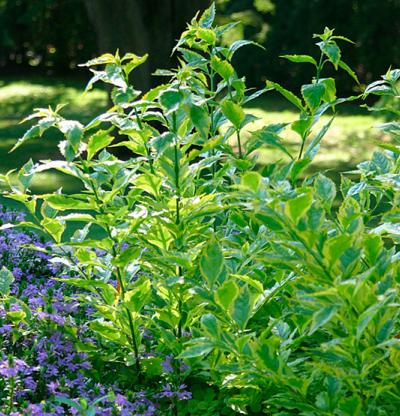
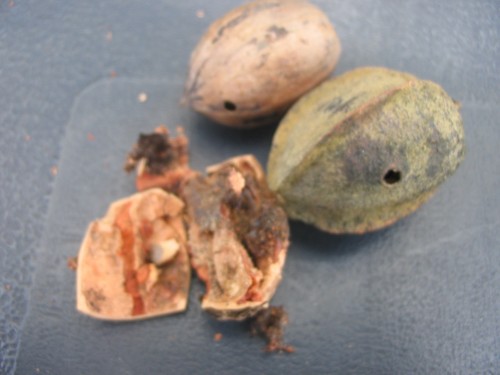


Propagating Scuppernong (Muscadine) by Layering Long Canes
Cut 36-inch switches in early summer, keep cool. Prepare sunny, loamy bed with 30-inch long, 2-inch deep trenches. Lay canes horizontally, cover with soil, leave 6-inch tip exposed. Water well. Underground sections root

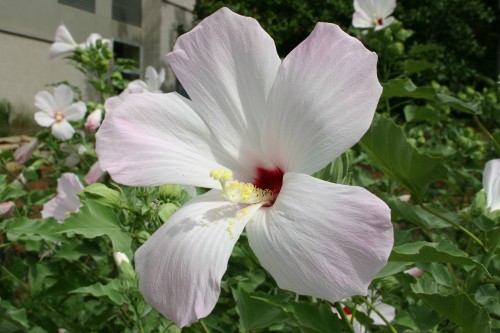
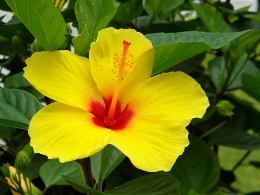
Swamp Hibiscus (Dinner Plate Hibiscus): Huge Blooms, Dies Back in Winter
Swamp hibiscus (Hibiscus moscheutos), also called swamp mallow or rose mallow, has 6-8 inch flowers. Disco Belle series, Lady Baltimore, Lord Baltimore, Luna are common. Stems die back in winter but resprout vigorously i
Chicle Tree Not Hardy in Georgia: Try Pine or Sweetgum Sap
Chicle (chicle tree) is tropical, not winter-hardy in Atlanta. Commercial gum is synthetic. For natural chewing, try pine or sweetgum sap—flavorful but wont blow bubbles.
Hardy Ground Orchids for Atlanta Gardens
Tropical orchids dont grow outdoors, but terrestrial orchids thrive: Calanthe discolor, Bletilla species, cranefly orchid (Tipularia discolor), and native ladyslippers. Georgia Native Plant Society rescues woodland orchi
Burford Holly Reversion: Prune Out Spiny Throwbacks
Burford holly originated from a Chinese holly (Ilex cornuta) seedling. Severe pruning often triggers reversion to spiny ancestral foliage. Best remedy: wear leather, use long-handled pruners to remove spiny limbs at base
Ferns for Full Sun and Deer Resistance
Deer avoid ferns. Southern shield fern (Thelypteris kunthii) tolerates full sun with watering. Autumn fern, holly fern, Christmas fern are evergreen and drought-tolerant but need shelter from hot afternoon sun.
Growing Pomegranate from Seed: Easy Spring Planting
Mash ripe pomegranate seeds through screen to separate from juice. Dry on paper plate, store cool/dry until spring. Plant in sunny bed in early May, barely cover with soil. Keep moist; sprouts in 6 weeks. Grow through su
Watering Crape Myrtle and Leyland Foliage: Mostly Unnecessary
Spraying leaves provides minimal water uptake; roots absorb most. However, strong sprays deter spider mites on Leylands and aphids on crape myrtles. Foliage wetting wont cause disease on these species. If it brings joy,
Growing Spanish Moss in Atlanta: Possible but Limited
Spanish moss is an epiphyte needing high heat/humidity. Atlanta summers suit it, but 20s temperatures kill it. Neighbors likely bring it back from vacation. One reader kept it alive in a water oak for years, but birds us
Beekeeping and Jasmine: Crossvine Safe, Carolina Jessamine Risk
Tangerine Beauty is a crossvine (Bignonia capreolata), not a jasmine, and safe for bees. Confederate jasmine (Trachelospermum jasminoides) shows no bee toxicity. Carolina jessamine (Gelsemium sempervirens) can be toxic t
Seeding Bermuda into Fescue: Two-Year Transition
Planting Bermuda seed into fescue creates a patchy lawn for two winters. Seed in mid-May: mow fescue low, aerate or slit-seed, spread 1-2 lbs Bermuda seed/1000 sq ft, water daily to keep top inch moist. Mow at 1.5 inches
Roadside Crabapples: Safe to Eat After Washing
Crabapples from Busy Roads: Wash and Enjoy Crabapples along a four-lane road are safe to eat after thorough washing. The greater concern with roadside foraging is leafy greens (dandelions, chickweed) that trap dust and c
Camperdown Elm in the South: Better Weeping Alternatives
Why the Camperdown Elm Struggles in Southern Heat The magnificent weeping Camperdown elm (Ulmus glabra Camperdownii) from Scotland succumbs to our summer heat and humidity. Consider these better-adapted weeping alternati
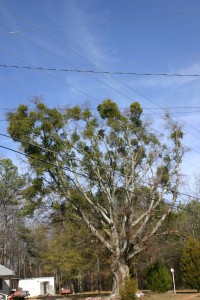
Mistletoe: The Tree Thief and Its Impact on Tree Health
Mistletoe Increase: More Than Just Fewer Ice Storms While ice storms may physically remove some mistletoe, the recent proliferation relates more to bird populations, host availability, and climate patterns than winter we
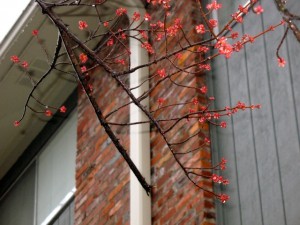
Seedless Red Maples: Why Your Tree Lacks Helicopters
The Mystery of the Maple Without Seeds Solved That beautiful red maple with pink spring blooms and golden fall color but no helicopter seeds isnt a different species—its likely a seedless hybrid cultivar. Seedless Red M
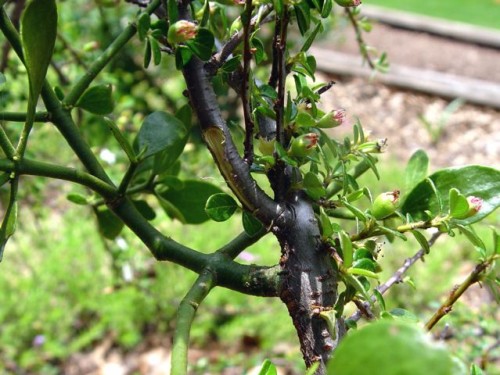
Mistletoe in Cotoneaster: Parasite Management on Shrubs
Mistletoe: Equal-Opportunity Parasite on Your Shrubs Finding mistletoe growing on cotoneaster instead of its typical oak host is surprising but not unusual—mistletoe infests many woody plants. How It Spreads Birds eat
Growing Ramps (Wild Leeks): A Native Edible for Woodland Gardens
Cultivating Ramps: From Wild Harvest to Garden Patch Ramps (Allium tricoccum), or wild leeks, are a prized spring ephemeral native to Appalachian woodlands. With patience, you can establish your own patch. Natural Habit
Dutch Elm Disease-Resistant American Elms for Southern Landscapes
Choosing the Right American Elm for Disease Resistance The American elm (Ulmus americana) once graced streets nationwide until Dutch elm disease (DED) decimated populations. New resistant cultivars offer hope for revival
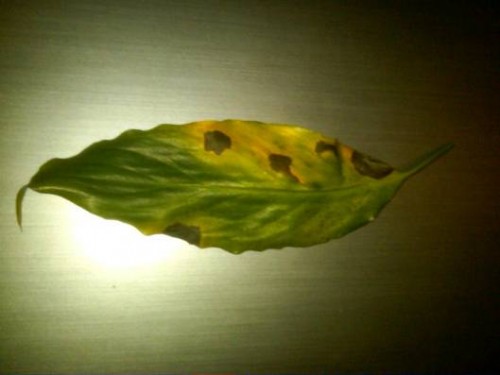
Peace Lily Leaf Spots: Diagnosing and Correcting Cultural Issues
Solving Bacterial Leaf Spot on Spathiphyllum Those unsightly spots on your peace lily likely stem from a combination of low light, overwatering, and nutrient deficiency—not a primary pathogen. Root Causes Low light: Pl

Southern Seed Companies: Regional Sources for Adapted Varieties
Best Seed Sources for Southern Gardeners Tired of catalogs from Maine, Minnesota, and California? These Southern companies offer varieties selected for our heat, humidity, and growing seasons. Top Regional Seed Companie
Copyright © www.100flowers.win Botanic Garden All Rights Reserved