


Garden impatiens (Impatiens walleriana) have faced devastating losses from downy mildew (Plasmopara obducens) in recent years. Understanding this disease helps you make informed planting decisions.
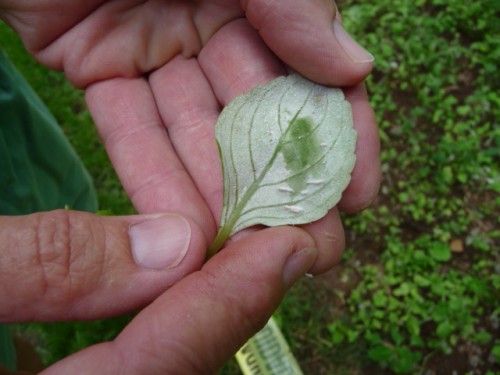
Early symptoms include subtle leaf yellowing and stunting. As the disease progresses, leaves curl downward, and a white, fuzzy growth appears on leaf undersides—especially in humid conditions. Eventually, leaves and flowers drop, leaving bare stems.
Mark Whittier, buyer for Pike Nurseries, emphasizes:
Downy mildew thrives where foliage remains wet for extended periods: dense plantings, shaded locations, and overhead irrigation create ideal conditions. Once established in a bed, the pathogen persists in soil for several years.
Consider these shade-tolerant substitutes with similar color impact:
Breeding programs are developing resistant garden impatiens varieties. In the meantime, diversifying your shade plantings reduces risk and creates more interesting, resilient gardens.
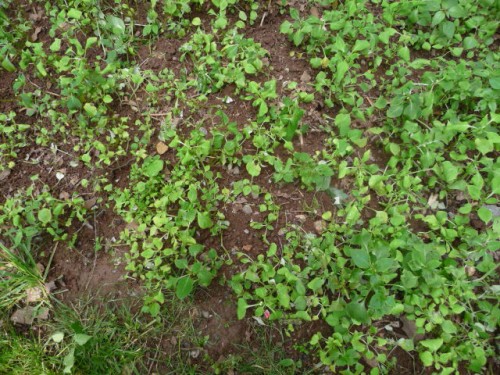
Classic downy mildew symptoms: yellowing leaves with white sporulation
Severe infection showing leaf drop and stem dieback

White fuzzy sporulation on leaf underside—diagnostic for downy mildew
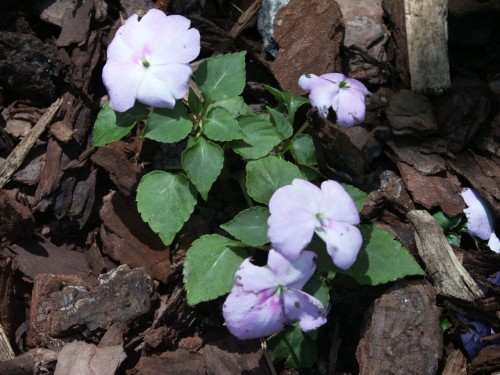
Healthy impatiens for comparison

Well-spaced impatiens bed with good air circulation
Identifying and Caring for Mystery Cactus Collection
Reviving a Declining Calathea: Light, Pot Size, and Humidity
Impatiens balsamina: Rose Balsam with Cup-Shaped Flowers and Explosive Seed Pods
Henbit vs. Purple Deadnettle: ID and Control
Huckleberry Identification and Growing in Georgia
Hydrangea Identification Guide: Know Your Type Before You Prune
Mistletoe Control: Understanding Ethephon Treatment and Limitations
Powdery Mildew on Lilacs and Peonies: Common, Manageable
Butterfly Identification and Host Plants: Your Georgia Guide
Squash Beetle vs. Mexican Bean Beetle: Spot the Difference
Oystershell Scale on Zelkova and Maple: Winter Oil Spray
Tree Identification Resources: Website and Book for Georgia
Ragweed: The Real Allergy Culprit
Easter Cactus (Hatiora gaertneri) Care: Cool Rest Period for Spring Blooms
Copyright © www.100flowers.win Botanic Garden All Rights Reserved