


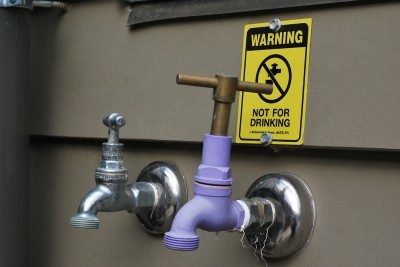
Graywater — gently used water from sinks, showers, tubs, and washing machines — can supply up to 33% of household irrigation needs. It's free, conserves potable water, and is generally safe for plants if managed correctly. Blackwater (toilets, diapers) is never safe.
Simple: divert washing machine hose to landscape (with valve for sewer backup). Complex: pumped, filtered, drip-irrigated systems. Permits often required.
Graywater is a powerful conservation tool — respect the guidelines, and your garden (and wallet) will thank you.
Watering Vegetable Gardens: Chlorine, Rainwater, and Timing Best Practices
Can Too Many Plants Kill Pond Fish? Understanding the Balance
Perennial Care Guide: Disease Prevention, Watering, and Seasonal Maintenance
Using Marigolds to Deter Deer in the Garden
Rain Garden Plants: Best Species for Wet Sites
Planting Combinations for the Water Garden: Foliage, Timing, and Reflections
Planting Aquatic Plants: Containers, Techniques, and Seasonal Timing
Selecting the Best Plants for Your Water Garden: Management, Bloom, and Foliage
Creative Container Water Gardens: Pots, Window Boxes & Watering Cans
Bamboo in the Garden: Choosing, Growing, and Containing
Create a Simple Container Water Garden in 3 Steps
Silver in the Garden: Using Silver-Foliage Plants for Texture and Contrast
Copyright © www.100flowers.win Botanic Garden All Rights Reserved