
Red Plastic Mulch for Tomatoes: Does It Really Boost Yields 20%?
The Science Behind Colored Mulches Research over the past decade has tested red, blue, and reflective (aluminum) plastic mulches. Red mulch shows the most consistent yield increase for tomatoes and peppers, but results v

Wild Asparagus: Safe to Eat, But Cultivated Varieties Are Better
Yes, Its Edible Wild Asparagus Asparagus ferns growing along fence rows are almost certainly wild asparagus (Asparagus officinalis)—escaped from cultivation. Birds eat the red berries from female plants and deposit seeds
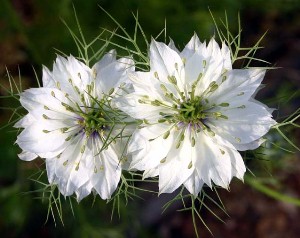
Growing Love-in-a-Mist (Nigella): Succession Planting for Continuous Blooms
Identifying the Mystery Flower The plant with fern-like foliage, dianthus-like spring flowers (pink, blue, white), and distinctive purple-striped seed pods is love-in-a-mist (Nigella damascena). It grows 2–3 feet tall an
Finding Balm of Gilead: Poplar Buds for Traditional Salve
Which Plant Is Balm of Gilead? The name applies to several species: Biblical: Commiphora gileadensis – a Middle Eastern tree. North American: Populus balsamifera (balsam poplar) – large, fragrant buds used in traditiona
Mystery Yellow Balls in Potting Soil: Fertilizer Capsules, Not Spider Eggs
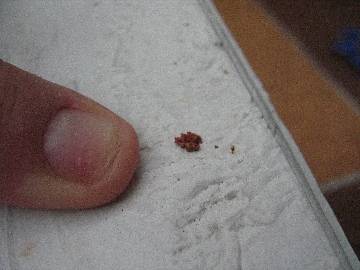
Dont Panic—Theyre Slow-Release Fertilizer Those tiny yellowish spheres embedded in potting soil are almost certainly controlled-release fertilizer capsules (e.g., Osmocote), not spider eggs. Growers use them to feed cont
Controlling Flies on House Walls
Early-season flies cluster on warm, light-colored walls. Spray water-based outdoor insecticide early morning when theyre sluggish. Long-term: eliminate breeding sites—pet waste, manure, compost. Indoors, use pyrethrin sp
Hollies Drowning in Amended Clay: Fix the Bathtub Effect
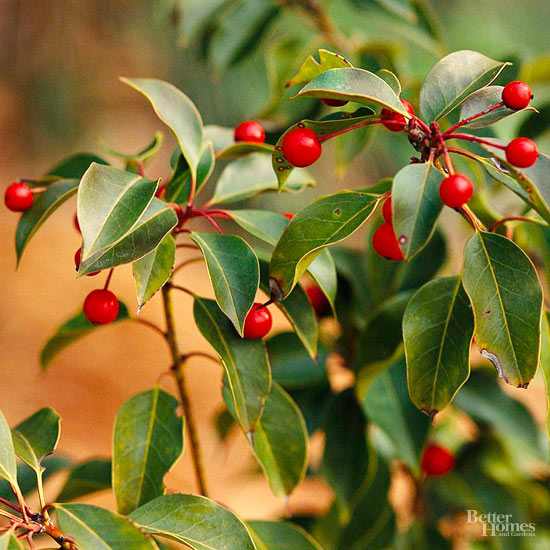
Backfilling planting holes with pure manure/enriched soil in heavy clay creates a bathtub that holds water and drowns roots. Instead, mix a 2″ layer of amendment into a 6-ft diameter ring around the planting spot. If hol
Perennial Alternatives to Mexican Heather for Long Bloom
Mexican heather (Cuphea hyssopifolia) is perennial only in Florida; Atlanta winters kill it. True perennials rarely bloom all summer. For extended color, mix Erigeron karvinskianus Profusion, Veronica Georgia Blue, Veron
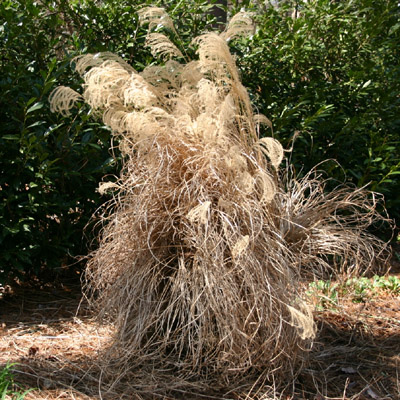
Cutting Back Ornamental Grasses in Winter
Cut pampas grass to 12–24″ in Jan–early March. Use a rope to cinch the clump, then saw (carpenters saw, electric trimmer, or chainsaw). Maiden and fountain grasses: cut to 10″, removing dead centers. Wear long sleeves, g
Magnolia Trunk Cracks: Usually Cosmetic
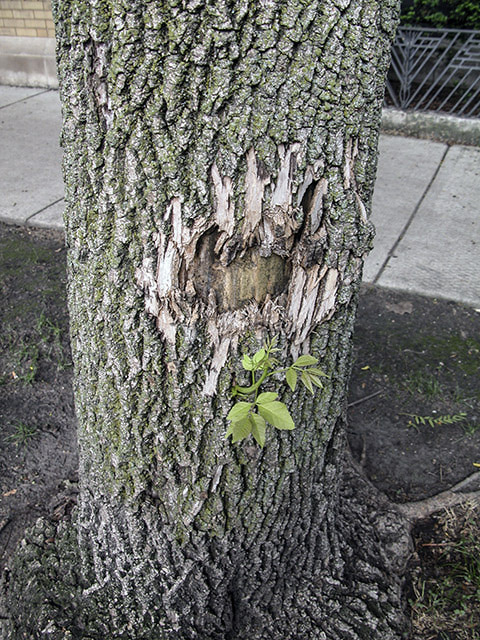
Longitudinal cracks on mature magnolia limbs often result from winter cold snaps after warm spells. If the cracks are old and healed over, the tree is fine. Monitor but dont panic.
Killing Large Stumps to Prevent Resprouting
Chop into the stumps outer edge with a hatchet, then spray glyphosate (Roundup) or triclopyr (Brush-B-Gon) into the fresh cuts. The herbicide translocates through the vascular system and stops future sprouts.
Measuring Soil Temperature for Garden Timing
Soil temperature cues pre-emergent herbicide application, bulb planting, and more. Use a soil thermometer or a standard outdoor thermometer inserted 2″ deep. Easier: check the UGA Environmental Monitoring networks weathe
Maintaining Soft Soil: Annual Compost and Biennial Lime
Once soil is soft, top-dress yearly with ½″ composted manure or fine soil conditioner; earthworms incorporate it. Without this, Georgia heat and humidity consume organic matter in a few years. Apply 4 lbs lime per 100 sq
Becoming a Landscape Designer Without a Five-Year Degree
Landscape architecture requires a five-year degree covering engineering, design, and horticulture. For design-focused work, intensive horticulture courses plus design basics at Gwinnett Tech, North Metro Tech, or UGA onl
Don't Build a Raised Bed Around a Tree Trunk
Piling soil 18″ deep against a 3-year-old red maple invites rot and termites. Instead, dig between roots, replace poor soil with quality planting mix, and plant flowers there. Its a joint project that protects the tree.
Japanese Maple in a Drainage-Free Copper Planter
Possible but demanding. Container must be ≥24″ wide and deep. Create a gravel reservoir at the bottom, separated from soil by weed-block fabric, so excess water drains out of the root zone. Watering precision is critical
Upside-Down Tomato Bucket: Why It Struggles
Hanging a tomato from a 5-gallon bucket interferes with gravity-dependent hormone transport that triggers blooming and fruiting. The plant turns upward seeking light and proper hormone flow. If you persist, support the v
Propagating Bearded Iris from Seed
The swollen pod below a faded iris flower holds seeds. When it dries and splits (weeks later), collect dark seeds and sow immediately in a sunny, moist spot. Fresh seed germinates best; some sprout quickly, others wait u
Hanging a Hammock Without Harming Trees
Wrapping chain around a trunk compresses bark and damages the cambium layer that transports water and nutrients. Even padded hose is harmful. Better: drill through the trunk and install an eyebolt. The tree compartmental
Mediterranean Heather (Heath) Care and Moving
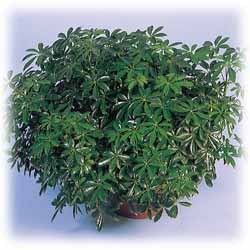
Two species are sold as Mediterranean heather: Erica carnea (alpine) and Erica darleyensis (Mediterranean Pink/White). Both are technically heaths, not heathers. They need strong morning sun, afternoon dappled shade, san
Copyright © www.100flowers.win Botanic Garden All Rights Reserved