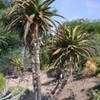
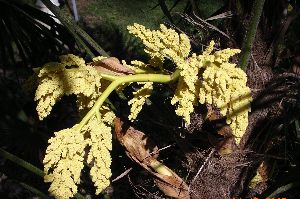
Windmill Palm Flowers: Seed Potential If You Have Both Sexes
The yellow sprays are male or female flowers. If your palm is female and a male is nearby, blue seeds form in August. Germinate in moist 1:1 peat:perlite at 75–90 °F in a sealed bag; sprouts appear in months. Protect you


Growing Olive Trees from Pits: Processing Prevents Germination
Commercial olives are cured in lye/brine, which kills the embryo. Even fresh pits germinate poorly. Olives need zone 8+ (12 °F minimum) for outdoor survival. See updated Georgia olive industry links for current variety t
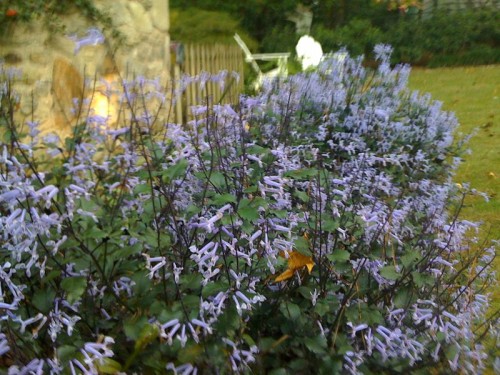
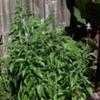
Plectranthus ‘Mona Lavender’: Tender Perennial Grown as Annual
In frost-free zones it’s a woody sub-shrub; where it freezes, treat as annual. Dark green leaves with purple veins; lavender spikes appear when days shorten (<12 hrs). Blooms until frost. Root cuttings in water each Octo
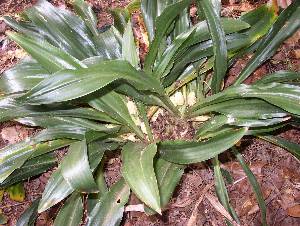
Rohdea japonica (Japanese Sacred Lily): Dry-Shade Superstar
Evergreen, strap-leaved, slow-spreading rhizomes; thrives in dry shade where little else grows. Spring flowers become showy red berries. Many named cultivars exist (variegated, dwarf, twisted leaves). Source: Piccadilly
Mosquito Fern (Azolla) Control in Frog Ponds
Azolla carpets the surface, shading out oxygenating plants. Excess nutrients (frog waste, fish food) fuel it. Controls: Skim regularly—removes nitrogen; compost the biomass. Add koi—they graze Azolla. Reduce feeding; re
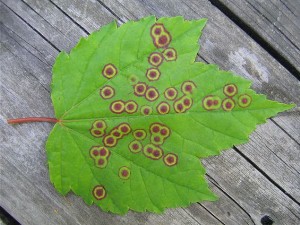
Maple Eyespot Gall: Colorful but Harmless Midge Damage
Bright red-yellow rings on maple leaves are eyespot galls caused by a tiny midge (fly). Larval feeding triggers the colorful hormone response. Purely cosmetic; no harm to tree. Just a neat nature observation.
Peach Scab: Prevention Starts the Previous Season
Black spots on fruit are peach scab (fungus). Infection occurs at shuck split; by the time you see spots, it’s too late. For next year: Thin fruit in May to 6″ spacing—improves air flow and fungicide coverage. Remove al
Liquid Aeration Products: Experts Skeptical of Claims
Three UGA scientists reviewed surfactant-based “liquid aeration”: Dr. Tim Smalley: Works on hydrophobic sands (golf greens); no data for clay landscapes; concerned about cost/longevity. Dr. Dave Kissel: Many such produc
Crape Myrtle Twig Drop: Normal Early Summer Cleanup
Small, weakly attached twigs shed in early summer as the tree “self-thins” after lush spring growth. Oaks and pines do it too. Rake them up; the tree is healthy.
Relocating Rabbits: Why It Usually Fails
Wildlife biologists warn that relocated cottontails rarely survive—they don’t know local escape routes, food sources, or predators. Your chipmunks likely perished. Low fencing (chicken wire, 2 ft high, buried 6″) is more
Fuchsia in the South: Container Culture for Summer Survival
Fuchsia wilts above 85 °F and dies below 25 °F. Best strategy: pot in spring, give morning sun only, move to full shade by June. Keep soil evenly moist—never bone dry or soggy. Leaf drop signals root distress.
Boxwood Branch Dieback: Causes and Cultural Fixes
Volutella blight is a common fungal cause of branch death. Prune out dead wood (as you’re doing). Underlying stress—poor drainage, clay soil, drought—often triggers it. Japanese boxwood (B. microphylla) outperforms Engli
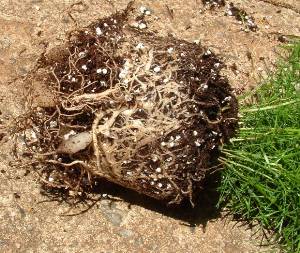
Asparagus Fern Root Nodules: Normal Water Storage, Not Disease
The swollen root structures are natural storage nodules, not galls or nematodes. Vigorous roots will eventually crack plastic pots—divide when crowded. Note: foliage and berries are toxic; plant is invasive in coastal FL
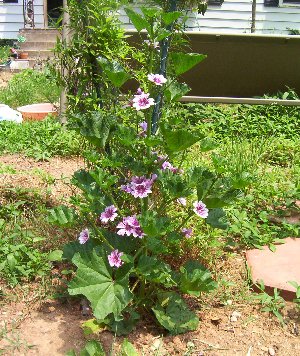
Common Mallow (Malva sylvestris): Hollyhock’s Dainty Cousin
Striking pink-purple flowers with dark veins identify this annual/biennial relative of hollyhock. Collect seeds from dry pods in August; sow in spring in sunny, loose soil. Self-sows readily; share seedlings with friends
Corn Pollination: Wind, Not Bees, Does the Job
Corn is wind-pollinated; bee scarcity doesn’t affect it. Rainy weather can reduce pollen shed. Tomatoes (also wind-pollinated) suffer when humidity makes pollen sticky—tap flower clusters twice daily to help. Squash need
Witch Hazel Gall Aphid on Fothergilla: Cone-Shaped Leaf Galls
Cone-like swellings on fothergilla leaves are caused by the witch hazel gall aphid. The insect induces the leaf to form a protective chamber around her. Cosmetic only; no control needed. Fascinating insect-plant interact
Growing Olive Trees in North Georgia: Container Culture Is Key
Olives (Olea europaea) suffer damage below 20 °F. In Gainesville (zone 7b), grow in large pots and move indoors during hard freezes. ‘Arbequina’ is cited as cold-hardy to zone 7. Requirements: Alkaline soil (pH 7.5–8.5)
Why Zoysiagrass Greens Up Late
Zoysia may stay brown until June due to: Early scalping (wait for 60 °F soil) Early nitrogen (wait for 65 °F soil) Thick thatch insulating soil Large Patch disease Previous fertilizer/herbicide misapplication Erratic wi
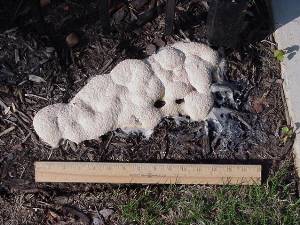
Slime Mold in Mulch: Weird but Harmless
Those colorful, foamy, or crusty blobs appearing after rain are slime molds—primitive organisms that digest decaying organic matter. They don’t harm plants. Blast them with a hose or ignore them; they’ll vanish when the
Acetic Acid (Vinegar) Herbicides: Not as Safe as Advertised
“Burnout” (25% acetic acid) carries a DANGER label: corrosive, causes severe eye/skin burns, respiratory damage if inhaled. Household vinegar (5%) kills only tiny annual seedlings; 10–20% acetic acid gives 80–100% kill o
Copyright © www.100flowers.win Botanic Garden All Rights Reserved