

Tabasco Pepper Ripeness: Red = Maximum Heat
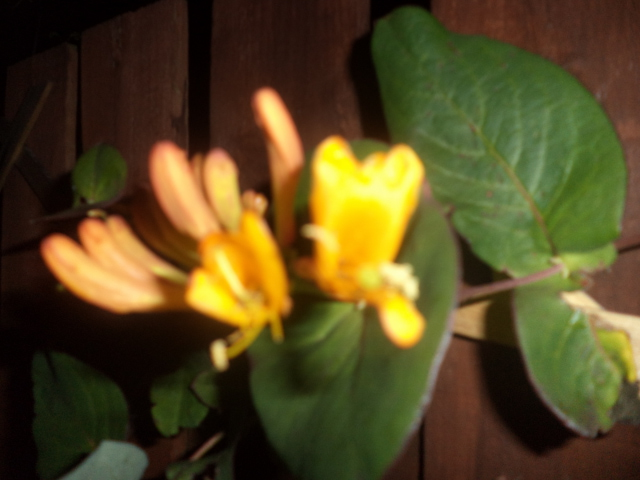
All peppers ripen to red. For peak heat and flavor, pick Tabascos when fully red. Green or yellow are edible but milder.

Bird Suet Ingredients: Propylene Glycol and Fats in Perspective
“The dose makes the poison” (Paracelsus). Propylene glycol is GRAS (Generally Recognized As Safe) in food. Hydrogenated oils and animal fats are common dietary components. Consult your physician if concerned, but trace a
Meyer Lemon Hardiness Tag Error: It’s 20s, Not -20 °F
The “-20 °F” tag is a typo. Meyer lemon survives to the upper 20s °F; lower temps kill it. In zone 7b, grow in a container and move indoors for winter.
Osmosis Explained: Carrot Experiment Decoded
Water moves across semi-permeable membranes (carrot skin) from low-solute to high-solute areas. No water: Carrot loses moisture to dry air → shrivels. Pure water: Water enters carrot (higher internal solutes) → swells.
Spider Lily Bulbs Surfacing: Normal, Not Erosion
Lycoris radiata bulbs naturally sit at or just above soil level. Lightly top-dress with planting mix if desired, but no deep covering needed.
Crushed Granite (M10) Source Near Stone Mountain
Vulcan Materials (770-458-4481) operates multiple Atlanta plants. They call coarse sand “M10.” Call for delivery minimums and pricing.
Termite Treatment: Bait vs. Liquid—Compare 10-Year Costs
Both systems work. Get a 10-year total-cost estimate from each company (includes bait inspections or 5-year liquid retreatments). Contract must guarantee repair/replacement of termite damage. Compare apples to apples.
Transplanting Resurrection Fern: Lay Pieces at Tree Base
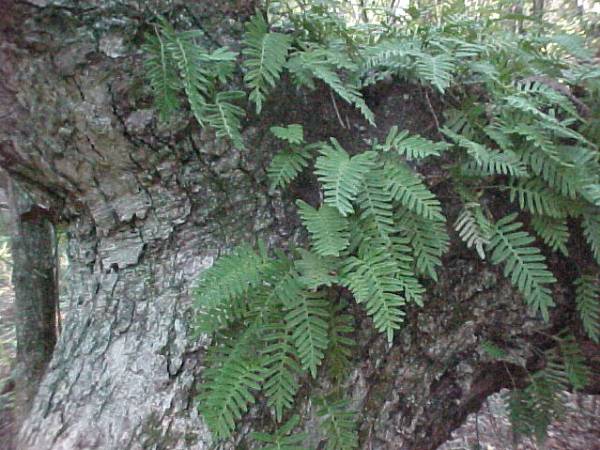
Best success: lay salvaged pieces half on ground, half against trunk of target oak, with coarse wood-chip mulch underneath. Spores from established fern may colonize the new tree. Don’t keep wet—it wouldn’t stay wet 15 f
Wire Basket on B&B Trees: Remove Burlap, Not Necessarily the Cage
Research is mixed on wire baskets; millions of trees survive with them. Consensus: always remove all burlap (it wicks moisture and blocks roots). If the basket hinders burlap removal, cut wires as needed. Author’s method
Confederate Rose (Hibiscus mutabilis): Easy Cuttings in Water
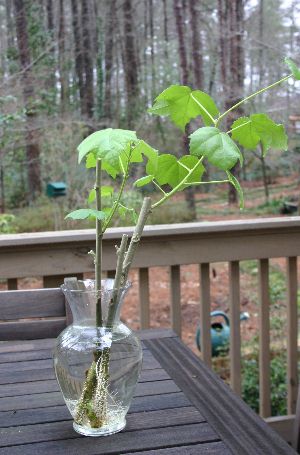
Root 12″ tip cuttings in a bucket of water indoors (warm, sunny) before first frost. Roots form by December; pot in January, plant out in spring. Seeds also work but cuttings are faster and true to type.
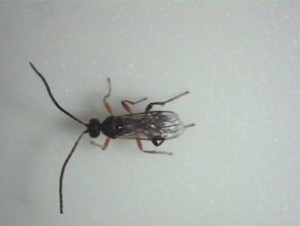
Cynipid Wasp Wool Galls in Turf: Harmless Curiosity
Cottony masses on grass blades are woolly galls from tiny Cynipid wasps. No turf damage. Mow them off; they’ll disappear. Agent Todd Hurt hatched 50+ adults from a sample on his desk.
Too Much Chicken Manure: Flush Excess Nitrogen With Time and Water
Over-application burns plants with ammonia/nitrogen toxicity. Either dig out the hot spots or wait—rain and microbes will leach and convert excess N. Test by planting a tomato weekly; when it thrives, the bed is safe.
Online plans and inspiration: Pete’s Bridge Garden Bridge Earthworks Search these terms for step-by-step guides and photos.
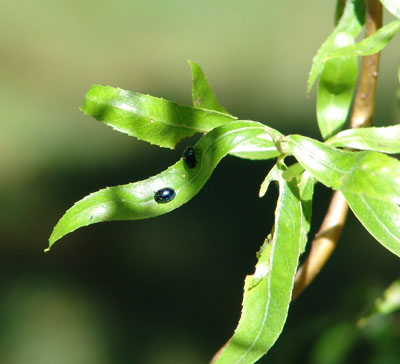
Willow Leaf Beetle: Metallic Pests on Corkscrew Willow
Greenish-blue metallic adults and black larvae skeletonize leaves. Rarely kill the tree. Spray at first sight (mid-May) and repeat mid-July with permethrin, bifenthrin, spinosad, or carbaryl. Spinosad is softer on benefi
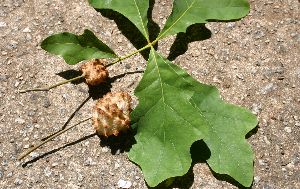
Oak Sower Gall: Tiny Wasp Nursery on Twigs
White, fuzzy gall with seed-like capsules is the oak sower gall, formed around eggs of a minute wasp. Harmless to tree and people. Place in a jar; adults emerge in a week—release them.
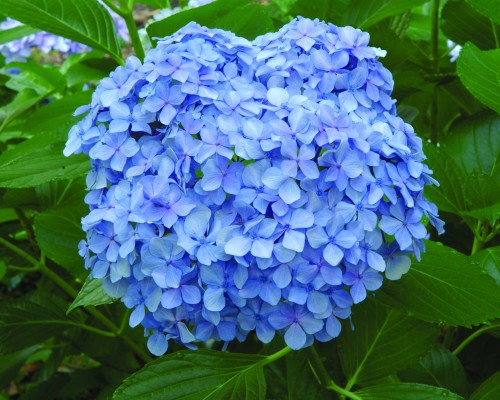
Epsom Salt Won’t Blue Your Hydrangeas—Use Alum Instead
Epsom salt (magnesium sulfate) is pH-neutral; it doesn’t acidify soil. Blue hydrangeas need aluminum availability in acid soil. Apply 2 Tbsp aluminum sulfate (alum) per plant to lower pH and supply Al³⁺. Epsom salt is fi
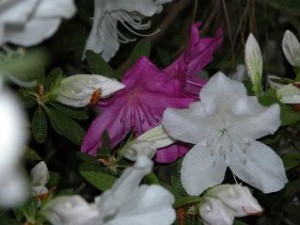
‘G. G. Gerbing’ Azalea Sport: Reverting to ‘George L. Taber’
‘Gerbing’ originated as a white-flowered sport on ‘George L. Taber’ (lavender). Your lavender blooms are a reversion to the parent. Both are cold-hardy Southern favorites. Prune out the sport or enjoy the surprise.
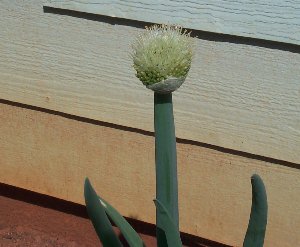
Garlic Volunteers in the Iris Bed: Edible Bonus
Garlic doesn’t set true seed; someone likely tossed kitchen scraps. Harvest when most leaves yellow (early summer); cure 2–3 weeks on screens. Save largest cloves for fall replanting. Stores longer than onions.
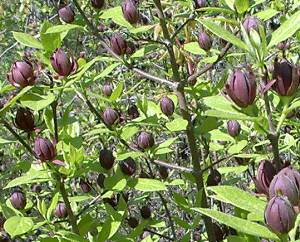
Sweetshrub (Calycanthus floridus): Fragrant Native with Suckering Habit
Strap-like red flowers (sometimes fragrant, sometimes not), suckers aggressively. ‘Athens’ cultivar is reliably fragrant. Control spread with a machete or spade. Crushed leaves are aromatic. Buy in bloom to verify scent.
Starting a Profitable Small Farm: High-Value Crops on Few Acres
Commodity crops (beef, soy, hay) need scale. On small acreage, pursue high-value, labor-intensive crops: specialty vegetables, herbs, cut flowers, berries, mushrooms, or agritourism. The University of Florida’s “Small Fa
Copyright © www.100flowers.win Botanic Garden All Rights Reserved