


Squirrels Eating Young Maple Leaves
A newly planted maples leaves were disappearing—culprit: a squirrel. Young squirrels sample many foods before settling on nuts and seeds. The expert recommended spraying foliage with Ropel animal repellent, a bitter-tast

Spittlebugs: Harmless Foam on Plant Stems
A gardener noticed white foam on plant stems and learned its spittlebug nymphs (froghoppers). The nymphs create the froth for protection and humidity. Theyre rarely harmful; a strong jet of water dislodges them. No insec
Sweetgum Seedpods: Nature's Spiky Balls
A family found a golf-ball-sized spiky ball with a stem and small openings—identified as a sweetgum (Liquidambar styraciflua) seedpod. The expert suggested teaching kids to identify the tree by its five-lobed leaves (fiv
Pokeweed: Identification, Toxicity, and Wildlife Value
A gardener described a purple-stemmed plant with green leaves darkening with age, dark purple berries, and a carrot-like taproot, growing to 6 feet. It was identified as pokeweed (Phytolacca americana), a common native w
Fire Ant Control in Large Pastures
A landowner wanted to treat 84 acres of pasture for fire ants; dogs are trained there but no livestock. Three pasture-labeled products were identified: methoprene (Extinguish, growth regulator), hydramethylnon (Amdro Pro
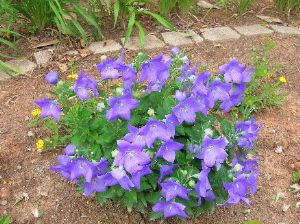
Balloon Flower: A Perennial with Playful Buds
A gardener wanted to identify a flower that appeared with their house purchase. It was balloon flower (Platycodon grandiflorus), named for the way buds swell like blue balloons before opening. A 2-foot perennial for full
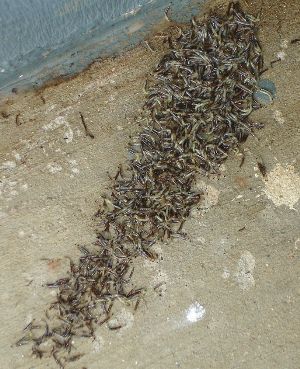
Dark-Winged Fungus Gnat Larvae: The Marching "Worms"
A homeowner described hundreds of tiny worms moving in a cohesive group across their patio, breaking up when sprayed. Experts at BugGuide.net identified them as larvae of dark-winged fungus gnats (Bradysia spp.). Usually
Building a Small Wooden Footbridge
A homeowner wanted to build a small bridge over a 1.5-foot-wide creek and asked for book recommendations. The expert provided links to online resources: Building My Bridge, Bridge Ideas, and Picture of Finished Bridge fo
Epicormic Branches: A Tree's Last Gasp
A sugar maple planted a year ago lost its buds to a hard freeze; only a tuft of leaves near the base appeared. The expert identified these as epicormic branches—emergency growth from dormant buds when a tree is severely
Vines on Pressure-Treated Wood: No Compatibility Issues
A gardener asked if pressure-treated wood repels vines. The expert had never heard of such an effect and reported vines growing fine on a new pressure-treated trellis. Modern treatments (ACQ, copper azole) are less toxic
Why Commercial Fescue Lawns Look Better
A homeowner wondered why commercial fescue lawns are darker green and mowed taller (4+ inches) than the recommended 2.5–3 inches. The expert explained: commercial sites usually have tilled soil before planting, allowing
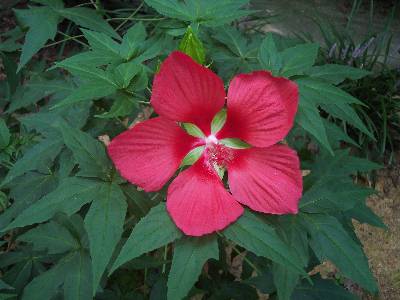
Propagating Scarlet Hibiscus: Seeds and Cuttings
A gardener asked how to propagate Hibiscus coccineus (scarlet hibiscus). The expert detailed two methods: seeds and softwood cuttings. Seeds require scarification (sanding) and 90-day cold stratification at 40°F, then 70
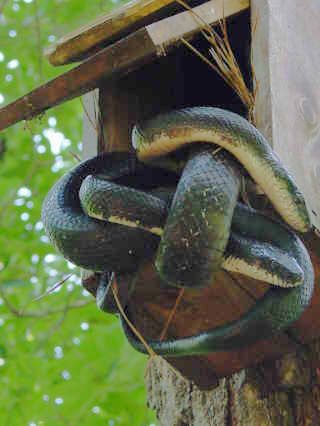
Black Rat Snake Mating in Bluebird House
A homeowner found two black rat snakes intertwined in a bluebird house for a day. The expert confirmed they were mating—common in early summer. Black rat snakes (Pantherophis obsoletus) are harmless, beneficial predators
Finding Diverse African Violet Varieties
A gardener sought local or online retailers offering multiple African violet varieties with different foliage types. The expert recommended joining the African Violet Society of America, whose magazine lists numerous spe
Blackbirds Defecating in Pool: Deterrent Strategies
Homeowners struggled with blackbirds dropping feces in their swimming pool. The expert found the situation fascinating and directed them to resources on keeping birds away from pools and the science of bird droppings. No
Timing Rye Cover Crop Incorporation for Vegetable Beds
A gardener planted annual rye as a green manure in raised beds and asked when to till it under for nitrogen benefit, with planting set for late April. The expert advised: mow two weeks before planting, then till in one w
Organic Lawn Fertilizers: Protein-Based Feeds for Warm-Season Grasses
A reader asked about organic lawn programs using alfalfa or corn meal as protein-based fertilizers. The expert noted these can work if you have a cheap source and the right grass. Cool-season fescue struggles because pro
Pre-Emergent Herbicide Options for Vegetable Gardens
A gardener wanted to prevent weeds in a vegetable garden before tilling, listing tomatoes, okra, peppers, melons, squash, beans, strawberries, and blackberries. The expert recommended trifluralin (sold as Preen n Green),
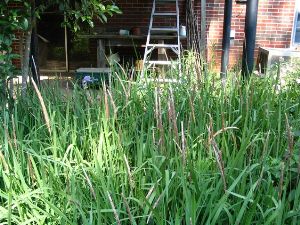
Japanese Bloodgrass (Imperata cylindrica ‘Red Baron’): Invasive Reversion Nightmare
The ornamental ‘Red Baron’ occasionally reverts to green, becoming aggressively invasive via deep rhizomes. Eradication protocol: Spray entire bed with glyphosate. Wait 6 weeks; spot-spray survivors. Do not replant unti
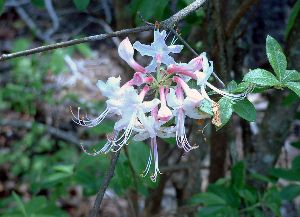
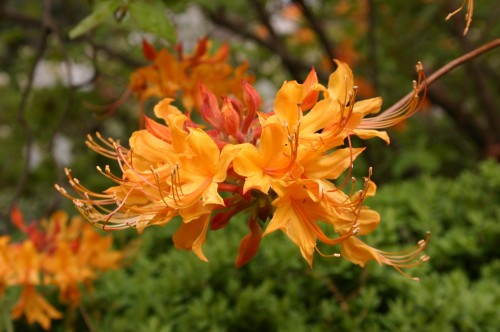
Native Azaleas: Better Than Honeysuckle in the Woodland
Those honeysuckle-like blooms in the woods are likely native azaleas (plumleaf, flame, sweet azalea). They thrive under tall trees in organic soil. Prune lightly after bloom if gangly; otherwise leave alone and enjoy.
Copyright © www.100flowers.win Botanic Garden All Rights Reserved