

Steep Slope Erosion: Call a Landscape Architect
Plants alone rarely solve severe erosion on steep slopes. A certified landscape architect can design a combined hardscape/planting solution. Many garden centers have architects on staff; expect $100–150/hr. Request a pha

Tomato Blossom-Set Spray vs. Hand Pollination
Blossom-set sprays contain a hormone that forces fruit without pollination (parthenocarpy). Useful in cool climates, but fruit may be misshapen. In Georgia, tomatoes self-pollinate via vibration and air movement—bees are
'Windsor' Sweet Cherry: Bacterial Canker and Wrong Climate
A young Windsor dark sweet cherry shows a dead branch and amber gum on the trunk—classic bacterial canker. But the bigger issue: sweet cherries struggle in the Southeast. Summer humidity and winter temperature swings pre
Pine Tree Survival After Lightning Strike
A 70-foot pine took a direct strike, blowing bark off in a 1–2 inch spiral to the ground. Survival is 50/50. Hidden internal damage from exploding sap may be worse than the visible strip. Water deeply once weekly through
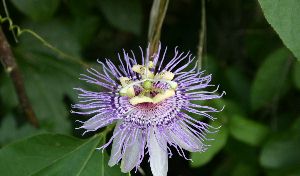
Maypop Passion Vine: Edible Fruit, Butterfly Host
The wild vine with globe-shaped fruit used as ammo in childhood games is maypop, Passiflora incarnata. The sweet, seedy fruit is edible. It self-sows readily and can become a manageable weed. Foliage feeds zebra longwing
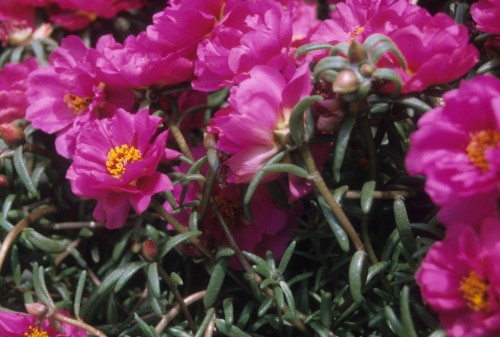
Salt-Tolerant Plants for Beach Landscaping
Yaupon holly, cabbage palm, daylily, purpleheart, and bermudagrass tolerate salt spray and soil. Portulaca also thrives. Talk to neighbors—their established plants are the best proof of what works locally. portulaca is
Controlling Crabapple Suckers with Growth Regulator
Sugar Tyme crabapples produce persistent trunk and root suckers. Cutting alone leads to regrowth. For longer control, spray the fresh cut with the plant growth regulator ethephon (sold as Sucker Stopper, etc.), which sup
Boxwood for Topiaries: 'Green Mountain' in Large Containers
Green Mountain boxwood naturally forms a nice cone shape for topiary. Use a container at least 24 inches across to provide adequate root space and stability.
Crabapple Lifespan and Extending It
A 35-year-old crabapple is declining. No fixed lifespan exists—trees succumb when accumulated stresses exceed capacity. Dogwoods often last ~30 years; oaks far longer. To maximize longevity: keep roots cool and moist wit
Protecting Young Trees from Beavers
Beavers felled a 6-foot weeping willow near a river. The only reliable protection is wrapping trunks 3–4 feet high with two layers of chicken wire. Do this for every valued tree.
Chitalpa Tree Mildew: Spray Early, Not Late
A chitalpa (catalpa × chilopsis hybrid) drops pale leaves mid-summer after blooming. Powdery mildew is the likely culprit, but fungicide applied after leaf drop is too late—the infection starts in spring. Spray with Immu
Tulips Can Be Perennial in Georgia—With the Right Conditions
A gardener reports tulips returning for five years in a bulb bed under a river birch with light shade and year-round leaf mulch. Theresa Schrum clarifies: the radio statement was that tulips arent reliably perennial in G
Weigela Blooms Once in Spring, Not All Season
Despite marketing claims, weigela typically blooms only once—in spring. Reblooming varieties exist but are unreliable in many climates. Expect a single spring show and plan companion plants for later color.
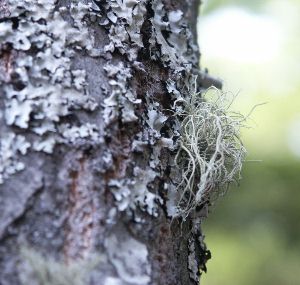
Lichens on Azaleas: Harmless Indicators, Not Killers
Gray, flaky lichens on azalea trunks worry gardeners, but theyre harmless. A lichen is a symbiosis of algae (food producer) and fungus (protection/moisture). They colonize when a plants canopy thins, letting light reach
Butterfly Rose (Rosa chinensis 'Mutabilis'): The Color-Changing China Rose
The China Rose that blooms all summer and shifts color is actually the butterfly rose, Rosa chinensis Mutabilis. Its single flowers open yellow, turn pink, then deepen to crimson—often all three shades appear at once. It
Piedmont Azalea Along Stream Banks
A 10–15 foot deciduous tree along a stream blooming with fragrant pink honeysuckle-like clusters as dogwoods flower, then leafing out, matches the Piedmont azalea (Rhododendron canescens). Native azaleas are tree-like, l
Algae on Bare Soil in Shady Lawn Areas
Thinning bermudagrass under increasing shade left bare, poorly drained soil where a black crust formed—algae. When dry it resembles a plastic sheet. The fix is grading to improve drainage and amending with soil condition
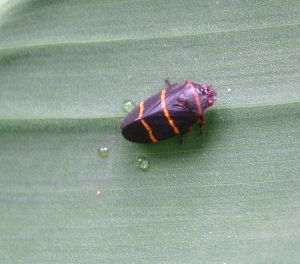
Two-Lined Spittlebug Adults: Identification and Control
Half-inch, chocolate-brown bugs with two slim orange stripes across the back are adult two-lined spittlebugs. In spring their nymphs produce telltale frothy spittle masses at plant bases. Adults feed on hollies and other
Getting Climbing Roses to Bloom Low on the Fence
Queen Elizabeth climbing roses produced bare canes to the fence top with foliage and flowers only at the tips. This leggy habit is normal after a few years. To encourage lower growth, train young canes horizontally along
Identifying Piedmont Azalea: A Deciduous Native Shrub
A woody shrub with light-pink, honeysuckle-like flower clusters that loses its leaves in winter matches the native Piedmont azalea (Rhododendron canescens). Unlike evergreen Asian azaleas, native species are deciduous an
Copyright © www.100flowers.win Botanic Garden All Rights Reserved