

Removing Bahiagrass From Centipedegrass Lawns
Imazaquin (Image®) is labeled for post-emergent bahiagrass control in centipedegrass. Follow label rates and timing; centipedegrass tolerance is good but not absolute—test a small area first.

Japanese Beetle Grub Control: Timing Halofenozide Applications
Halofenozide (Mach 2, Grub Stop) accelerates molting in young grubs. It’s only effective on first- or second-instar larvae—apply mid-June to mid-July, right after egg hatch. Spring or fall applications miss the vulnerabl
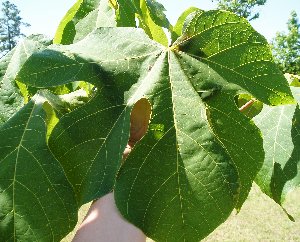
Chinese Parasol Tree (Firmiana simplex): Fast-Growing Shade
Huge, overlapping leaves cast dense shade; yellow-green July panicles add interest. Grows 6 ft/year when young, so limbs may be weak. Seed pods used in dried arrangements. Fun novelty—“always have a place to stay dry whe
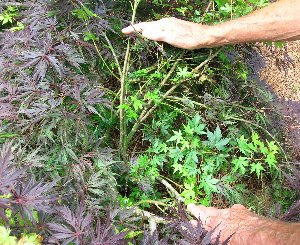
Japanese Maple “Sport”: Green Shoot on Purple Cultivar
A green-leaved branch on a purple Japanese maple is usually a sport—a genetic reversion to the parent cultivar (often ‘George L. Taber’). If the shoot originates below the graft union, it’s rootstock and should be remove
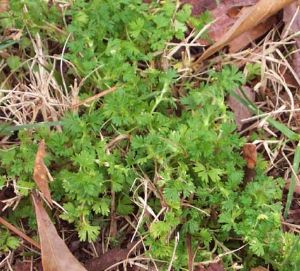
Spurweed (Lawn Burweed) Control: Timing Is Everything
Spurweed (Soliva pterosperma) germinates in fall, grows silently through winter, and produces painful burs by Easter. Two effective windows: September: Apply broadleaf pre-emergent. Early March: Spot-spray young rosette
Venus Flytrap Etiquette: Don’t Poke the Traps
Each trap can snap shut 5–6 times without prey before it slows and switches to photosynthesis-only mode. Repeated false triggers waste the plant’s energy. Also, never feed hamburger—traps digest insects, not vertebrate p
Teaching Middle-School Botany: Make It a Game, Not a Chore
Twelve-year-olds engage when plant science feels like play: “Who Wants to Be a Millionaire” with plant trivia. “Survivor” raised-bed contest: chameleon plant vs. mint vs. horsetail rush. Weirdest unidentified leaf compe
Why Mosquito Repellents Don’t Work on Fire Ants
Mosquitoes hunt by detecting CO₂ and skin odors; repellents (DEET, citronella) block those receptors. Fire ants don’t seek blood—they defend the colony. When you disturb a mound, workers swarm offensively; no olfactory t
Peach Freeze Protection: Critical Temperatures by Bloom Stage
Auburn University data for 90% crop loss: First swell: 18 °F Calyx green: 21 °F Calyx red: 23 °F Pink: 25 °F Early bloom: 26 °F Late bloom: 27 °F Post bloom: 28 °F At 26 °F (early bloom), expect severe damage. Overhea
Blueberry Freeze Damage: Bud-Stage Temperature Thresholds
Damage depends on bud development stage and minimum temperature. Key thresholds (90% kill): Swollen flower buds: 21 °F Individual flowers distinguishable: 25 °F Corollas expanded but closed: 28 °F Fully open flowers: 31
Pine Bark Mulch and Termites: Keep It 12 Inches From the Foundation
Bark chips don’t strongly attract termites, but they can bridge the chemically treated soil barrier around your foundation if piled against the house. Maintain a 12-inch mulch-free zone along the foundation; pull existin
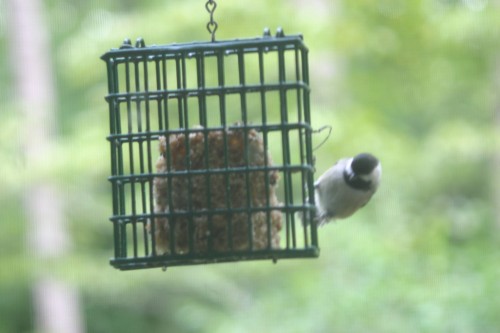
Hot Pepper Birdseed: A Squirrel Deterrent That Works
Cornell research confirms cayenne-laced sunflower seed sharply reduces squirrel feeding while birds—insensitive to capsaicin—feed freely. Practical Tips Buy ready-made hot-pepper suet or pepper oil/powder additives. Mi
Finding Dwarf Japanese Maples Locally
No specific vendors were listed in the original answer. Check independent nurseries in the Atlanta area—especially those specializing in Japanese maples—or contact the Georgia Green Industry Association for current retai
Ginger Lily Winter Dormancy: It’s Not Dead, Just Sleeping
Ginger lily (Curcuma and Hedychium spp.) dies to the ground each winter in Atlanta—this is normal dormancy. A pine-straw mulch helps in severe cold. Foliage returns in April; fragrant flowers follow in summer. Divide rhi
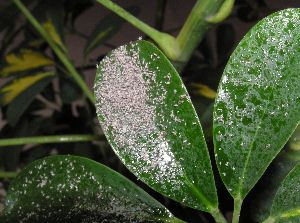
Aphid Outbreak on Schefflera: Sticky Leaves, Flying Adults
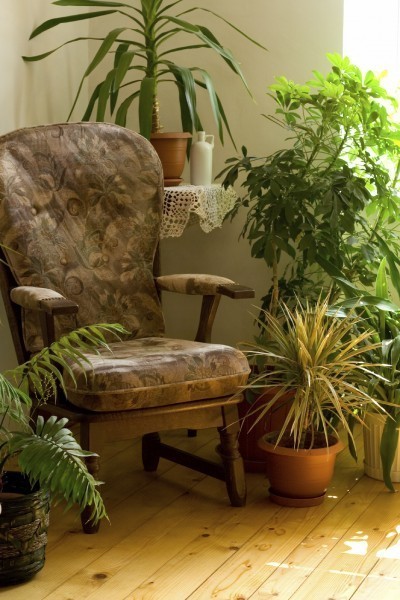
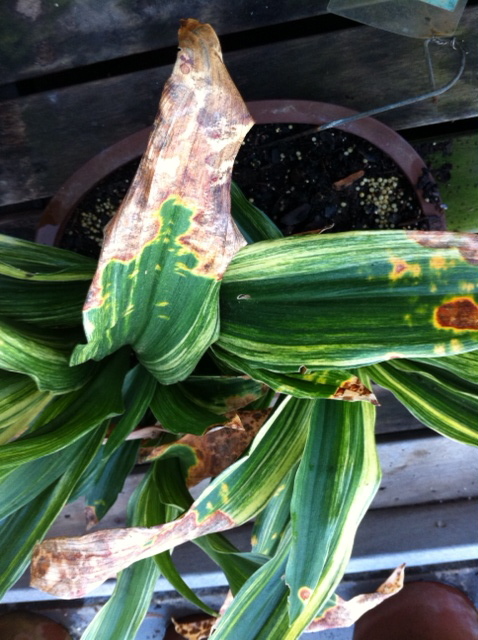
Sticky honeydew on leaves and tiny white shed skins indicate a heavy aphid infestation. Winged adults dispersing to windowsills confirm the population has exploded. Control Spray thoroughly with insecticidal soap (week
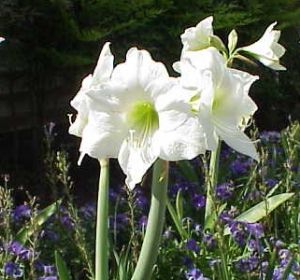
Amaryllis After Bloom: Garden Planting Beats Pot Culture
Keeping amaryllis in a pot indoors rarely yields repeat blooms. For reliable flowering, plant the bulb in a sunny, well-drained bed with the top quarter (“neck”) exposed. It will naturalize and bloom each May. Forcing H
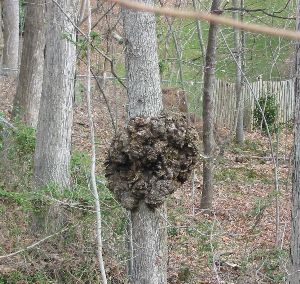
Crown Gall on Oak: Bacterial Tumor with a Biotech Legacy
The large, woody swelling at the base of an oak is crown gall, caused by Agrobacterium tumefaciens. The bacterium transfers a snippet of its DNA into the tree, triggering uncontrolled cell growth—essentially plant cancer
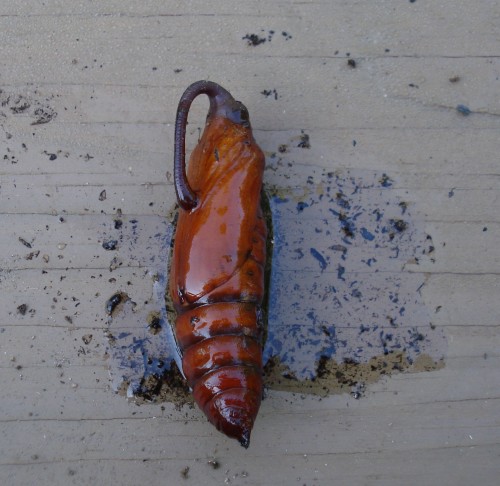
Hummingbird Moth Pupa: What to Do With That Garden “Cocoon”
The brown, spindle-shaped case found in soil is the pupa of a sphinx moth—likely the hummingbird moth (hawkmoth), a day-flying pollinator that hovers at flowers like a tiny hummingbird. To watch emergence, bury the pupa
Finding a Water Dowser (Water Witch) in North Georgia
Two local dowsers who locate well sites: Jim Helbert – Cumming, GA – 770-689-9824 Berkley Ruiz – Winder, GA – 770-867-3959 Dowsing is not scientifically validated, but many landowners report success. Verify references
How to Determine the Dollar Value of a Landscape Tree
Certified arborists use the International Society of Arboriculture’s trademarked formula, which factors species, size, condition, and location. While a homeowner can estimate, only an ISA-certified arborist’s appraisal c
Copyright © www.100flowers.win Botanic Garden All Rights Reserved