


Protecting Birdhouses from Snakes with a Metal Cone
Snakes climbing 4x4 posts to raid birdhouses is a common tragedy. While a smooth metal pole is the best mount, you can retrofit existing wooden posts. Fashion a conical baffle from sheet metal, about 18 inches wide at th

Growing Freesia laxa in Georgia: Container Strategy
Freesia laxa is not winter-hardy in Georgia. The best approach is to sow the seeds in a container in April. Enjoy the foliage and flowers through the warm months, then bring the pot indoors after the first frost kills th
Storing Canna Lily Rhizomes Over Winter
Never store canna rhizomes in the plastic bags they arrived in; they will rot from trapped moisture. Instead, remove them and place the rhizomes in a cardboard box filled with crumpled newspaper. Store the box in a cool,
Overwintering Carrots in a Window Box
Carrots are exceptionally cold-hardy, but growing them in a shallow window box on a deck adds risk. Containers freeze faster and deeper than ground soil. In a garden bed or large pot, carrots usually survive winter well
Storing Hyacinth Bean Seeds for Spring Planting
Once hyacinth bean pods turn brown and stiff, harvest them and let them dry indoors for another week. This ensures the seeds inside are fully mature. Then, gently crush the pods to release the black seeds. Store the seed
When to Remove Frost Protection Fabric
Floating row cover, the white translucent fabric used for frost protection, allows sunlight and rain through while trapping soil warmth. In northern climates, its left on for months. In the South, its best to remove it o
Identifying and Treating Euonymus Scale
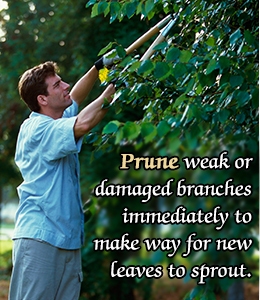
Those tiny white dots covering your variegated euonymus are euonymus scale, a sap-sucking insect. Heavy infestations are notoriously difficult to control. The most effective approach starts with pruning away the majority
Choosing Supplemental Lighting for a Hobby Greenhouse
Adding a lighting system to a hobby greenhouse is a smart investment for starting seeds early and saving money. The ideal setup is a 48-inch fixture holding four T8 fluorescent bulbs. T8 bulbs are more efficient and brig
Recovering a Grape Vine After Deer Damage
If a deer has chewed your grape vine in half, dont panic. Grape vines are resilient and will regrow vigorously from just below the injury or from the root system. To train the new growth, run a string from your arbor dow
Why Japanese Maple Leaves Stay Brown and Attached
It can be puzzling when Japanese maples hold onto brown, dead leaves well into winter. This phenomenon, known as marcescence, occurs in several tree species, including some crapemyrtles and young American beeches. The ex
Managing Brown Miscanthus Grass in Winter
The tall, feathery grass by your steps is likely miscanthus, commonly called maiden grass. While it provides lovely winter interest in open landscapes, it can look untidy near an entryway. Since ornamental grasses transp
Where Did the Cardinals Go? Understanding Feeder Absence
If cardinals have vanished from your feeders since October, youre not alone. Many bird enthusiasts report the same phenomenon. A likely cause is a predator, such as a hawk or owl, taking up residence nearby, which makes
Why Azalea Leaves Turn Golden Yellow in Early Cold
When an early cold snap hits, its common to see azalea leaves turn a striking golden yellow. This is perfectly normal behavior for these shrubs. The yellowing leaves are the older foliage produced during the favorable co
Watering a Newly Planted Japanese Maple Through Winter
After leaf drop, a Japanese maple needs little water—about 10 gallons every two weeks if no rain. The real test comes next spring: water 10 gal/week when leaves emerge, 15 gal/week in 80s, 20 gal/week above 90°F. Adjust
Pruning 'Acoma' Crapemyrtle: Less Is More
Acoma is a dwarf white crapemyrtle (~10 ft). It naturally develops a nice tree form. No heavy pruning needed—just fertilize with controlled-release fertilizer in April. Let it grow; it will fill in beautifully over the n
Overwintering Pride of Barbados in a Pot
Pride of Barbados (Caesalpinia pulcherrima) is tropical. Keep it above 45°F—wheel it in/out of the garage on sunny days, or use 150W equivalent CFL lights a foot away. If leaves drop, keep soil barely moist and protect f
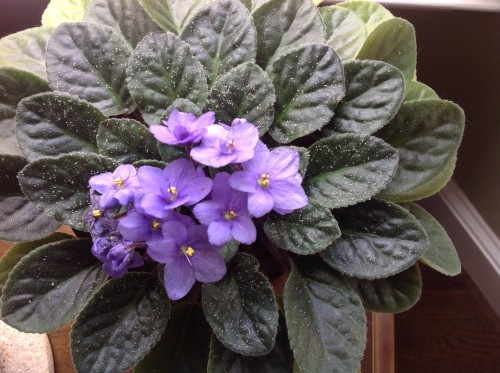
Cyclamen and Spider Mites on African Violets
White specks on African violet leaves are shed mite skins. Damage appears later as populations grow. Fuzzy leaves hinder oil/soap sprays. Try neem oil cautiously, but mites are notoriously hard to eradicate on violets. I
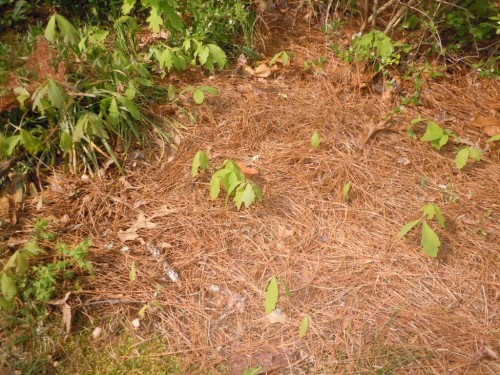
Mast Years: Why Hickory Nut Crops Boom and Bust
Heavy hickory nut crops (mast) are irregular and not strictly weather-driven. High mast years concentrate wildlife; low mast years force animals to roam. Theres no practical way to remove the nuts—just walk carefully unt
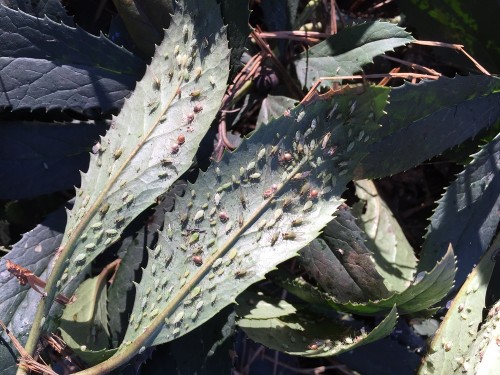
Hellebore Aphids: Targeted Control Under Leaves
Hellebores host a specialized aphid, Macrosiphum hellebori, which hides under leaves. Standard insecticides work, but spray must reach the undersides. Check plants in late winter; treat promptly to prevent distortion of
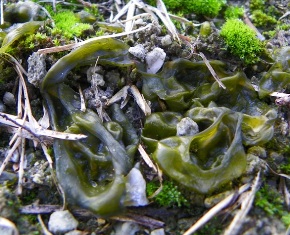
Nostoc: The "Planetary Snot" on Damp Gravel
Dark green, jelly-like mats on wet gravel are Nostoc commune—a cyanobacterium that rehydrates rapidly. It thrives where water lingers. Chemical control is temporary; the real fix is improving drainage to eliminate the co
Copyright © www.100flowers.win Botanic Garden All Rights Reserved