Rugosa Roses: Tough, Fragrant, Once-Blooming
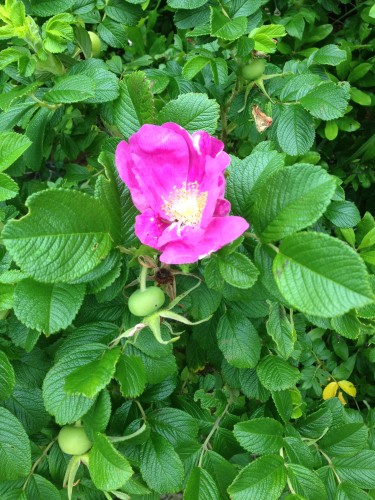
The beach roses you admired in Maine are likely rugosa roses (Rosa rugosa), known for corrugated leaves, intense fragrance, and colorful hips. They thrive in northern Georgia, resist disease, but bloom only once annually

Ringnecked Snake: A Harmless Garden Helper
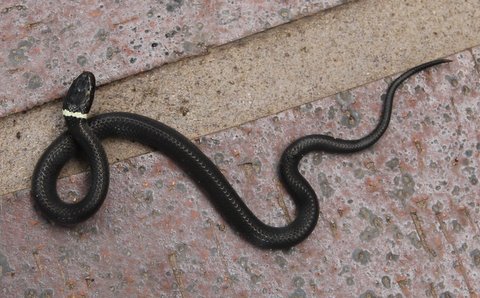
The small snake with a distinct neck ring is a ringnecked snake—completely harmless and beneficial, eating slugs and crickets. Its nocturnal, so you may not see it again. No removal needed.
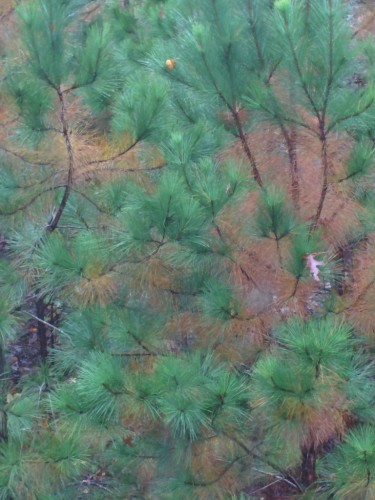
Pine Needle Drop in Fall: Normal Seasonal Shedding
Pines are semi-evergreen; individual needles live 2–4 years. Older, shaded needles turn brown and drop in fall, sometimes in large numbers. This is normal. If an entire branch browns from tip to base, that signals a prob
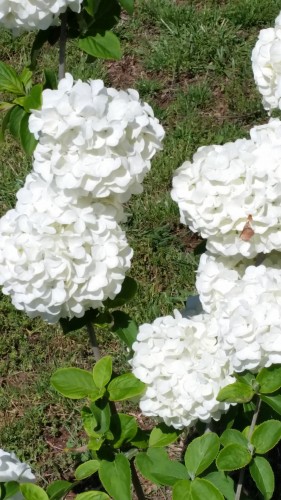
Snowball Viburnum's Surprise Lacecap Flowers
Snowball viburnum (Viburnum macrocephalum) can produce two flower forms. The spring show is sterile, ball-shaped clusters. A second bloom in fall may display a lacecap form—sterile florets around a center of fertile ones

Cryptomeria with Two Trunks: Reduce the Smaller One
Co-dominant trunks leaning outward will eventually split. Instead of removing the smaller trunk entirely, cut its top back as high as you can reach with loppers. This slows its growth and reduces the risk of splitting. T
Growing Chia in Georgia: Challenging but Possible in South
Chia (Salvia hispanica) needs a very long season and short days to flower and set seed. Only far-south Georgia gardeners might succeed. Even then, harvesting the tiny seeds is laborious. University of Kentucky researcher
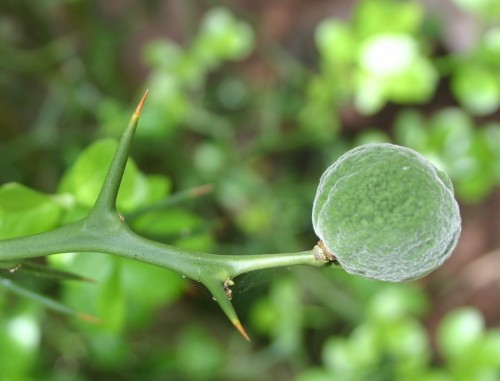
The "Hall Tree" Tradition: Trifoliate Orange or Hawthorn?
The prickly bush used for gumdrop-decorated hall trees is likely trifoliate orange (Poncirus trifoliata), whose thorns are wired into Styrofoam forms. However, some families use native hawthorn (Crataegus spp.) for the s
Pecan Leaves as Garden Mulch: Proceed With Caution
Pecans, like walnuts, produce juglone, a compound that can inhibit some plants. Juglone levels vary by variety, weather, and season. Composting degrades juglone, but its hard to know when its safe. To be cautious, avoid
White Oak Losing Bark: Likely Internal Rot
Bark loss with white chalky residue on a white oak suggests water trapped between co-dominant trunks has caused internal rot. This is a structural hazard. Consult a certified arborist immediately—do not park under the tr
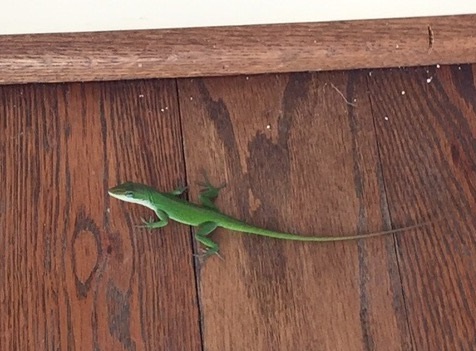
Anoles Indoors: Lost, Not Living There
Green and brown anoles inside your house are accidental visitors, likely drawn by insects near doorways or hitching a ride on plants. Theyre harmless. Gently usher them back outside with a broom. Seal gaps around doors a
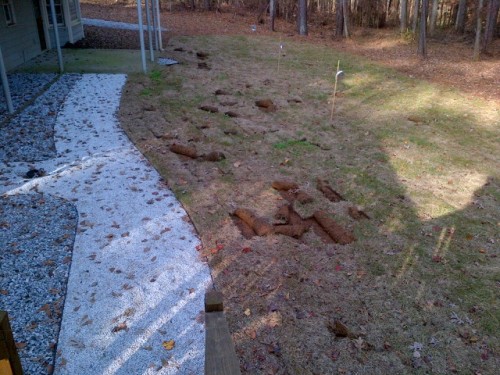
Raccoons, Not Deer, Are Rolling Up Your New Sod
Neatly peeled-back sod pieces are classic raccoon damage—theyre hunting earthworms and grubs. Deer dont do this. Two options: (1) Remove the raccoon (call Animal Control or a pro; raccoons carry rabies risk). (2) Secure
Tangerines on a Lime Tree? Grafting Explains the Switch
Three possibilities: (1) The lime tree was grafted onto tangerine rootstock, which eventually sprouted and took over. (2) The tree is a cold-hardy satsuma or citrangequat, which can resemble both. (3) Its a trifoliate or
Planting Shrubs in Winter: Yes, If the Ground Isn't Frozen
Winter planting of shrubs and trees is fine as long as the soil is workable. Root growth will be slower than in fall, so loosen a wide, saucer-shaped area, untangle roots, water thoroughly, and mulch. Check soil moisture
Indoor Mosquito in Winter: A Late Straggler
A mosquito in the house at 49°F likely hatched outdoors during a warm spell, then entered dormancy. It may have come in through an open door or on a holiday plant. Its not a sign of an active breeding population indoors.
Why White Nandina Seedlings Revert to Red Berries
White-berried nandina is a genetic sport of the red-berried species. Root sprouts from a white-berried plant would stay white, but seedlings from its berries usually revert to the ancestral red form. If you want white be
Fertilizing Bermuda Grass With Dogs in the Yard
Bermuda grass needs nutrients to recover from dog traffic. Water-soluble fertilizer (e.g., Miracle-Gro) applied three times a year starting in late April, then watered in, poses minimal risk to pets once the granules dis
Sprouting, Soft Potatoes Won't Make Good Seed
Royal Majesty potatoes that are soft and sprouting in storage are past their prime for seed use. Theyll likely rot before planting time (still two months away). Order fresh seed potatoes from your online source for a rel
Spider Egg Sac Near a Window: Relocate It
If the egg sac is within reach outside your bedroom window, move it to a nearby shrub. The spider is likely harmless—venomous species dont typically lay eggs in exposed spots. However, hundreds of tiny spiderlings could
Portable Greenhouse Placement: Maximize Sunlight
More sun is better for a portable greenhouse. You can always add shade cloth to reduce heat, but supplementing low light with artificial lighting is expensive. Place it where it gets maximum winter sun. For more tips, vi
Cold-Hardy Indian Hawthorn Varieties for Georgia
If cold killed your Indian hawthorns, replant with tougher cultivars. Blueberry Muffin, Snow, Eskimo, Georgia Charm, Georgia Petite, and Eleanor Tabor are noted for cold hardiness. For disease resistance, see the list at
Copyright © www.100flowers.win Botanic Garden All Rights Reserved