

Choosing Papershell Pecans for the Southeast
Papershell describes improved pecans with thin shells and disease resistance, unlike hard native seedlings. Stuart was an early papershell. For home orchards, prioritize scab resistance: Amling, Sumner, Elliott, McMillan

Diagnosing Basil Leaf Damage: Slugs, Snails, or Caterpillars
Holes in basil leaves could be slugs, snails, or caterpillars. Test with a beer trap: a saucer of beer overnight. If slugs/snails drown, repeat nightly. If not, its caterpillars—spray leaves with organic Bacillus thuring
Controlling Parrotfeather in a Pond Without Harming Fish
Parrotfeather is a rooted, submerged perennial. Control options include regular mechanical raking or approved aquatic herbicides. Identify the weed type first (algae, floating, submerged, emergent), as treatments differ.
Community Garden Management Resources
UGAs Becky Griffin blogs expert community gardening advice at bit.ly/UGAcommunity. Find timely tips and a comprehensive guide to starting and managing a community garden with raised beds.
Viburnum 'Erie' Failed to Bloom: Winter Bud Kill
Erie viburnum blooms on old wood. If it didnt flower in May, the buds were likely killed by winter cold. Do not prune now—wait until after spring bloom (if any) next year to shape it.
Crocosmia: Saving Seeds and Dividing Clumps
Plant crocosmia seeds now to follow their natural cycle; spring seedlings may bloom next summer. Divide congested clumps in winter when dormant.
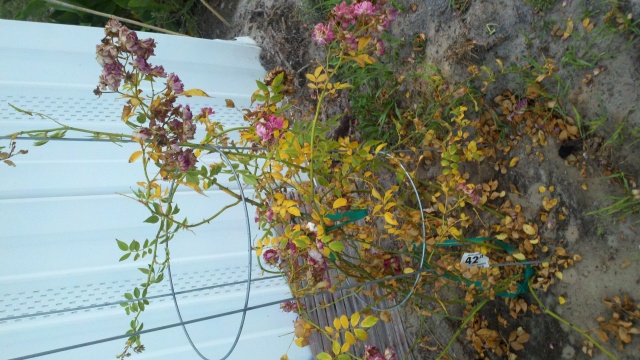
Rose Bud Damage: Caterpillars and Sticky Sap
Holes in rose buds with brown sticky ooze indicate caterpillars (likely budworms) boring inside. The sap is the plants response. Control with organic sprays containing Bacillus thuringiensis (Bt) or spinosad, applied to
Loropetalum Losing Purple Color: Variety Matters
Loropetalum cultivars vary in color retention. Blush and Burgundy often turn olive-green by September. Purple Diamond and Ever Red hold color year-round. Plum Delight should stay burgundy; if yours is green, it may have
Tree Cavity from Broken Branch: Don't Fill It
Filling a trunk cavity with concrete, tar, or foam is outdated and harmful. These materials crack, trap water, and accelerate decay. The tree will compartmentalize the wound internally. The cavity may indicate structural
Establishing Centipede Sod on Well Water (5 GPM)
With 5 GPM well water, an irrigation system may be impractical. Hand-watering diligently during establishment can work, especially if you till in 1 inch of organic matter first—it acts like a sponge, holding moisture. On
Winter Care for Butterfly Weed (Asclepias)
Cut Asclepias stems back to 12 inches once they turn brown in fall. Tie a red ribbon on a stem to mark the location—plants emerge late in spring (often June), and the marker prevents accidental digging.
Soil Amendment at Planting: When It Helps (and When It Doesn't)
Research shows amending the planting hole doesnt improve growth for trees and large shrubs—roots should expand into native soil quickly. Amended holes encourage roots to stay put, increasing drought risk. Instead, loosen
Storing Seeds Long-Term: Temperature and Humidity Control
Seed longevity requires constant temperature and low humidity. If seeds were bone-dry, moving from freezer to a cool closet is safe. If any moisture remains, temperature shifts can cause condensation inside the seed, kil
Young Persimmon Trees: Patience for Fruit
Three-year-old persimmons are still establishing roots and canopy, not focusing on fruit. In May, check flowers: males are slender and urn-shaped; females are fat and squatty. You need both sexes for pollination and frui
Winter Protection for Azaleas: Use Frost Cloth, Not Burlap
Healthy azaleas withstand normal winter cold without cover. Only protect if temps drop into the low teens or during windy, bitter cold. Burlap is too heavy when wet; use lightweight spun-bonded polyester frost cloth inst
Squirrels Licking Mildew: Odd but Harmless Behavior
Squirrels gnaw and lick strange things—aluminum wire, brick mortar, plastic buckets, gas cans. The squiggly lines on your porch walls are likely from squirrels licking mildew or mineral deposits. Its bizarre but not dama
Pest Control Starts with Identification
On former hayfield property, diverse pests may attack trees. The first step is always identification. For example, fall webworms look alarming but cause minimal damage. Use your phone to photograph pests and damage, then
Finding a Flower Coffee Table Book: Cherokee Garden Library
The Atlanta History Center houses the Cherokee Garden Library, a superb resource for horticultural books. Contact director Staci Catron at atlantahistorycenter.com; she may recognize the book you saw on the Today Show sh
Smartphone Apps for Wildflower Identification
While national wildflower apps vary, UGAs Mickey Cummings developed an excellent reference for North Georgia native plants. More information and access at bit.ly/nativesapp.
Leyland Cypress: Gallon vs. 5-Gallon Growth Comparison
Growth speed depends on root health, not pot size. A root-bound 5-gallon plant may stall for years, while a healthy gallon plant with a vigorous root system can overtake it. Inspect roots before buying: they should fill
Copyright © www.100flowers.win Botanic Garden All Rights Reserved