


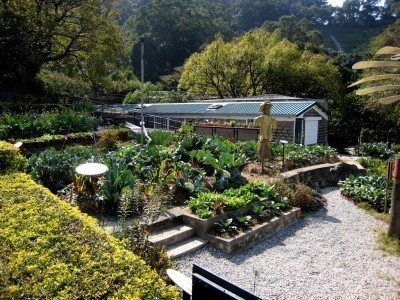
Magazine headlines urge us to "eat organic," farmers' markets proudly display "100% organic" signs—but what does organic gardening actually mean, and how can it benefit you? Let's break down the fundamentals of growing an organic garden.
Organic gardening means cultivating flowers, herbs, and vegetables without any synthetic chemical fertilizers, herbicides, or pesticides. This philosophy extends to the soil itself and every aspect of plant care throughout the growing cycle.
At its core, an organic garden relies exclusively on natural pest control methods and organic soil fertility practices. The underlying belief is straightforward: food grown this way is safer and healthier for human consumption.
Organic growers manage pests through companion planting and beneficial insects—ladybugs, for instance, are voracious aphid predators. Strategic plant combinations naturally repel pests; planting hot peppers near beans and peas can deter bean beetles thanks to capsaicin, while marigolds in potato beds help discourage potato bugs.
Soil health is paramount. Most organic gardeners build fertility through compost—decomposed organic matter like eggshells, coffee grounds, animal manure, and yard waste. Throughout the year, these materials are collected in a compost bin and turned regularly to accelerate decomposition. After a year or so, this "black gold" is ready to enrich garden beds.
Early each season, compost is worked into the soil, providing a slow-release nutrient source that fosters strong, resilient plants—the best natural defense against pests and disease.
Currently, most U.S. organic production comes from small farms and homesteads rather than large-scale operations, though demand grows annually. While certification programs exist, there's no single federal standard guaranteeing that supermarket "organic" labels mean completely pesticide-free.
For truly organic produce, your best sources are local farmers' markets and health food stores—where you can ask growers directly about their practices. A genuine organic gardener will gladly explain their methods.
Ultimately, the only way to be absolutely certain your food is organic is to grow it yourself. Start small: choose a modest plot, begin a compost bin, and immerse yourself in learning. By next season, you could be harvesting your own organic bounty.
Organic Gardening Methods: Water Conservation, Native Planting & Season Extension
Advanced Organic Gardening: Wildlife Integration and Precision Techniques
Organic Garden Pest Management: Accept, Prevent, Act Fast
Phenology in the Garden: Nature's Calendar for Planting Success
Rockery Garden Construction: Build a Natural Alpine Feature
Essential Organic Gardening Supplies: Tools, Fertilizers & Pest Solutions
What's Growing in Urban Gardening: National Garden Festival Event
Organic Gardening Made Practical: Clever Hacks for Measuring, Weed Control, and Plant Health
Successful Organic Gardening: From Soil Prep to Harvest
Vermicomposting: Building a Worm Farm for Rich Organic Fertilizer
Start Your Own Organic Vegetable Garden: Benefits and Basics
How to Start an Organic Garden: Resources, Pest Plans, and First Steps
Guerrilla Gardening: Turning Neglected Spaces Into Green Oases
Copyright © www.100flowers.win Botanic Garden All Rights Reserved