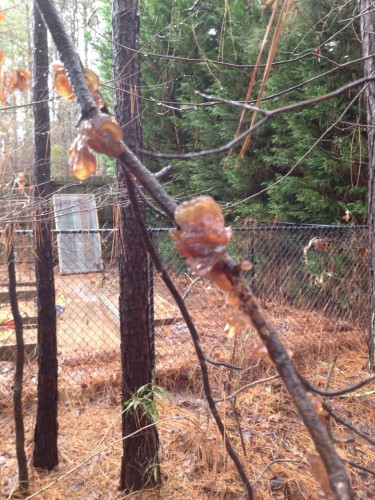
Jelly Fungus on Dead Twigs: Harmless Decomposer
A gelatinous, ear-like fungus on a dead twig is likely Exidia recisa, a jelly fungus. It only decomposes dead wood and poses no threat to the living tree. Simply prune out the dead branch; no treatment needed.


Crapemyrtle Bark Scale: What We Know
Crapemyrtle bark scale is a relatively new pest in the Southeast. Information is still being gathered; key resources include Arkansas and Louisiana extension reports. Watch for white, waxy scales on trunks and branches,
Tomato Leaf Miner: A New Pest Alert
As of early 2015, information on the tomato leaf miner was scarce—just warnings that its difficult to manage. Gardeners should monitor for serpentine leaf mines and consult local extension for updates. Early detection an
Rooting Philodendron Cuttings: Water to Soil Transition
A philodendron leaf rooted in water develops brittle water roots. To transition, plant it in a 4-inch pot of soggy potting mix, stabilize with a bamboo stake, and keep warm and bright. New soil-adapted roots will form in
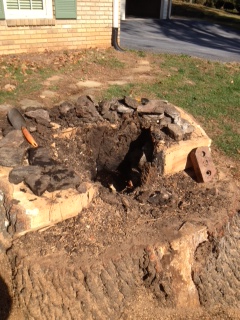
Mystery Rocks in a Hollow Oak: Spring, Time, and Tree Growth
Cutting down a large red oak revealed rocks in its hollow center—and fresh water. How did they get there? The leading theory: a spring once bubbled at that spot. A century ago, someone ringed it with rocks to keep the wa
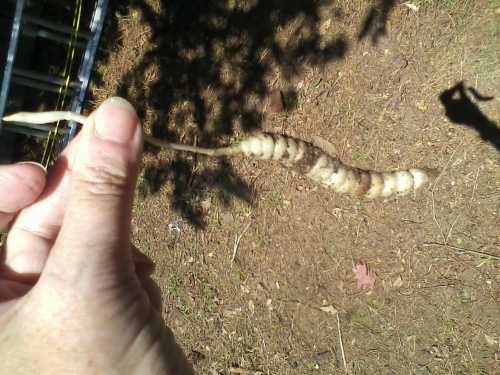
Florida Betony: Invasive Weed with an Edible Root
Florida betony (rattlesnake weed) spreads aggressively via white, segmented tubers that taste like water chestnuts. If you dont want to eat them, control is tough: either remove all desirable plants and spot-spray glypho
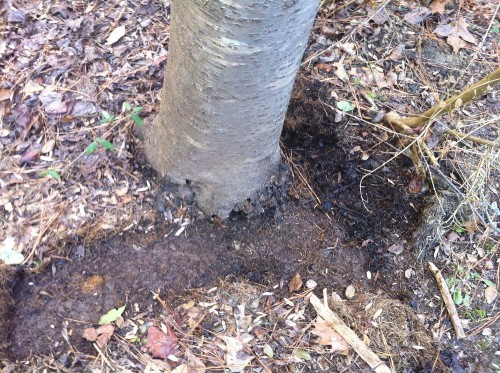
Vole Damage at the Base of a Cherry Tree
Sudden mid-summer wilting and death of a cherry tree often signals vole girdling at the base. Look for small droppings under mulch. Voles chew bark all around the trunk, cutting off nutrient flow. Control voles with hard
Best Hand Creams for Gardeners' Dry Skin
Top picks from gardeners: Udder Butter (originally for cow udders), Bag Balm, Anti-Monkey Butt Cream, Crabtree & Evelyns Gardeners Hand Therapy, and Gold Bond Ultimate Healing Concentrated Therapy. Look for thick, concen
Pre-Emergent Herbicide Timing for Coastal Georgia
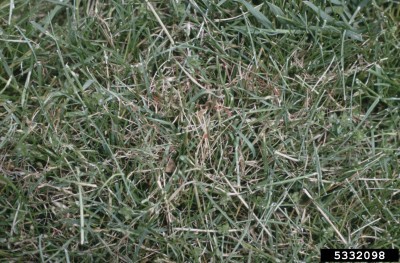
Crabgrass germinates when soil at ½-inch depth reaches 52°F. On the Georgia coast, soils hover near 50°F all winter; a sunny week can trigger germination. Apply pre-emergent in early February, then repeat in early May fo
Two Approaches to Mole Control: Trap or Tolerate
Mole control fits your personality. Type A? Set harpoon traps and commit to daily checks and repositioning for weeks—no guarantee of success. Type C? Simply walk the lawn pressing tunnels flat. You wont kill the moles, b
'Yellow Delicious' Apple: Better With a Pollinator
Yellow Delicious sets some fruit alone but yields more with Stayman or Rome Beauty nearby. A crabapple also works, blooming long to pollinate many apples.
Why Climbing Spikes Harm Pine Trees
Professional arborists avoid climbing spikes (spurs) on live trees, especially pines. Spike wounds exude sap that attracts pine borers, leading to secondary infestations. Spikes should only be used on trees slated for re
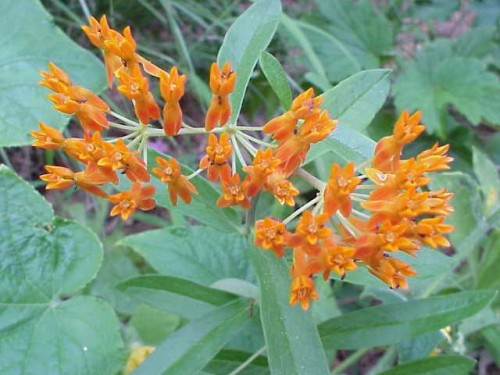
Attracting Monarchs: Milkweed Sources and Tips
Get milkweed seeds from Monarchs Across Georgia, local nurseries (Baker Environmental, Randys Perennials), or Southern Exposure Seed Exchange. Monarch Watch and Xerces Society offer growing guides. Favorite species: butt
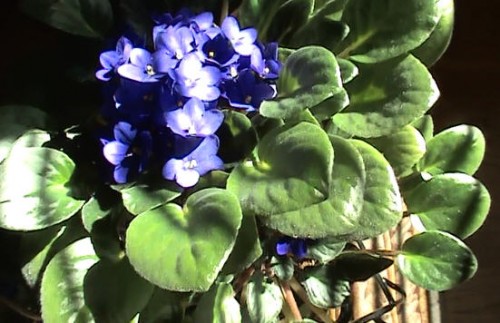
African Violet Offset Division: High-Humidity Rooting
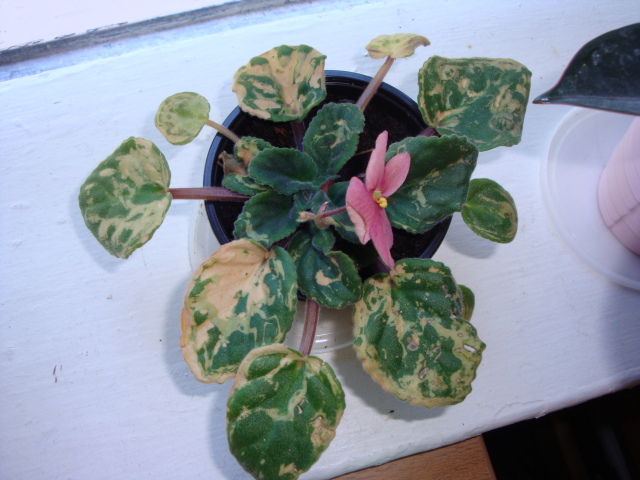
Cut the baby with a 2-inch leafless stem, plant in seed-starting mix, cover with inverted zip-top bag for humidity. In 6 weeks, new growth signals roots; remove bag.
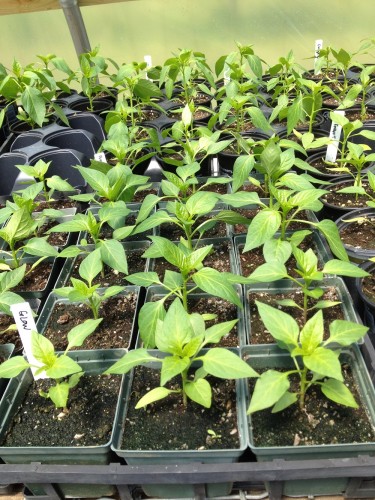
Vegetable Seed Starting Timeline for North Georgia
Start broccoli, cabbage, cauliflower, lettuce 10 weeks before last frost (late April). Tomato, eggplant, pepper: 7 weeks. Cucumber, squash, watermelon: 4 weeks. Count back from your frost date.
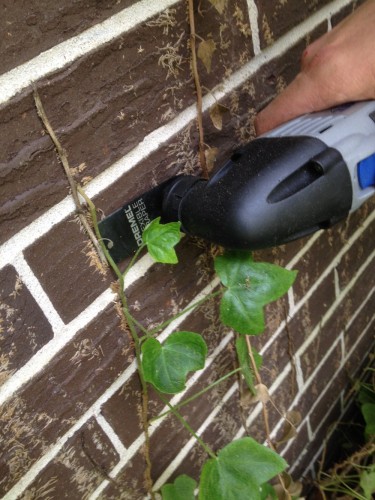
Removing Ivy From Synthetic Stucco: Oscillating Multi-Tool
An oscillating multi-tool with a flat blade easily severs ivy holdfasts from stucco. Scrape remnants, then paint. A steel brush damages the finish.
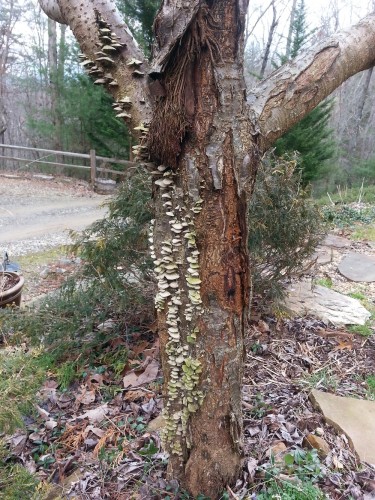
Yoshino Cherry With Bark Loss: Too Far Gone
The cherry has lost too much bark to survive. Remove and replace with redbud, Japanese maple, crabapple, kousa dogwood, or another flowering cherry.
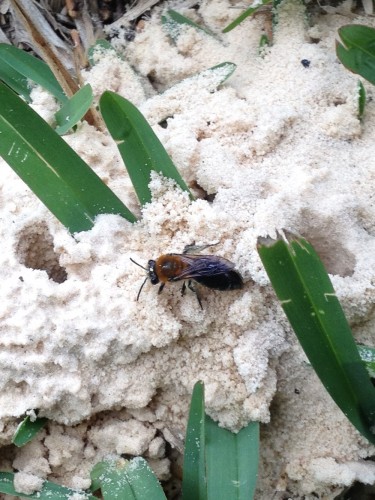
Digger Bees in Sandy Soil: Gentle Pollinators
Digger bees nest in bare, sandy ground. Theyre non-aggressive (sting only if crushed), valuable pollinators. Improve turf density or mulch to deter them long-term.
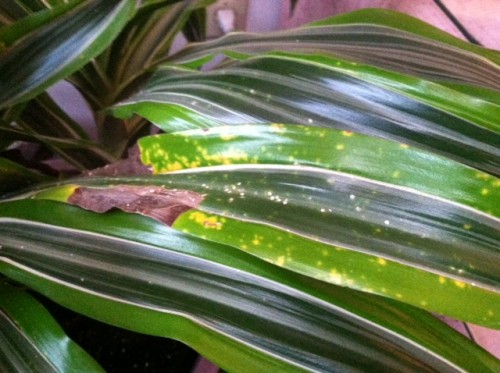
Scale Insects on Dracaena: Suffocate With Neem Oil
Tiny white dots on Dracaena leaves are scale insects (cousins of mealybugs). Their waxy coating repels sprays. Coat leaves top and bottom with neem oil to suffocate them.
Squirrel Tracks in Snow: Front and Hind Feet Parallel
Tracks with front and hind feet parallel are squirrel. Rabbit tracks have front feet parallel but hind feet in-line.
Copyright © www.100flowers.win Botanic Garden All Rights Reserved