

Transplanting an Asparagus Bed to a New Home
Late fall is an excellent time to move asparagus. Cut back the ferns at the base. Soak the bed daily for two days to soften the soil. Use a spading fork to lift crowns with as much root mass as possible. Replant in the n

Growing Kudzu Indoors in Nevada: A Cautionary Tale
Kudzu is notoriously invasive in the South and unlikely to survive a Nevada winter outdoors. If youre determined to grow it as a houseplant, seeds can be collected in November in Georgia or purchased online (e.g., eBay).
Fescue Seeding Failure: Too Much Seed Causes Pythium Blight
Using 80 lbs of fescue seed over 4,000 sq ft (20 lbs/1000 sq ft) is far above the recommended 5-6 lbs/1000 sq ft. Excessive density causes seedlings to damp off rapidly from Pythium blight, turning brown and dying—leavin
Crapemyrtle: Tree or Shrub? Choosing the Right Form
Crapemyrtles range from dwarf shrubs to towering trees. Pokomoke stays around 3 feet—definitely a shrub. Natchez reaches 30 feet—clearly a tree. The classification depends on the cultivars natural habit. If neighbors are
Preventing Pine Bark Beetle Attacks Through Watering
The best defense against pine bark beetles is keeping trees well-watered during summer drought. Healthy pines repel borers by flooding their tunnels with sap. When soil is dry, the tree cannot produce this defensive sap.
Overwintering a Meyer Lemon: Light Requirements
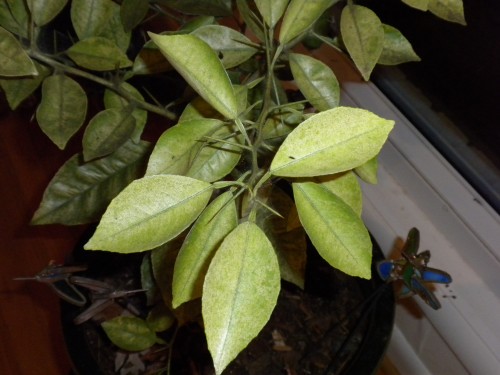
Meyer lemons crave maximum light. A greenhouse is ideal. An unheated basement, even with a large window, provides insufficient light (typically under 1,000 foot-candles vs. 10,000+ outdoors). A practical indoor solution:
Lightening Heavy Pots with Recycled Bottles
To reduce the weight of large planters, fill the bottom 12 inches with capped, empty plastic soda bottles (1- or 2-liter). Plant roots rarely penetrate deeper than a foot. Add potting soil on top, shaking to settle it ar
Mowing Zoysia: Rotary vs. Reel Mowers
Zoysia can be mowed with a rotary riding mower provided the blade is sharp. A dull blade shreds the grass tips, causing a temporary brownish cast and increasing water needs. Ask your maintenance company about their blade
Vinca vs. Grass Under Dogwoods: Impact on Tree Health
While turfgrass competes heavily with dogwoods for water and nutrients, vinca (periwinkle) is far less detrimental due to its shallow root system. It doesnt rob the tree the way a dense lawn does. However, dogwoods in th
Tree Wound Sealants: Why You Should Skip Them
No sealant—tar, paint, or spray—is needed or recommended after limb removal. Trees heal by compartmentalizing wounds internally (walling off decay). Sealants trap moisture, hinder this natural process, and can harbor pes
Stratifying Tree Seeds (Acorns, Chestnuts, Fringe Tree) for Spring
Seeds from woody plants like acorns, chestnuts, and fringe tree require stratification—a period of cold, moist conditions—to break dormancy. Mix two cups of sand with water until moist but not soggy. Place a few seeds in
Topdressing Zoysia to Manage Thatch
Topdressing with a thin layer of quality topsoil helps decompose thatch naturally by introducing beneficial fungi. The optimal time is after the lawn is fully green in spring, usually early May. Apply a quarter-inch laye
Pineapple Lily Recovery After Accidental Leaf Removal
If you accidentally cut back the leaves of newly planted pineapple lilies (Eucomis), dont worry. They will reliably re-emerge next spring, typically in late April. A standout cultivar is Sparkling Burgundy, featuring pur
Crapemyrtle Cut to the Ground: Will It Return?
If a tree service cut your large crapemyrtle flush to the ground, it was likely a miscommunication. The good news: unless herbicide was applied to the stump, it will regrow aggressively from the roots next spring. Youll
Winter Shrub Pruning: Timing and Exceptions
Winter is a fine time to prune most shrubs. Plants are entering deep dormancy, so cutting now wont harm them. However, avoid pruning spring-blooming shrubs (like azaleas, forsythia) and mophead hydrangeas, as youll remov
Managing Crapemyrtle Suckers After Severe Pruning
When crapemyrtles are cut back hard—often called crape murder—they respond with vigorous suckers at the base. This is a natural survival reaction. There is no effective stump treatment to stop these sprouts if you contin
Why 'Emerald' Zoysia Sod Can Look Different
Not all sod sold as Emerald zoysia is genetically identical. UGA turf specialist Clint Waltz analyzed 16 samples sold under this name and found significant DNA variability and differences in spring green-up. Sod farms ma
Can You Straighten a Bent Tree Trunk with Guy Wires?
Straightening mature, bent trees with guy wires is rarely successful. The trunks internal structure—heartwood with established compression and tension zones—has adapted to the lean. Forcing it upright requires the tree t
Growing Sycamore Trees from Seed Balls
Sycamore seed balls hang on the tree through winter, breaking apart in early spring to release fluffy seeds. Collect the balls now and let them dry in a cool, dry place. Once fully dry, crush them to separate the true se
Hydrangea Pruning Guide: Know Your Type
Pruning hydrangeas depends entirely on the species. Mophead types (Hydrangea macrophylla) generally bloom on old wood and should be pruned right after flowering in mid-summer, before next years buds form. However, rebloo
Copyright © www.100flowers.win Botanic Garden All Rights Reserved