

Horticultural Oil: Buy, Don't Brew
Horticultural oil is a highly refined petroleum product that smothers insects without damaging plants. Cooking oils or motor oils wont work and can harm foliage. Purchase a commercial product from a nursery—now is a grea

Using Glyphosate (Roundup) in Cool Weather
Glyphosate works only when target weeds are actively photosynthesizing—generally when air temperatures exceed 50°F. In cooler conditions, you may see some effect, but results can take two weeks. For best outcome, spray o
Earthstar Mushrooms in the Lawn: Harmless Decomposers
The dark brown bowl of dust in your dormant Bermuda lawn is an earthstar fungus (Scleroderma geaster). It feeds on decaying organic matter like dead roots or thatch, not living grass. It appears only when specific temper
Preparing Sandy Soil for Sod in Southeast Georgia
Beach-sand soil drains too quickly for sod to thrive. Incorporate a soil conditioner (composted organic matter) by tilling it in before laying sod. This acts like an underground reservoir, holding moisture and reducing w
Snakes in Compost Piles: Safety Tips
Snakes of all kinds may hibernate in compost, leaf, rock, or firewood piles. The bite risk is low. Use a pitchfork to turn the pile, keeping distance. To minimize encounters, turn compost only in warm months when snakes
Winter Pruning of Large Loropetalums
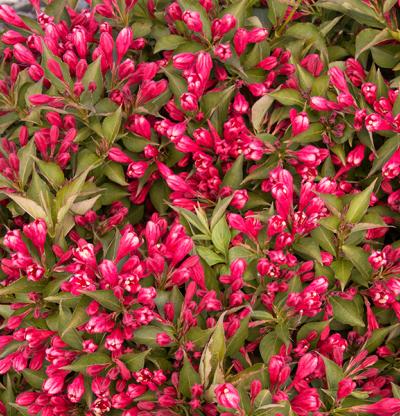
You can cut 10-foot loropetalums down to 3 feet in late winter, but youll remove the flower buds for spring bloom. From a plant-health perspective, late winter is the best time for heavy pruning. Decide whether you prior
Controlling Persistent Vetch in the Landscape
Vetch cant be eradicated permanently, but a three-pronged approach keeps it in check: (1) Apply a pre-emergent herbicide labeled for vetch in September. (2) Spot-spray new growth with a non-selective herbicide like glyph
Alumroot (Heuchera): A Colorful Companion for Autumn Fern
The plant you heard mentioned is heuchera, commonly called alumroot. Its foliage ranges from deep purple to golden caramel, and it sends up wispy pink or white flowers in spring. It thrives in the same semi-shade conditi
Managing Stink Bugs in the Vegetable Garden Without Harming Bees
Brown marmorated stink bugs pierce ripening vegetables and fruits, introducing rot. Theyre tough to control. Spinosad (e.g., Captain Jacks Dead Bug Brew) can help if applied early, before nymphs become adults. To protect
Gardening Under a Dense Oak: Shade-Tolerant Solutions
A mature oak casts deep shade that starves sun-loving grass and flowers. Instead of fighting it, embrace the shade. Mulch the area with pine straw, leaves, or wood chips, or plant shade-tolerant perennials such as autumn
Wild Onions vs. Wild Garlic: Edible but Check for Herbicides
The wild onions appearing in lawns are usually wild garlic (Allium vineale), which has round, hollow leaves. True wild onion (Allium canadense) has flat leaves. Both are edible, but verify no herbicides have been applied
Mid-Winter Allergy Symptoms: Look Beyond Pollen
Itchy, puffy eyes in mid-January are unlikely to be caused by outdoor pollen. The Atlanta Allergy Clinic reports virtually no pollen shedding in January and February. Trees and grasses—the usual suspects—dont release pol
What Are Huckleberries and Will They Grow in Georgia?
Huckleberry is a common name for several different plants. The true huckleberry (Gaylussacia baccata) thrives in the Northeast and Canada. Various Vaccinium species—lingonberry, sparkleberry, farkleberry, partridgeberry—
White "Roots" in Compost Are Beneficial Fungal Hyphae
Those fine, white, hair-like strands in your compost pile arent roots—theyre hyphae, the filamentous structures of beneficial fungi that break down organic matter. Their presence indicates active decomposition. Turning t
Rejuvenating Overgrown Muscadine Vines
Inherited a tangled muscadine vine? Heres how to retrain it for maximum production. In late winter, trace each long, whip-like cane back to its origin. Count the first two buds from the base and cut just beyond the secon
Safe Pressure Canning for Collards and Other Vegetables
Boiling collards on the stovetop before pressure canning does not reduce the required processing time. For safety, low-acid vegetables like collards must reach 240°F for 70 minutes in pint jars to destroy harmful bacteri
Using Grass Clippings as Mulch and Soil Builder
Piling Bermuda clippings and later using them as mulch topped with pine straw is a perfectly fine practice. Once the clippings turn brown, theyve lost most of their nutrient content, but they still break down into humus,
Overseeding Bare Spots in Centipedegrass
Yes, you can thicken centipede sod by overseeding with centipede seed. The optimal time is mid-May when the soil has warmed. Tifblair is a reliable variety. Aerate or lightly rake the bare areas, spread the seed, and app
Best Time to Transplant Established Hydrangeas
December through mid-March is the ideal window for moving mature hydrangeas. If the soil is workable, you can often lift them nearly bare-root. For large, old plants, reduce the canopy by about half before digging to les
Topping Leyland Cypress: What You Need to Know
A landscape architect suggested topping your large Leyland cypresses to create a tall hedge. While this practice is common in Europe and generally acceptable, theres a catch: youll need to climb a ladder every couple of
Copyright © www.100flowers.win Botanic Garden All Rights Reserved