


Tamarack, also known as American larch, hackmatack, eastern larch, or red larch, is a unique deciduous conifer native to the boreal forests of Canada and the northern United States. Its soft, blue-green needles turn brilliant gold in autumn before falling, revealing a stark, elegant silhouette against the winter sky.

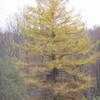
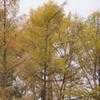
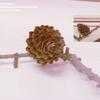
Tamarack is a medium-sized tree (40–80 feet tall) with a straight trunk and narrow, pyramidal crown. Needles are borne in dense clusters on short spur shoots, giving a tufted appearance. Small, upright cones (½–¾ inch) mature from bright red to brown. The bark is thin, scaly, and reddish-brown.
It dominates wet, acidic soils of bogs, swamps, and muskegs, often growing in pure stands. It is extremely cold-hardy (USDA zones 2–5) but intolerant of shade, heat, and drought. Tamarack is a pioneer species after fire or disturbance. Its wood is dense, rot-resistant, and historically used for snowshoes, boat knees, and fence posts.
Best suited for large, moist, acidic sites in cold climates. Its stunning fall color and winter texture make it a striking specimen for naturalistic plantings, wetland restorations, or boreal-themed gardens. Not recommended for urban or suburban heat islands.
Eastern White Pine (Pinus strobus): Majestic Native Conifer of the Northeast
American Yellowwood (Cladrastis kentukea): Fragrant White Wisteria-Like Blooms
Red Mulberry (Morus rubra): Native Sweet Fruit for Wildlife and People
Canadian Hemlock (Tsuga canadensis): Graceful Shade-Tolerant Conifer
American Elm (Ulmus americana): Classic Shade Tree
American Chestnut: The Lost Giant of Eastern Forests
Chokecherry 'Canada Red' (Prunus virginiana 'Canada Red'): Purple Foliage Tree
American Sycamore (Platanus occidentalis)
Red Buckeye (Aesculus pavia): A Native Shrub with Showy Red Flower Spikes
American Plum (Prunus americana): Wild Fruit for Wildlife and Humans
Shumard Oak: The Stately Southern Red Oak for Landscapes
Mexican Shrubby Spurge 'Red Spurge': Fiery Foliage Tropical Accent
American Elm 'Princeton' (Ulmus americana 'Princeton'): Disease-Resistant Classic
Red Maple 'Red Sunset' (Acer rubrum): The Gold Standard for Fall Color
Copyright © www.100flowers.win Botanic Garden All Rights Reserved