


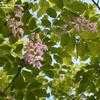
American Yellowwood, also called Kentucky Yellowwood, is a medium-sized, native flowering tree of rare beauty. Cladrastis kentukea (syn. C. lutea, family Papilionaceae/Fabaceae) graces the limestone cliffs and slopes of the upper South with cascading chains of fragrant white flowers reminiscent of wisteria.
In late spring (May-June), after leaves emerge, the tree produces 10-15 inch long, pendulous panicles of white, pea-like flowers with a yellow blotch. The fragrance is sweet and pervasive. The tree often flowers heavily in alternate years. The leaves are pinnately compound, 8-12 inches long, with 7-11 leaflets, bright green turning clear yellow to gold in fall—among the best fall color of any native tree. The smooth, gray bark is beech-like and attractive in winter.
| Family: | Papilionaceae (pa-pil-ee-uh-NAY-see-ee) |
| Genus: | Cladrastis (kluh-DRAS-tis) |
| Species: | lutea (LOO-tee-uh) |
| Synonym: | Cladrastis kentukea |
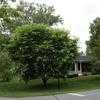
Yellowwood grows 30-50 feet tall with a broad, rounded crown and low branching habit. It's a superb specimen tree for residential landscapes, parks, and campuses. It prefers full sun, well-drained, slightly alkaline soil (tolerates limestone), and is moderately drought-tolerant once established. It's hardy to zone 4.
The wood is yellow (hence the name), hard, and close-grained—historically used for gunstocks and specialty items. The tree is relatively pest-free but can suffer from verticillium wilt and ice storm damage due to brittle wood. It's a legume but does not fix nitrogen effectively. Its deep taproot makes transplanting difficult; plant container-grown specimens. A native alternative to invasive Black Locust with similar flowers.
American Halo Hosta: A Large Variegated Cultivar from 1999
Hosta 'American Masterpiece' – Patriotic Excellence from 1999
Daylily 'American Revolution' – Historic Bicolor from 1972
American Indian Daylily: A 1972 Wild Tribute
Kentucky Coffee Tree: Bold Architecture & Historical Intrigue
American Elm 'Princeton' (Ulmus americana 'Princeton'): Disease-Resistant Classic
Daylily 'All American Magic' (Hemerocallis 'All American Magic') – Cultivar Profile
Daylily 'All American Gold' (Hemerocallis 'All American Gold') – Cultivar Profile
Daylily 'All American Chief' (Hemerocallis 'All American Chief') – Cultivar Profile
Tropical Hibiscus 'American Legend' – 2006 Black Hybrid
Variegated Century Plant (Agave americana 'Marginata'): Bold Striped Succulent
American Basswood (Tilia americana): Fragrant Flowers for Bees
Copyright © www.100flowers.win Botanic Garden All Rights Reserved