


The red mangrove is an iconic tree of tropical and subtropical coastlines, instantly recognizable by its tangled, arching prop roots that seem to walk on water. As a keystone species of mangrove ecosystems, it stabilizes shorelines, filters pollutants, and provides critical nursery habitat for countless marine organisms.
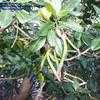
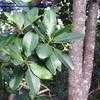
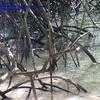
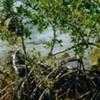
Red mangroves thrive in saline, oxygen-poor soils where few other trees survive. Their prop roots not only provide structural support in soft sediments but also contain lenticels (pores) that allow gas exchange for the submerged root system. Viviparous seeds germinate while still attached to the parent tree, producing elongated, spear-shaped propagules that can float for months before rooting in suitable substrate.
Mangrove forests built by red mangroves act as natural buffers against storm surges, erosion, and tsunamis. Their dense root networks trap sediments and filter runoff, improving water quality for adjacent coral reefs and seagrass beds. The canopy provides nesting sites for birds, while the submerged roots shelter juvenile fish, crustaceans, and mollusks.
Native to the Atlantic coasts of the Americas from Florida to Brazil, and the Pacific coast from Mexico to Peru, red mangroves also occur in West Africa and the Indo-Pacific. Despite their ecological value, mangroves face threats from coastal development, aquaculture, and climate change. Conservation and restoration efforts are underway worldwide to protect these vital ecosystems.
Daylily 'Red Rum': A 1974 Pittard Hybrid
Daylily 'Red Ruby': A 1993 Carpenter Hybrid
Hawaiian Red Hibiscus (Hibiscus clayi): A Rare Endemic Species
Boerhavia coccinea: Scarlet Spiderling – Prostrate Annual with Red Flowers
Red Selaginella 'Sanguinea' (Selaginella erythropus): Red-Tinted Spikemoss
Red Spiderling (Boerhavia diffusa): Spreading Tropical Weed
Red Rubin Basil (Ocimum basilicum 'Red Rubin'): Deep Purple Foliage for Ornamental and Culinary Use
Red Buckeye (Aesculus pavia): A Native Shrub with Showy Red Flower Spikes
Eastern Red Cedar (Juniperus virginiana): The Pioneer Evergreen of Eastern North America
Shumard Oak: The Stately Southern Red Oak for Landscapes
Mexican Shrubby Spurge 'Red Spurge': Fiery Foliage Tropical Accent
Lantana 'Dallas Red' (Lantana camara 'Dallas Red'): Vibrant Color for Hot Gardens
Brazilian Red Cloak (Megaskepasma erythrochlamys): The Dramatic Red Spike
Amaryllis 'Red Lion' (Hippeastrum 'Red Lion'): Classic Holiday Giant
Copyright © www.100flowers.win Botanic Garden All Rights Reserved