


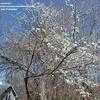
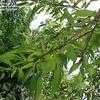
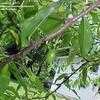
The American Plum, also known as Wild Plum or Goose Plum, is a native North American thicket-forming shrub or small tree that offers tremendous ecological value alongside edible fruits. This adaptable species (Prunus americana) ranges from the Rocky Mountains to the Atlantic coast, thriving in prairies, woodland edges, and disturbed sites.
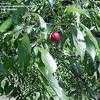
In early spring, before leaves emerge, American Plum bursts into bloom with fragrant white flowers that attract native bees and other pollinators. The flowers give way to 1-inch diameter fruits that ripen from yellow to deep red or purple in late summer. While tart when eaten fresh, these plums make excellent jellies, jams, and wines. The foliage turns attractive shades of yellow to red in autumn.
| Family: | Rosaceae (ro-ZAY-see-ee) |
| Genus: | Prunus (PROO-nus) |
| Species: | americana (a-mer-ih-KAY-na) |
American Plum forms dense thickets through root suckering, providing critical nesting cover and escape habitat for birds and small mammals. Over 100 species of wildlife consume the fruits, including foxes, raccoons, and numerous songbirds. The thorny branches offer additional protection.
In cultivation, it prefers full sun to partial shade and adapts to various soil types, including clay and sandy soils. It's an excellent choice for naturalized areas, wildlife plantings, erosion control, and edible landscaping. For fruit production, plant multiple genetically distinct individuals for cross-pollination. The tree is relatively short-lived (15-25 years) but readily regenerates from suckers.
Wild Bearded Iris (Iris germanica): The Ancestral Flag
American Halo Hosta: A Large Variegated Cultivar from 1999
Hosta 'American Masterpiece' – Patriotic Excellence from 1999
Daylily 'American Revolution' – Historic Bicolor from 1972
Purple Leaf Plum (Prunus cerasifera): Spring Blossoms, Purple Foliage All Season
Loquat 'Bradenton': The Subtropical Fruit Tree for Warm Gardens
American Elm 'Princeton' (Ulmus americana 'Princeton'): Disease-Resistant Classic
American Indian Daylily: A 1972 Wild Tribute
Daylily 'Wild Mustang' (Hemerocallis 'Wild Mustang') – Cultivar Profile
Wild Proso Millet (Panicum miliaceum): Ancient Grain and Weedy Annual
Canada Wild Rye (Elymus canadensis): Graceful Native with Nodding Seed Heads
Blue Wild Rye (Elymus glaucus): A Native Western Grass with Blue-Green Foliage
European Wild Ginger (Asarum europaeum): Glossy Evergreen Ground Cover
Wild Geranium (Geranium maculatum): Woodland Native with Pink Flowers
Copyright © www.100flowers.win Botanic Garden All Rights Reserved