


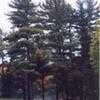
Eastern White Pine is the tallest conifer in eastern North America, a majestic native that once dominated primeval forests from Newfoundland to Georgia. Pinus strobus played a pivotal role in American history—its straight, tall trunks were prized for ship masts, leading to the "Broad Arrow" policy that marked the finest trees for the Royal Navy, a grievance fueling revolutionary sentiment.
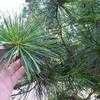
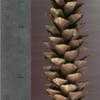
This pine is distinguished by its soft, flexible, bluish-green needles in bundles of five (the only 5-needle pine native to eastern North America), 3-5 inches long. The branches are horizontally tiered, creating a graceful, pyramidal form in youth that becomes more open and irregular with age. Mature trees reach 80-100 feet (historically 150+ feet) with a 20-40 foot spread. The cones are cylindrical, 4-8 inches long, resinous, and curved.
| Family: | Pinaceae (py-NAY-see-ee) |
| Genus: | Pinus (PY-nus) |
| Species: | strobus (STROH-bus) |
Eastern White Pine is a superb landscape tree for large properties, parks, and naturalized areas. It's fast-growing (2-3 feet/year), provides excellent screening, and its soft needles are pleasant near walkways. It prefers full sun to light shade, moist, well-drained, acidic soil, and cool, humid climates. It struggles with heat, drought, pollution, and salt.
Major threats include White Pine Blister Rust (requires currants/gooseberries as alternate hosts), White Pine Weevil (kills leaders, causing crooked trunks), and air pollution sensitivity. Resistant cultivars and proper siting help. For smaller spaces, consider dwarf cultivars like 'Nana', 'Blue Shag', or 'Pendula'. It's a keystone species supporting numerous birds, mammals, and insects.
Eastern White Pine Yellowing: Overwatering Fix
Hosta 'White Christmas': Krossa-Palmer-Ruh's Winter Celebration
Hosta 'White Feather' – Ethereal White Foliage for Specialized Gardens
Daylily 'White Perfection' (Hemerocallis 'White Perfection') – Cultivar Profile
Native White Rosemallow (Hibiscus arnottianus): Hawaiian Endemic
Australian Pine (Casuarina equisetifolia): Coastal Survivor with Invasive Tendencies
White Pine Blister Rust: Girdling Gall = Tree Doomed
Eastern Red Cedar (Juniperus virginiana): The Pioneer Evergreen of Eastern North America
Austrian Pine (Pinus nigra): Tough Evergreen for Challenging Sites
American Elm 'Princeton' (Ulmus americana 'Princeton'): Disease-Resistant Classic
Vancouveria hexandra: White Inside-Out Flower – Delicate White Flowers on Wiry Stems
Black Pepper (Piper nigrum): The King of Spices from Tropical Vines
Copyright © www.100flowers.win Botanic Garden All Rights Reserved