


| Family: | Fagaceae (fag-AY-see-ee) (Info) |
| Genus: | Quercus (KWER-kus) (Info) |
| Species: | shumardii (shoo-MARD-ee-eye) (Info) |
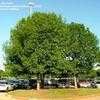
The Shumard Oak (Quercus shumardii) is a magnificent, large, deciduous red oak native to the bottomlands and moist uplands of the southeastern and south-central U.S. (Texas to Florida, north to Kansas and Indiana). It is widely regarded as **one of the best red oaks for landscape use** due to its relatively fast growth, strong wood, reliable red fall color, and adaptability to urban conditions.
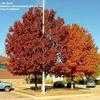
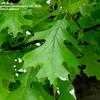
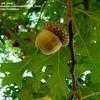
It grows 60–80+ feet tall with a broad, open, rounded crown and a straight, stout trunk. Bark is dark gray, deeply furrowed and ridged. Leaves are **6–8 inches long, deeply lobed (7–9 lobes) with bristle tips**, glossy dark green above, paler below—turning **brilliant scarlet to deep red in fall** (more reliable than many red oaks). Acorns are large (1–1.25 inches), striped, with a shallow, saucer-shaped cup—important wildlife food.
**Tolerates a wide range of soils**: moist, well-drained, clay, alkaline, and even periodically wet sites (bottomland adaptation). **Moderately drought-tolerant once established.** Resistant to oak wilt (a major plus in Texas). Strong wood resists storm damage. Long-lived (200+ years).
USDA Zones 5–9. Full sun. Transplant as a young container-grown tree (taproot). Excellent as a **shade tree, street tree (with space), park tree, and wildlife planting**. Superior to Pin Oak for alkaline soils and to Northern Red Oak for heat tolerance. A premier native shade tree for the South and lower Midwest.
Hosta 'Red October': Red Petioles and Late Season Color
Hemerocallis 'Red Volunteer' (Daylily)
Red Magic Daylily: A Classic 1950 Viette Cultivar
Red Ribbons Daylily: A 1964 Lenington Streamer
Eastern Red Cedar (Juniperus virginiana): The Pioneer Evergreen of Eastern North America
Mexican Shrubby Spurge 'Red Spurge': Fiery Foliage Tropical Accent
Copyright © www.100flowers.win Botanic Garden All Rights Reserved