


After mastering design basics (sketch existing yard, define use areas, identify borrowed views, plant in odd numbers, plan for year-round interest, flow bed edges), use these resources to execute affordably.
Prioritize high-visibility areas; mulch future beds with pine straw. Buy smaller plants (1-gallon vs. 3-gallon)—they catch up but look sparse for a couple years.
Identify existing plants. Visit garden centers on weekdays/rainy days for attention. Photograph admired landscapes—nursery staff can ID plants. Talk to neighbors with great yards.
Landscape Plants for Georgia, Georgia Extension Horticulture Publications, Florida Extension Basic Landscape Design.
Spruill Center for the Arts, Callanwolde Fine Arts Center, Atlanta Botanical Garden.
Consider hiring a designer for the plan only, then DIY installation.
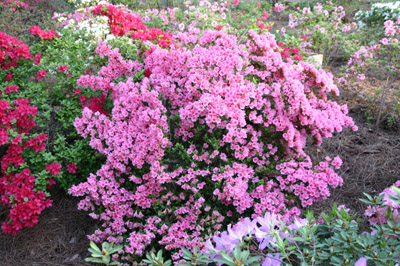
Landscaping is like driving—nerve-wracking at first, then second nature.
Garden Edging: The Defining Frame for Your Outdoor Space
How to Brew Nutrient-Rich Compost Tea for a Thriving Garden
Smart Plant Selection: Match Plants to Your Garden’s Conditions
Your Own Japanese Garden, Part 2: Plants, Water & Aged Beauty
Your Own Japanese Garden, Part 1: Structure, Stones & Stillness
Solar Garden Lighting: Eco-Friendly Options for Paths, Security, and Ambiance
Perennial Garden Design: Bloom Succession for Season-Long Color
Design Your Dream Rose Garden: Planning Tools and Inspiration
Grow Your Own Kitchen Garden: Fresh Produce Steps from Your Door
Smart Savings for Your Garden: DIY Maintenance Tips to Cut Costs
Landscape Planning: Design a Beautiful, Functional Yard
Designing a Charming Cottage Garden: Balance Beauty and Practicality
Copyright © www.100flowers.win Botanic Garden All Rights Reserved