


Sugar Maple is the aristocrat of eastern North American forests—the source of maple syrup, provider of legendary fall color, and a timber tree of exceptional value. Acer saccharum (family Sapindaceae) dominates the northern hardwood forests from Nova Scotia to Georgia, west to Minnesota and Missouri.
The leaves are the classic maple shape: 3-5 inches wide, 5 lobes (usually), deep green above, paler beneath, turning brilliant shades of yellow, orange, and red in fall—often all on the same tree. The bark is gray-brown, developing long, vertical furrows with age. In early spring, before leaves, the tree produces drooping clusters of yellow-green flowers. The samaras are horseshoe-shaped (U-shaped), maturing in fall. The tree grows 60-75 feet tall (to 100+ in prime sites) with a dense, rounded crown.
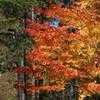
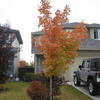
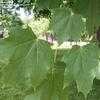
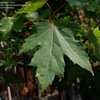
| Family: | Sapindaceae (sap-in-DAY-see-ee) |
| Genus: | Acer (AY-ser) |
| Species: | saccharum (SAK-er-um) |
Sugar Maple is the primary source of maple syrup—its sap has the highest sugar content (2-3%) of any maple. It takes 40 gallons of sap to make 1 gallon of syrup. The wood is hard, dense, close-grained, pale—prized for flooring, furniture, bowling alleys, butcher blocks, and musical instruments (especially violin backs).
In landscapes, it's a premier shade tree for large properties, parks, and streets (where salt-tolerant). It requires moist, well-drained, slightly acidic soil and full sun to part shade. It's sensitive to compaction, salt, and drought. Cultivars include 'Green Mountain' (heat-tolerant), 'Legacy' (drought-tolerant), 'Fall Fiesta' (early color), and 'Apollo' (narrow columnar). A national treasure for syrup, wood, and autumn splendor.
Japanese Maple 'Kinran': Golden-Veined Reticulated Foliage
Japanese Maple 'Japanese Sunrise': Coral Bark with Yellow-Green Summer Foliage
Japanese Maple 'Moonfire': Reliable Red Upright with Bronze Summer Tones
Japanese Maple 'Fjellheim': Dwarf Compact from Norway
Japanese Maple 'Kamagata': Dwarf Compact Introduced by Maplewood Nursery
Japanese Maple 'Hogyoku': Precious Jewel with Green Leaves, Orange Fall
Japanese Maple 'Ichigyoji': One Line of Characters with Green Foliage
Japanese Maple 'Ojishi': Large Lion with Crinkled Foliage
Japanese Maple 'Scolopendrifolium': Centipede Leaf with Narrow Lobes
Japanese Maple 'Kinshi': Golden Thread with Fine Golden Variegation
Japanese Maple 'Fascination': Intriguing Variegation
Japanese Maple 'Sazanami': Rippled Beauty
Copyright © www.100flowers.win Botanic Garden All Rights Reserved