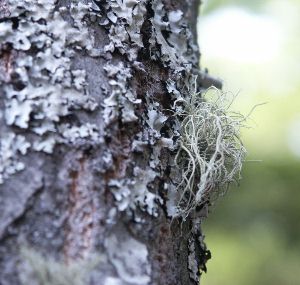
Lichens: Harmless Hitchhikers, Not Tree Killers
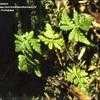
Every kid (and most adults) remembers being falsely blamed simply because they were standing nearby when an accident happened. Although accidents seem to happen more often when kids are present, its erroneous to assume t

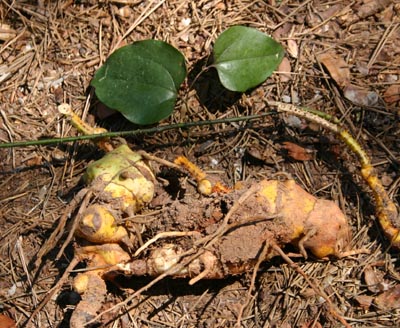
Taming the Thorny Smilax Vine: Identification and Effective Control Strategies
It has wicked thorns, it laughs at herbicides, and it always seems to come back no matter how much you pull it from your shrubs each spring. Nobody smiles when smilax vine appears. The Tenacious Perennial The pest is smi
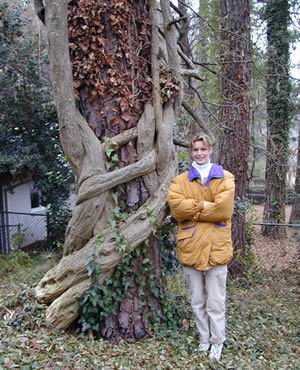
Controlling Invasive Wisteria: Chemical and Mechanical Management Strategies
Wisterias stunning blooms mask aggressive conquest behavior. Chinese wisteria (Wisteria chinensis) climbs arbors, then houses. Annual pruning creates tree-form specimens, but neglect sends vines hunting vertical surfaces
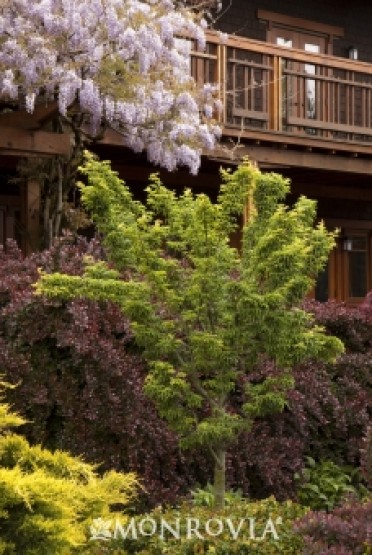
Georgia Gold Medal Plant Winners 1994–2016: Complete Archive
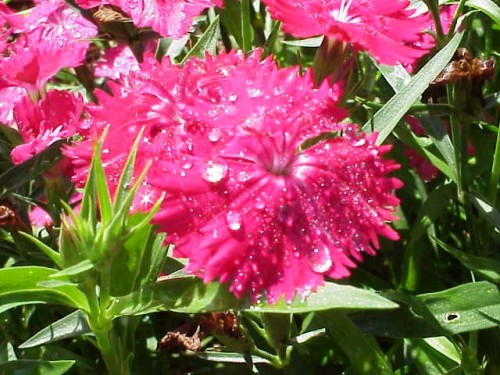
The Gold Medal Plant Committee (nurserymen, growers, retailers, landscapers, Extension agents, UGA faculty) promotes superior ornamental plants for Georgia. Georgia Gold Medal Plants Website Recent Winners 2016 Tree:
Plants That Move: Botanical Names Suggesting Motion and Action
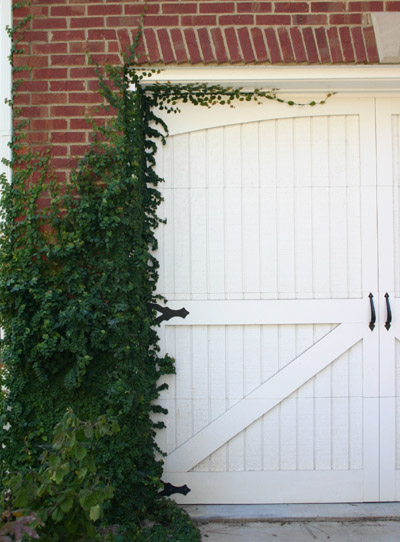
Inspired by a writers request, I crowdsourced plants with movement-evoking names—over dinner with Florida Extension colleagues and later from Facebook friends. Core List Quaking aspen, running bamboo, running cedar, cre
Shrubs for Wet and Damp Soil Conditions
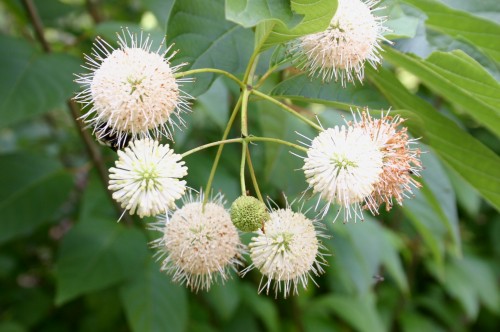
Critical Note: Only regionally native plants for beaches, coastal/savannah restoration. Garden damp areas: non-invasive non-natives acceptable. Stream/river/creek/lake edges: only regionally native plants. Recommended S

Planting Near Septic Drain Fields: Safe Choices and Root Barrier Solutions
Septic systems distribute wastewater through perforated pipes (leach/drain fields) buried 6+ inches deep. Tree and shrub roots seek this constant moisture/nutrient source, invading and clogging pipes—causing backups into
Fast-Growing Shade Trees for Georgia Landscapes
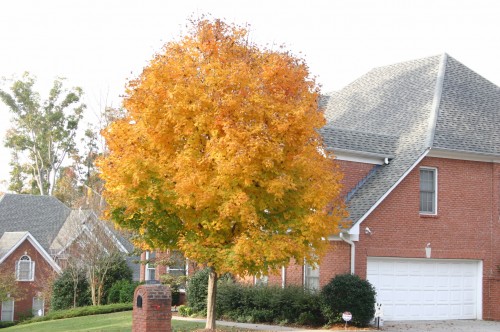
When you need shade quickly, tree selection matters. Georgia Extension offers two key resources: Landscape Plants for Georgia Native Shade Trees Fast-Growing Shade Trees (caution: includes invasive species) Sugar map
Groundcovers for Sunny Slopes with Foot Traffic
Finding groundcovers for a 200-foot-wide, 5-foot-deep sunny slope with foot traffic requires spreading, care-free plants. Recommended Groundcovers Dwarf abelia Forsythia Creeping raspberry Winter jasmine Asiatic jasmin
Tropical Plants for Poolside Landscaping: Big Leaves, Bold Color
Tropical plants create resort-like pool atmospheres. Seek large foliage, abundant flowers, or vivid color. Trees Big-leaf magnolia Cucumber magnolia Sweet-bay magnolia Shrubs Swamp hibiscus (mallow) Scarlet hibiscus
Animal-Named Plants for a Children's Sensory "Zoo Garden"
A reader requested plants with animal names for a childcare Zoo Garden engaging all five senses, including edible varieties. Plant List (from Helen Phillips, Callaway Gardens) Spiderwort, cardinal flower, cardinal vine,
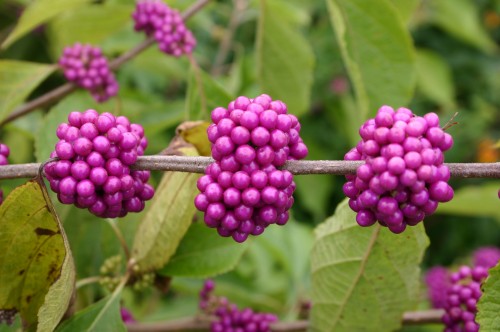
Trees and Shrubs with Colorful Fall Fruits and Berries
Extend seasonal interest with plants producing ornamental fruit. Trees Citrus (Full sun) Cornelian cherry Cornus mas (Full/half sun) Crabapple Malus (Full sun) Dogwood Cornus kousa & C. florida (Full/half sun) Eastern
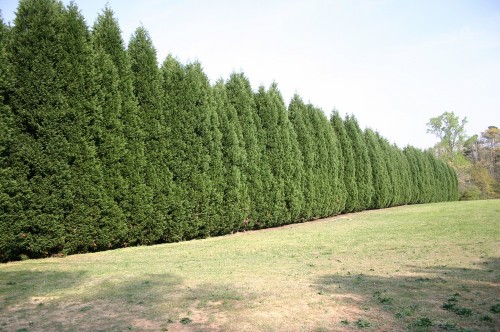
Screening Plants for Privacy: Evergreen and Deciduous Options for Sun and Shade
When Myra D. needed a 20-foot screen on a sloped lot, fence height made trees the only viable option. The first question: how much sun does the site receive? Sun-Loving Evergreen Trees From Lois Trigg Chaplins Southern
Flowers and Perennials for Damp or Wet Garden Areas
Critical Note: Only regionally native plants for beaches, coastal/savannah restoration. Garden damp areas: non-invasive non-natives acceptable. Stream/river/creek/lake edges: only regionally native plants. Recommended P
Trees for Wet and Damp Soil Conditions
Critical Note: Use only regionally native plants for beaches, coastal/savannah restoration. For garden damp areas, non-invasive non-natives are acceptable. But along streams, rivers, creeks, or lakes: only regionally nat
Trees, Shrubs, and Vines with Spectacular Fall Foliage Color
Comprehensive list of woody plants prized for autumn display, organized by type with light requirements. Trees Full Sun: Ash, Bald cypress, Birch, Black cherry, Black gum, Black locust, Callery pear, Chinese pistache, C
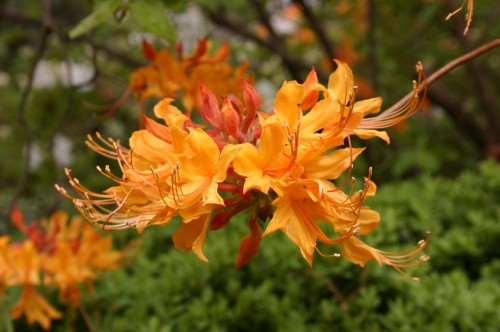
Native Plants for Georgia: Adapted Beauty for Heat and Humidity
Not every native is drought-proof or carefree, but their key advantage: superior adaptation to Georgias heat and humidity. Many match non-natives in color and ornamental value. UGA Native Plant Publications Native Tree
Drought-Tolerant Plants: Why Cultural Practices Matter More Than Plant Labels
During drought, drought-tolerant plants seem like the answer. But how do you judge true tolerance? Experienced gardeners know: once established with proper cultural practices, virtually all Georgia-recommended plants su
Building a Backyard Bog Garden: Carnivorous Plants, Family Fun, and Wildlife Habitat
My nearly-nine-year-old son is hard to impress—until he saw my finished bog garden. Thats cool, Daddy. High praise. He ignored the excavation and slate walk. Pitcher plants captivated him. I explained narcotic nectar lu
Pond Oxygen Crisis: Recognizing and Responding to Low Dissolved Oxygen
George Lewis (Extension Fisheries Specialist) warns: high temperatures reduce dissolved oxygen capacity. Low water levels compound the risk. Worst conditions: hot, overcast days—less photosynthesis, then nightfall worsen
Copyright © www.100flowers.win Botanic Garden All Rights Reserved