


Professional landscaping costs can be astronomical. Master Gardener designers share a practical DIY approach in two parts. This week: getting started.
Theresa Schrum: Determine use (entertaining, play, pets, curb appeal) and honest maintenance time. Divide yard into functional zones.
Sharon Entin-Roth: Get a project notebook with pockets. Photograph priority areas from multiple angles. Sketch the yard roughly, noting cardinal directions, existing plants, and large trees. Know your hardiness zone (Atlanta = zone 7).
Note views to preserve (distant trees, sky) and areas to screen (neighbors). Choose screen plants carefully: will they thrive? Are they invasive? Is a fence better?
Take it one area at a time. Next week: free and inexpensive resources.
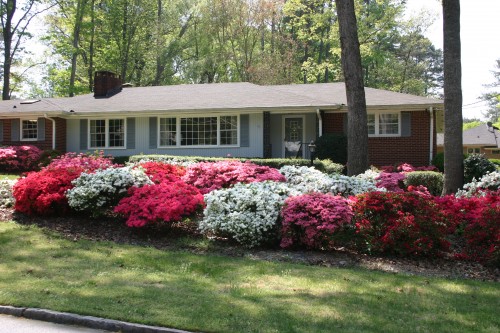
azalea beds
Roses in the Landscape: Choosing the Right Type for Every Garden Role
Designing a Patio Garden: Planning for Beauty, Privacy, and Year-Round Enjoyment
Grow Your Own Garlic in 5 Simple Steps
Grow Your Own Tomato Garden: From Seedling to Sauce in 90 Days
DIY Large Plant Pots: Materials, Design, and When to Buy Instead
Smart Water Conservation Strategies for Your Landscape
Grow Your Best Tomatoes Ever: Expert Tips for a Bumper Crop
Plant Your Own Culinary Herb Garden: Fresh Flavor Year-Round
Build a Rugged, Legless Potting Bench for Easy Gardening
Developing Your Own Landscape Design: Site Analysis and Research
Low-Maintenance Front Yard Landscaping: Grass Alternatives and Irrigation
Copyright © www.100flowers.win Botanic Garden All Rights Reserved