

Gypsum as a Soil Amendment: Myth vs. Reality for Clay Soil
Gardeners want maximum results with minimum effort. In north Georgia, turning hard red clay into plant-friendly soil is a major job. Many hear that gypsum magically softens soil, reducing digging. Gypsum does help somewh

Best Garden Books for Southern Gardeners: Reference & Pleasure Reading
Looking for a gift for a gardener who has everything? Most dirt-diggers enjoy reading about others trials and triumphs. Serious gardeners also need reference books for the latest plant information. Here are my favorites:
Ordering Plants from Catalogs: Risks, Rewards, and Trusted Sources
Few couples recall their first serious argument. I do—it happened on I-285 near Buford Highway on a Saturday afternoon. I mentioned ordering plants from an online catalog. My partner looked at me like Id suggested Vienna
Poisonous Plants: Separating Myth from Reality in Your Garden
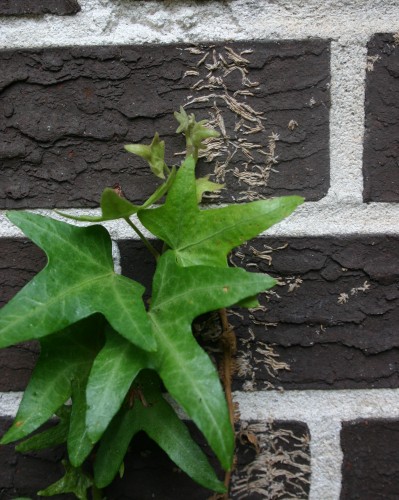
Growing up, Mrs. Mabel Prayors warnings carried as much weight as my parents commands. Shed shout from the back door, Walter, stop feeding those berries to your brother! Theyre poison! How she knew I was hiding behind th
Understanding Soil Drainage: Why Slopes Don't Guarantee Healthy Roots
I recently explained to a homeowner that flowering cherry trees demand well-drained soil to thrive. Thats not a problem, they replied, Im planting on a slope, so water drains right past it. Actually, sloping soil is ofte
Planting Zones Explained: Hardiness, Heat, and Microclimates
Just as a driver needs a map, a gardener needs planting zones to know which plants will thrive. The USDA Hardiness Zone Map divides the U.S. into zones based on average annual minimum winter temperatures, each zone spann
Protecting Plants from Cold: Selection and Emergency Covers
Winter cold tests every plants hardiness. While some gardeners dig up tender plants like bananas each fall, others seek cold-hardy varieties. Nurseries such as Plant Delights offer hardy bananas and oleanders reported to
Watering Shrubs During Drought: Efficient Techniques
Water is the lifeblood of plants, transporting nutrients, sugars, and hormones. During drought or watering restrictions, prioritize the most valuable landscape plants. Hand-watering at the base of shrubs is more efficien
Gypsum vs. Lime: Soil Chemistry for Gardeners
Gardeners often wonder if leftover drywall (gypsum, calcium sulfate) can substitute for garden lime (calcium carbonate) to raise soil pH. Although both contain calcium, their chemical behavior differs. Limes carbonate re
Understanding Soil Percolation: Testing and Improving Drainage
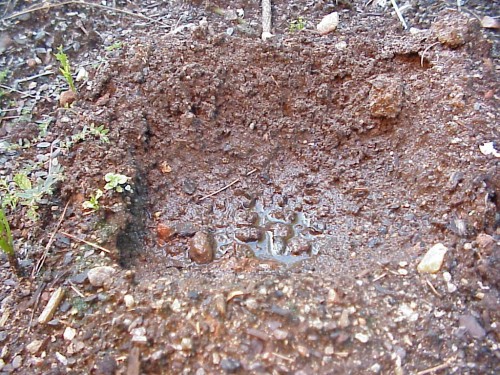
The rhythmic gurgle of a percolating coffee pot is a familiar morning sound. That same principle—water moving through a medium—applies to soil, where percolation rate determines whether plant roots thrive or rot. Well-dr
Plants Called Grasses That Aren't True Grasses
When we talk about mowing the lawn, we say were cutting grass. But many plants bear the name grass without belonging to the true grass family, Poaceae. In everyday language, grass simply means a short, green ground cover
John Travolta's Secret Gardening Lesson: Decoding Fertilizer Numbers
John Travoltas iconic Saturday Night Fever pose—finger up, hand down, legs around—mirrors the three fertilizer numbers: Nitrogen (up = foliage growth), Phosphorus (down = root growth), Potassium (all around = stress resi
When Gardening Experiments Go Wild: Invasive Plants and Surprise Ecosystems
Invasive Groundcover Three Yellow Archangel (Lamiastrum galeobdolon) plants became three dozen in months, engulfing ferns and azaleas. Years later, still fighting it under hydrangeas. Container Water Garden Surprise A h
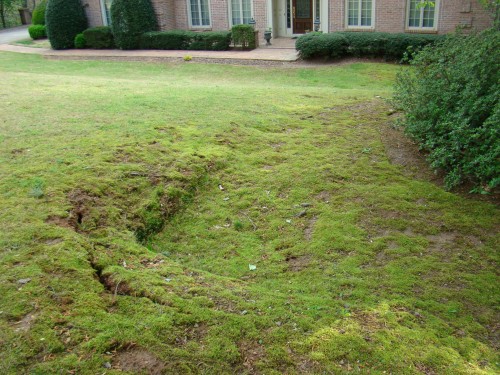
Identifying and Repairing Sinkholes Caused by Buried Construction Debris
Causes Sinkholes often appear 5–10 years after construction when buried debris (tree branches, stumps, materials) decays, leaving a cavity that eventually collapses. Inspection Enlarge the opening, use a flashlight. If
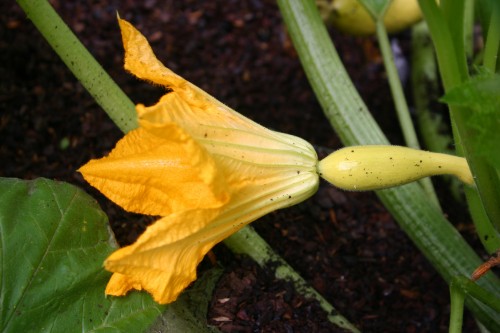
Understanding Pollination in Your Vegetable Garden: Squash, Tomatoes, and Hand Pollination
Squash Pollination Squash, cucumber, gourd, pumpkin, and watermelon have separate male and female flowers. Males appear first (no fruit). Females have a tiny fruit at the base. A bee must visit a female flower at least t
Debunking the Myth: Water Droplets Do Not Burn Plant Leaves
Water droplets can act as lenses, but they are flattened, not perfect spheres. Their focal point is above or below the leaf surface, never on it. Even if focused, the heat would evaporate the droplet before damaging cell
How Late Can You Plant in Fall? Soil Temperature Guide
Fall planting benefits: warm soil stimulates root growth while cool air reduces water demand. Cornell research shows root growth virtually stops when soil at 6 inches drops below 40°F. Check your local soil temperature v
Safety of Pressure-Treated Wood in Gardens: Arsenic Leaching Concerns
Pre-2004 pressure-treated wood (CCA) contains arsenic, chromium, and copper. Most stays in the wood, but some leaches, especially in acidic soil. Dont build compost bins with CCA wood. 10 inches from treated wood or repl
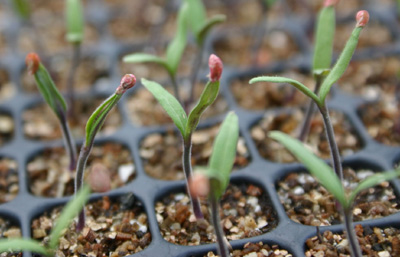
Starting Plants from Seed Indoors: A Cost-Effective Approach
Starting seeds indoors saves money when you need many plants. With a sunny window, sunroom, or artificial lights, you can raise hundreds of dollars worth of plants for a few dollars. Timing is tricky—germination and grow
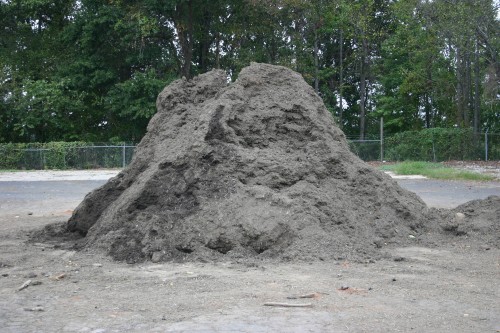
DeKalb County Free Compost Sites
DeKalb County composts yard waste and offers it free at four sites. Check the county website for hours and instructions; call ahead on weekends.
Copyright © www.100flowers.win Botanic Garden All Rights Reserved