


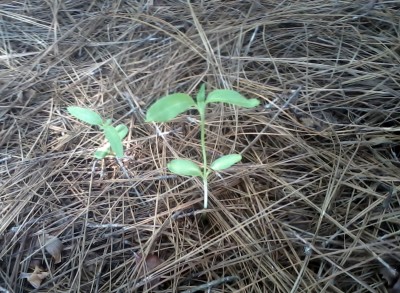
Volunteer plants appear unplanted—from dropped seeds, animal fur, bird droppings, or rhizomes. Some are welcome gifts; others are weeds. Early identification is tricky but improves with experience.
Chives, Sweet Alyssum, Larkspur, Columbine, Foxglove, California Poppy, Milkweed, Lupine, Spotted Bee Balm, Sweet William Catchfly, Sunflowers.
Embrace the surprises, but curate for a balanced garden.
Plant Selection for South-Facing Chalky Clay Loam Gardens
Identifying and Treating Scale and Mealybugs on Houseplants
Root Nodules on Prayer Plants: Normal Growth or Sign of Trouble? Timing Your Repotting
Strawberry Yield Problems: Viruses, Pollination, and Plant Sources
Phototoxicity in Plants: Chemical Sensitivity and Human Risks
Guttation in Plants: Why Leaves Drip Water and What It Means
Encouraging Aloe Vera Blooms: Tips for Flowering Aloe Plants
USDA Hardiness Zones for Carnivorous Plants in San Francisco
Indoor Gardening Mastery: 10 Essential Tips for Thriving Houseplants
Toxic Houseplants: Protect Children & Pets from Hidden Dangers
Coconut Palm Basics: Features, Climate, Planting, and Uses
Plant Nutrient Guide: Primary & Micronutrients, Timing & Application
Becoming a Master Gardener: Training, Volunteer Work, and Community Impact
Pitcher Plant Pest Control: Safe Methods for Carnivorous Plants
Copyright © www.100flowers.win Botanic Garden All Rights Reserved