


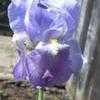
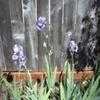
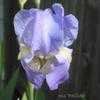
The species Iris pallida—known as Sweet Iris, Dalmatian Iris, or Orris Root—is a foundational species in iris history. Native to the Dalmatian coast (Croatia), it has been cultivated for millennia for its fragrant flowers and, more importantly, its rhizomes—the source of orris root, a precious fixative in perfumery and flavoring agent in gin and cuisine.
Orris root production was a major industry in Renaissance Florence and remains important in high-end perfumery. The rhizomes are harvested after 3+ years, peeled, dried for 2–3 years (developing violet scent), then ground. I. pallida is also a key parent in modern tall bearded iris breeding—contributing the tetraploid chromosome count, branching, and blue pigment that underlie virtually all modern TBs.
Plants form elegant clumps 24–36 inches tall with glaucous blue-green, sword-like leaves. In late spring, branched stems bear 3–5 fragrant, pale lavender-blue flowers per stem—smaller and more delicate than TB hybrids, with a sweet, grape-like fragrance. The species is beardless (no fuzzy beard on falls). Foliage remains attractive all season. More shade- and moisture-tolerant than bearded irises.
Sun: Full sun to part shade. Soil: Rich, moist but well-drained, neutral to alkaline. Planting: Rhizomes just below surface. Water: Regular moisture; tolerates more water than bearded types. Hardiness: Zones 4–9. Uses: Perennial borders, cottage gardens, fragrance gardens, historical/ethnobotanical collections. The non-variegated species offers pure, clean foliage and reliable fragrance—a classic choice for traditional gardens.
Dwarf Crested Iris (Iris cristata): A Native Woodland Groundcover
Intermediate Bearded Iris 'Az Ap': A 1979 Ensminger Introduction
Winter-Blooming Algerian Iris (Iris unguicularis): A Mediterranean Treasure
Reticulated Iris 'Harmony': Early Spring Jewel
Stinking Gladwyn (Iris foetidissima): A Species with Ornamental Seed Pods
Corn Leaf Iris (Iris bucharica): A Bulbous Species with Unique Foliage
Immortality Tall Bearded Iris: A Reblooming White Beauty from 1982
Yellow Flag Iris (Iris pseudacorus): A Water-Loving Native Species
Black Gamecock Louisiana Iris: A Deep Purple Cultivar from 1978
Variegated Sweet Iris 'Variegata' (Iris pallida): Striped Foliage Treasure
Sweet Iris, Dalmatian Iris (Iris pallida): The Orris Root Source
Copyright © www.100flowers.win Botanic Garden All Rights Reserved