
Moon Plant (Datura) Legality and Safety Concerns
Understanding Datura Regulations Moon plant (Datura stramonium) is not federally illegal, but Connecticut, New Jersey, and Tennessee have enacted controls due to its potential for abuse as a hallucinogen. The plant conta

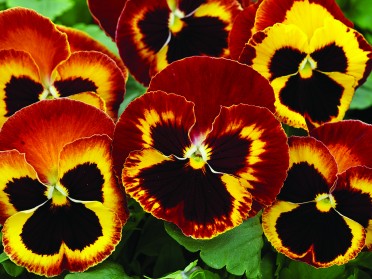
Fall-Blooming Perennials for Zone 7: Beyond Pansies
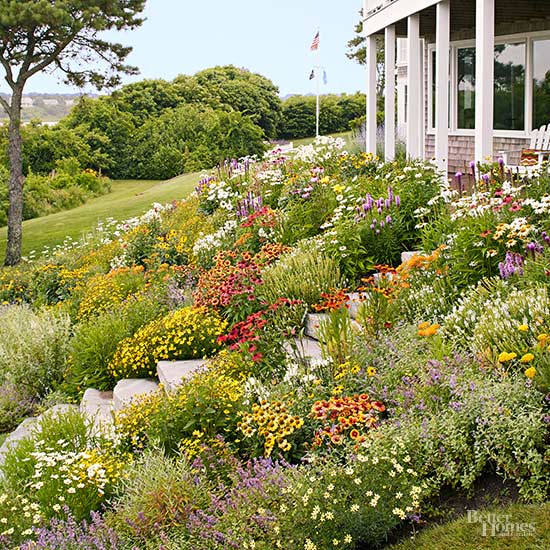
Creating a Fall Display in Full Sun For a 300 sq ft area in Alabama (Zone 7) with full sun and daffodils planted for spring, choose perennials that provide color from late summer until frost. Recommended Plants Perenni
Fixing an Anthurium with Short Flower Stems
Rootbound Plants and Flowering Issues When an anthuriums flower stems stay short and buds remain at the base, the plant is often rootbound. Restricted roots limit nutrient and water uptake, affecting bloom development.
Why Your Rudbeckia (Black-Eyed Susan) Stopped Blooming
Common Causes of Poor Flowering Rudbeckia fulgida Goldsturm is a reliable perennial, but after 2–3 years it may decline due to overcrowding, nutrient depletion, or natural lifespan limits. In Seattles climate, several fa
How to Harvest and Store Moon Plant (Datura) Seeds
Identifying Moon Plant Seed Pods Moon plant (Datura stramonium), also called jimsonweed, angels trumpet, or thornapple, produces spiny seed pods after flowering. These pods must fully mature and dry on the plant before h
Best Low-Light Houseplants for a North-Facing Kitchen Window
Thriving in Low Light A north-facing window in Chicago provides bright indirect light but no direct sun, making it ideal for shade-tolerant houseplants. Choose varieties that naturally grow in forest understories or low-
Managing Daylily Rust and Aphid Infestations
Daylily Rust: A Serious Fungal Disease Daylily rust is a fungal infection that causes orange-brown pustules on leaves, weakening plants and reducing vigor. It spreads easily, so infected plants should not be shared or di
Identifying and Controlling Yucca Bugs in Your Garden
Understanding Yucca Bug Infestations Yucca bugs are tiny, black insects that can appear in massive numbers on yucca plants, often going unnoticed until they have caused significant damage. Gardeners across the United Sta
Identifying a Tall, Pale Pink Fall Perennial in Coastal Massachusetts
Your description—pale pink, 2.5–3 ft tall, graceful mound, daisy-like but fewer petals, fall-blooming, Zone 6a coastal MA—strongly suggests Japanese anemone (Anemone hupehensis var. japonica or × hybrida), often sold as
Growing Heather in Clay Soil: Italian Hillside Garden
Heather (Calluna vulgaris and Erica spp.) demands acidic, well-drained soil—challenging on your Tuscan clay hillside (Zone 9a-ish). Heres how to create a heather-friendly pocket: Soil Amendment Recipe (per planting hole
Boxwood Maintenance & Clematis Planting Timing
Two common garden tasks: keeping boxwoods dense and healthy, and timing clematis planting for spring blooms. Boxwood Care for Full, Bushy Growth Light: Boxwoods tolerate shade but grow densest in part sun (morning sun/
Rescuing a Transplant-Shocked Rhododendron on Long Island
Curling leaves on a newly planted rhododendron in Long Island (Zone 7a) three weeks after planting is classic transplant shock—especially under a large tree with afternoon sun. Immediate Remedies Check planting depth:
Growing Calla Lilies from Seed Pods
The large pods on your calla lily (Zantedeschia) are seed pods. Once they dry and split, the seeds inside resemble dried peas. Heres how to grow them: Seed Collection & Sowing Allow pods to dry on the plant until b
Overwintering Bougainvillea, Kousa Dogwood & Pyracantha in Pennsylvania
Three distinct plants, three tailored winter strategies for southeastern PA (Zone 6b-7a). Bougainvillea (Container, Fuchsia Color) Brought indoors before frost—leaf drop is normal semi-dormancy. Light: Bright south/wes
Overwintering Container Dahlias in Vancouver (Zone 8a)
In Vancouvers mild Zone 8a, container dahlias have two viable winter strategies. Choose based on your space and risk tolerance. Option 1: Leave in Pot (Easiest) After frost kills top growth, cut stems to 4–6 inches. Mo
Designing a Four-Season Perennial Garden in Zone 6
Creating year-round color in Zone 6 requires a succession of bloom times, foliage interest, and structural plants. Instead of a fixed list, use the Bluestone Perennials Custom Search (bluestoneperennials.com) to filter b
Transplanting a Mature Clematis: Step-by-Step Guide
Moving a 7-year-old clematis is risky but possible if done during dormancy with careful root preservation. The best window is late winter (February–March) before new growth starts, as long as the ground isnt frozen. Pre
Winterizing a Perennial Garden in Cincinnati (Zone 5b-6a)
Your Cincinnati garden features a great mix of perennials. Heres a plant-by-plant winterizing plan for Zone 5b-6a, where winter lows hit -10°F to 0°F. Tender Bulbs: Dig & Store Calla lily (Zantedeschia): After firs
What Is Bt (Bacillus thuringiensis) and How Does It Control Caterpillars?
Bt (Bacillus thuringiensis) is a naturally occurring soil bacterium used as a biological insecticide. Its not a chemical poison—its a microbial agent that specifically targets caterpillars (lepidopteran larvae) when they
Diagnosing Brown Leaves on Carolina Jasmine in Texas
Carolina jasmine (Gelsemium sempervirens) turning brown and dying back in Schertz, TX (Zone 8b) after three years suggests a cultural or disease issue, not insects—especially since a garlic-based spray didnt help. Likel
Copyright © www.100flowers.win Botanic Garden All Rights Reserved