Venus Flytrap Color Loss and Dormancy in Puerto Rico
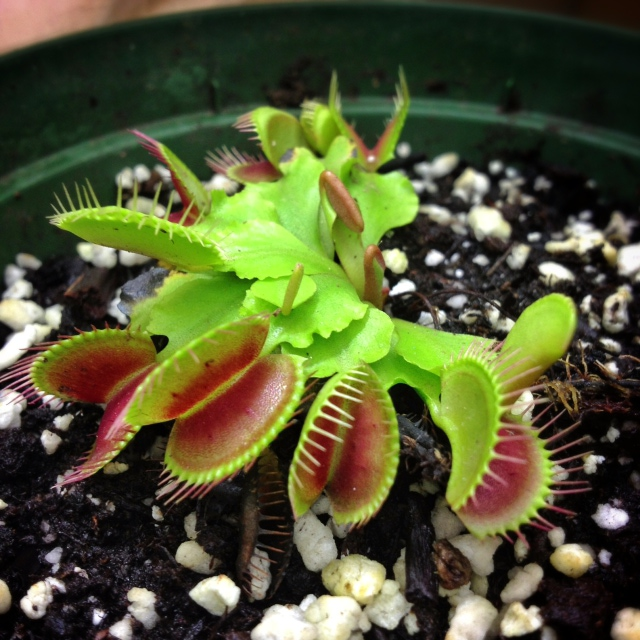
Gabriel in Puerto Rico reported his Venus flytrap lost red coloration (5 hours sun), with baby traps blackening and leaves yellowing. He asked about dormancy timing, fridge method, duration, and whether to separate basal


Follow-Up: Venus Flytrap Dormancy in Puerto Rico
Gabriel repeated his question about Venus flytrap dormancy in Puerto Rico (tropical, no winter), referencing Chriss ice-chest method and concerns about cold shock, gradual transition, and thermometer use. Jeff Dallas res
Venus Flytrap Dormancy in Tropical Puerto Rico
Gabriel in Puerto Rico (tropical, no winter) needs to induce dormancy in his Venus flytrap. He described Chriss ice-chest method (cold packs at night, open with indirect light by day, Oct–Nov through Feb) and asked about
Slow-Starting Sarracenia alata in Cool Michigan Spring
Victor in Michigan reported his S. alata (Pale Pitcher Plant) produced very small pitchers after a cool spring, despite 3 years of success, fresh soil annually, rainwater, full sun, and clay pots in deep water trays. He
Night Temperature Drops for Cephalotus and Heliamphora
Cory asked about night temperature drops for Cephalotus and Heliamphora grown indoors at 74°F (AC 24/7). He uses ice packs in a fish bowl for Heliamphora but wasnt sure about duration or necessity. Jeff Dallas replied: a
Brita vs. ZeroWater: Which Removes Minerals?
Dillon asked if a Brita-style pitcher filter that claims to remove dissolved solids is safe for outdoor carnivorous plants, and whether total dissolved solids equals total dissolved minerals. Jeff Dallas clarified: Only
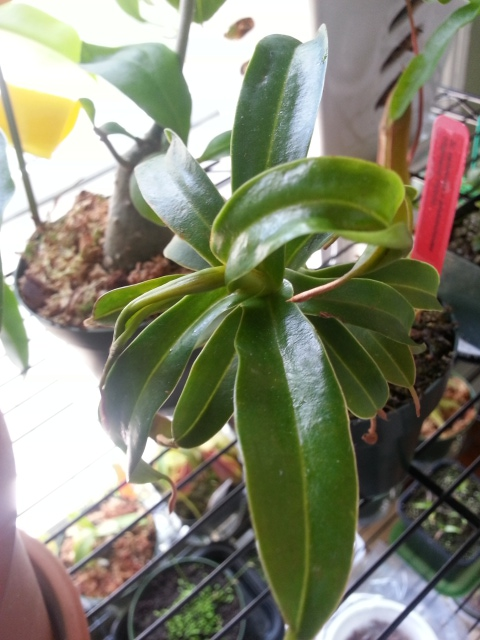
Diagnosing Deformed Nepenthes Leaves: Thrips vs. Spider Mites
Chris noticed twisted, curled new growth on a N. ventricosa × aristolochioides (and a basal shoot) two months after purchase. Other nepenthes nearby were fine. Grown on a rack in a bright SSW window with distilled water.
ZeroWater Filter: Safe for Carnivorous Plants?
Dillon asked if a ZeroWater pitcher filter (which removes dissolved minerals) is safe for carnivorous plants, noting it resembles a Brita filter. Jeff Dallas confirmed ZeroWater uses a different filter technology than Br
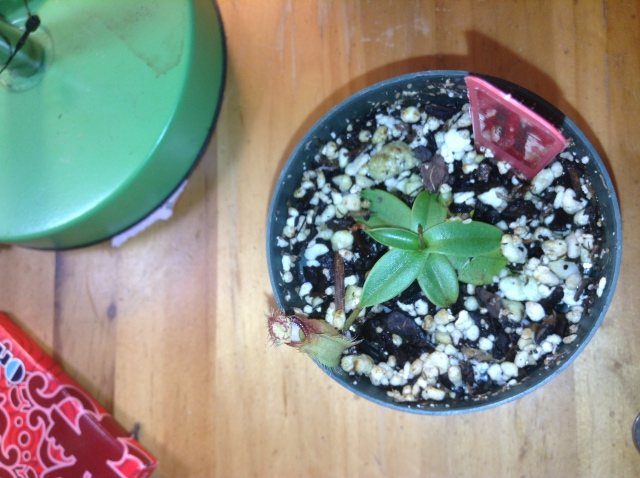
Cooling Strategies for Highland Nepenthes hamata
Weylin grows N. hamata at 84°F day / 75°F night with 40–60% humidity under 60W lights (14-hour photoperiod). Hes concerned about insufficient night cooling for this highland species. Hamata Hamata Jeff Dallas noted the
Choosing the Right Peat Moss for a Mini Bog
Dylan wanted to build a mini bog but could only find Miracle-Gro peat (which contains fertilizer). He asked if dry long-fiber sphagnum moss could substitute. Jeff Dallas confirmed long-fiber sphagnum works but gets expen
Propagating Temperate Sundews from Leaf Cuttings
Dillon asked for podcasts or care sheets on propagating temperate sundews (dewthreads, D. rotundifolia, D. intermedia) from leaf cuttings. Jeff Dallas shared a reliable method: remove newer leaves, float them in distille
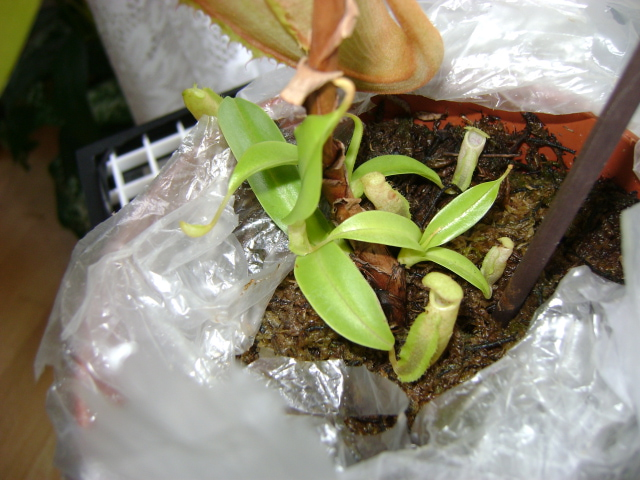
Revitalizing a Declining Nepenthes sanguinea
Matt has grown N. sanguinea for 1.5 years in a north-facing window (4 hours direct morning sun, 1 hour evening) in long-fiber sphagnum kept moist with rainwater. Recently, pitchers shrank from 8 to 6, leaves yellowed wit
Feeding Carnivorous Plants: Gardening, Not Pet Care
Michelle, a new grower in northern Illinois, received a King Henry Venus flytrap, a Dente flytrap, and a red-leaf Drosera capensis from Sarracenia Northwest. She asked whether to feed them immediately or wait due to pote
Rescuing a Tarnok Hybrid After Pest Damage
Johnny from Gulf Coast central Florida found his porch-raided pots—missing soil, plants uprooted—about two weeks prior. Most plants recovered, but a Sarracenia Tarnok hybrid shows no new growth, with existing pitchers sh
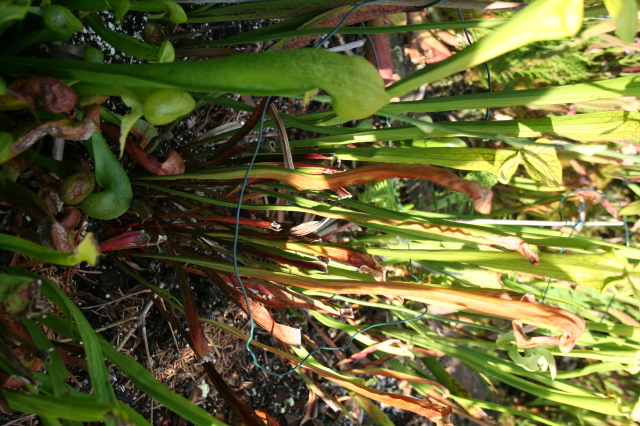
Diagnosing Erratic Die-Back in Established Sarracenia Beds
Steve, a UK grower with 20 years of experience, reported sudden die-back in one of his large outdoor bog beds (50/50 peat/perlite). Phyllodia turned brown and dry in spring, and now some newly formed pitchers are brownin
Sarracenia Seeds: Hybridization and Sowing Timing
Jesus, located in the Florida panhandle near Splinter Hill Bog, received S. alata and S. flava plants each with a flower. He asked whether the resulting seeds would be hybrids and when to sow them. Jeff Dallas confirmed
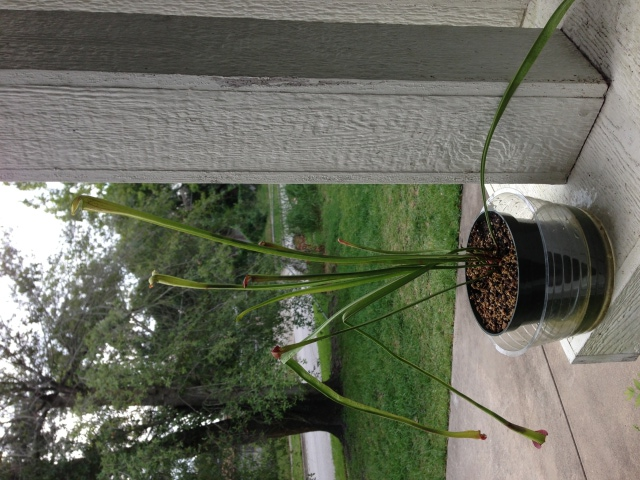
Why Sarracenia Pitchers Flop Over and How to Fix It
Ryan from central Florida wrote in about a Sarracenia alata (or similar species) producing tall, narrow pitchers that flop over once they reach full height (22–30 inches). The plant grows outdoors on a porch with only la
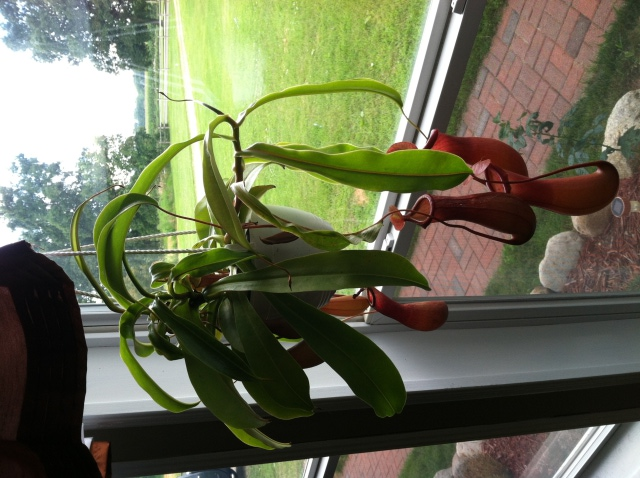
Identifying the "deRoose's Alata" Nepenthes Hybrid
A reader named Cory recently acquired a Nepenthes plant with only a generic Nepenthes carnivorous plant tag and asked for proper identification. The plant in question is shown in the photo below. New Nepenthes Jeff Dall
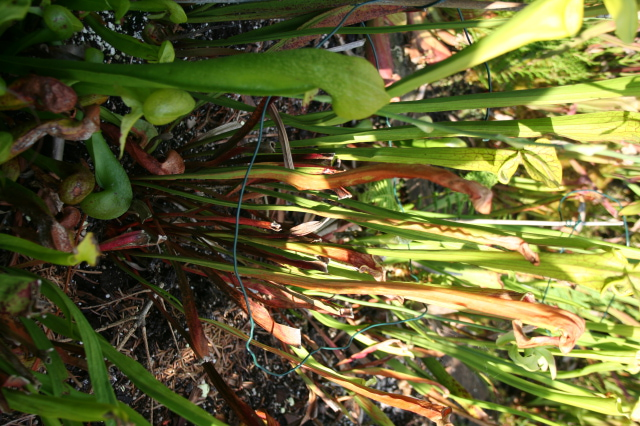
Sarracenia Bed Dieback: Botrytis Root Rot from Crowding
Brown phyllodia/pitchers on some plants, healthy leaves on same plant = Botrytis root rot from crowded rhizomes, poor air flow, low light in dense beds. Common in S. rubra types and S. purpurea venosa. Treatment: Dig in
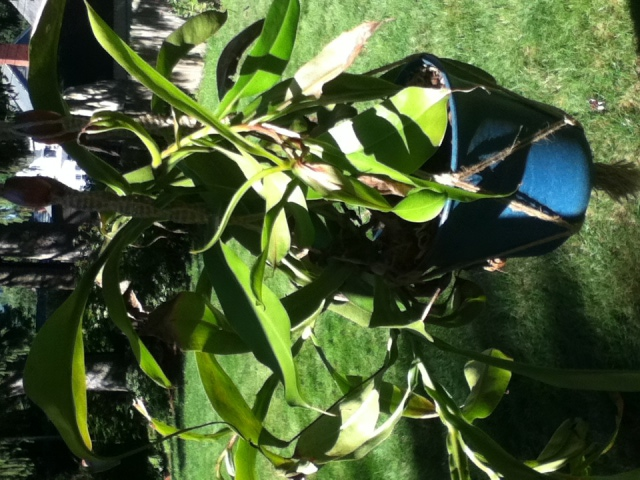
Nepenthes alata × ventricosa Outdoor Transition: Burn Then Recovery
Moving from south window to 3 hrs afternoon sun under maple: initial wilt/burn normal. New growth points = recovery. Leaves darken, strengthen. Move back inside when nights hit 40s°F.
Copyright © www.100flowers.win Botanic Garden All Rights Reserved