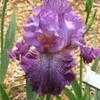


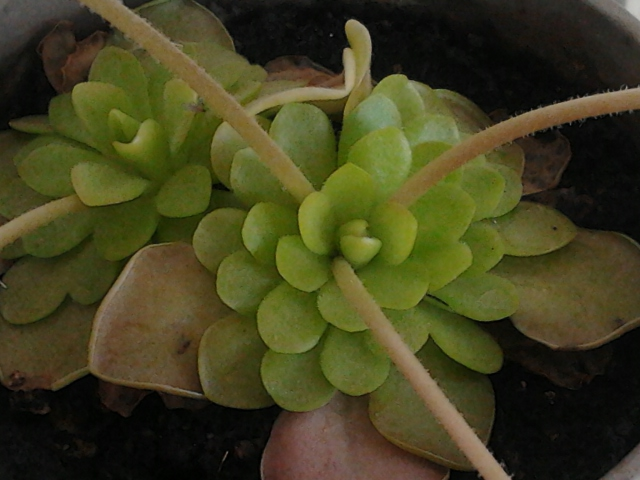
Identifying a Dormant Pinguicula: Likely moranensis Hybrid
Pinguicula Identification Requires Active Growth A grower submitted photos of a dormant Pinguicula (small winter rosette) asking for ID. Expert Assessment Jacob Farin: ideal ID compares flowers and summer leaves. Based


Designing a Cold-Climate Bog Garden in South Dakota
In-Ground Bog Garden for Zone 4 Winters A South Dakota grower plans a 4×4 ft bog garden using a buried water tank, insulated with mulch/pine needles and tarp for winter. Wants VFTs and short trumpets (wind bends tall one
Brown Crust on Sundew New Growth: Peat Particulates, Not Humic Acid
Understanding and Preventing Peat Moss Buildup on Rosetted Sundews A grower reports brownish substance on new leaves of D. aliciae and D. spatulata causing deformation. Wipes off but returns daily. Top-watering to leach
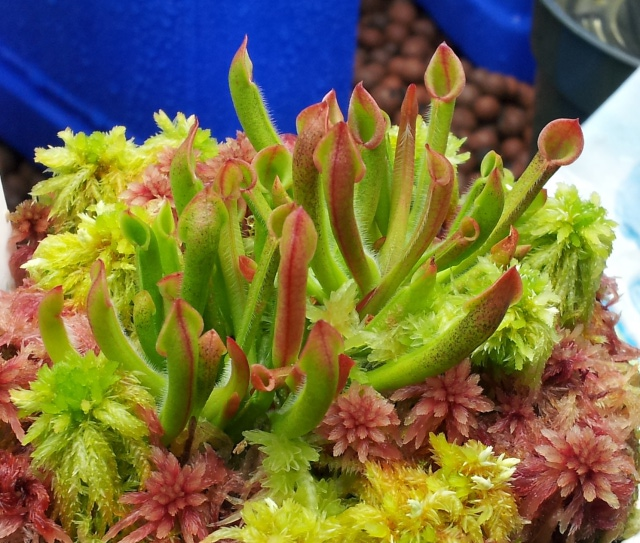
Heliamphora Minor Dark Spots After Terrarium Change: Humidity Acclimation Damage
Minor Leaf Damage from Humidity Transition A grower moved H. minor to a new Exo-Terra terrarium. Conditions: warmer (low 80s°F days, mid 50s°F nights), lower humidity (40% → 70% after plastic wrap on screen top). After 4
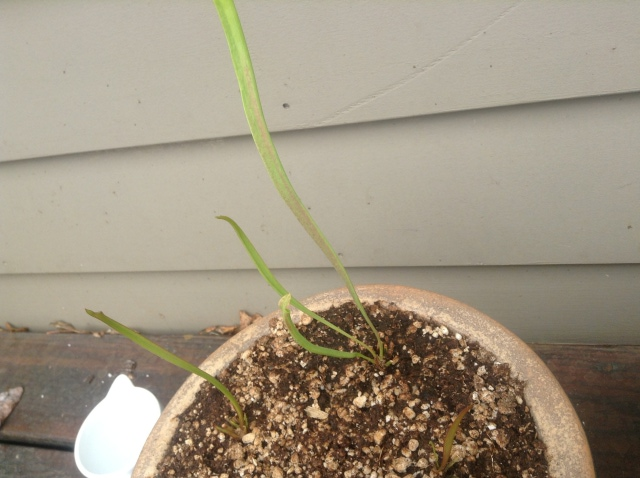
Sarracenia flava Rust Spots: Fungal Infection from Environmental Instability
Diagnosing and Preventing Rust Spots on Pitcher Plants A Connecticut growers S. flava developed blotchy rust-colored spots on pitchers. Plants moved indoors nightly (until May 15) to avoid frost, grown on a porch with 6+
Miracle-Gro Sphagnum with Nitrogen: Fatal for Nepenthes
Why Fertilized Sphagnum Moss Kills Carnivorous Plants A grower asked if Miracle-Gro brand sphagnum moss (0.4% nitrogen) and perlite are safe for Nepenthes truncata. Expert Warning Ryan (responder) states unequivocally:
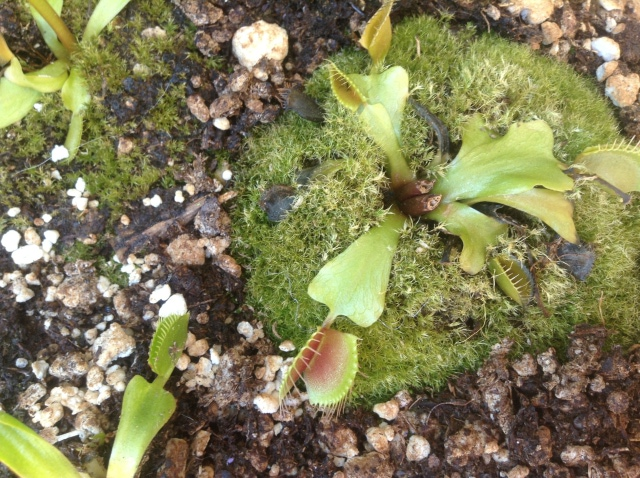
New Venus Flytrap Not Producing Traps: Transition Shock and Flower Removal
Why a Recently Acquired Flytrap Stalls After Flower Removal A Connecticut growers new B-52 flytrap from California Carnivores caught bugs but stopped producing traps after two large flower stalks were cut near the rhizom
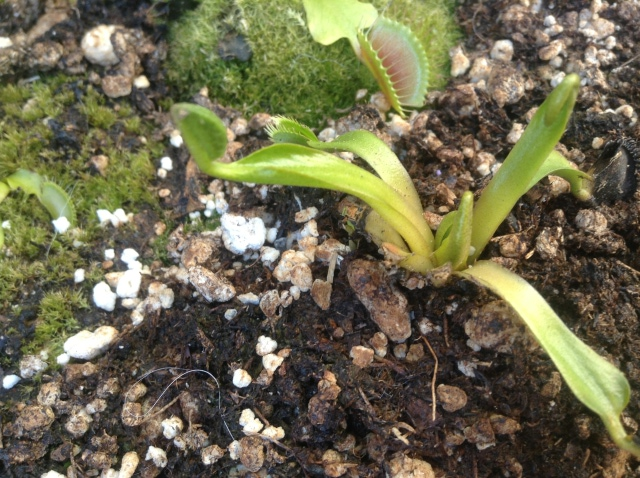
Venus Flytrap Traps Not Forming: Porch Heat and Inconsistent Conditions
Diagnosing Stunted Trap Development in Venus Flytraps A Connecticut grower moves flytraps indoors nightly until May to avoid frost. Days on a warm ceramic-pot porch. One plants new traps develop strange markings, then tu
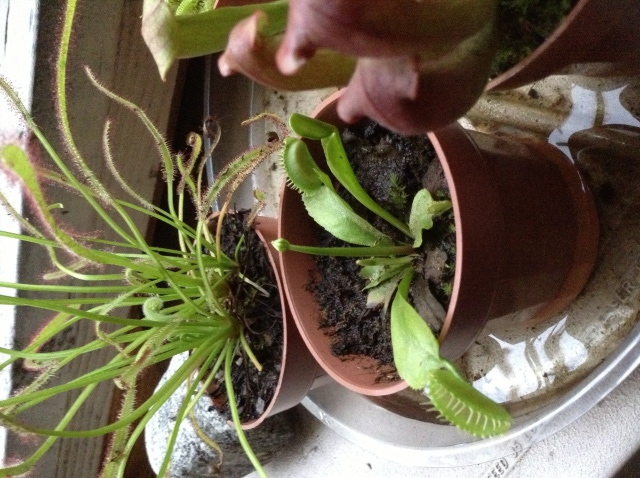
Flower Stalks on Venus Flytrap and Sundew: Normal Spring Growth
Identifying and Managing Spring Flower Stalks A grower posted photos of central growth emerging on their Venus flytrap and what appears to be an octopus plant (likely Drosera), asking what it is and what to do. Expert A
Outdoor Pinguicula grandiflora Leaf Curling: Sun or Water Issue?
Diagnosing Leaf Curl in Temperate Butterworts A growers Pinguicula grandiflora in a full-sun bog garden showed folding/curling leaves. They asked how to shade it. Expert Assessment Jacob Farin notes that at their nurser
Nepenthes maxima 'Wavy Leaf' Wilting After Arrival: Humidity Acclimation
Acclimating New Nepenthes to Lower Humidity A grower received N. maxima Wavy Leaf (plus burkei × singalana and petiolata). The maxima wilted within hours. Home humidity: 40–50%; nursery humidity: 70–80% (cooler greenhous
Venus Flytrap Flower Stalk Producing Plantlets: Vegetative Apomixis Explained
When Flower Stalks Grow Traps Instead of Flowers A growers Venus flytrap produced two flower stalks. One bloomed and died; the other developed tiny traps instead of flowers. They asked whether to leave it or remove and p
Nepenthes 'Miranda' Classification and Identifying Unknown Nepenthes
Understanding Nepenthes Miranda and Identification Challenges A grower asked whether their large Nepenthes Miranda is a lowlander or highlander, and wanted help identifying a second small plant with wavy leaves and green
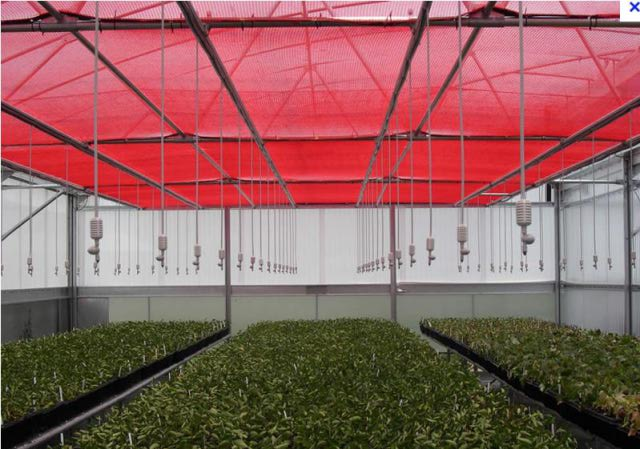
Red Shade Cloth for Venus Flytraps: Does Color Matter?
Shade Cloth Color and Percentage for Carnivorous Plants A San Diego grower with an outdoor bog garden asked about using red shade cloth after hearing a VFT grower on the East Coast reported vigorous growth and good color
How Long Can Sarracenia Survive Submerged Water During Vacation?
Vacation Watering Strategy for Sarracenia A grower planning a vacation asked how long Sarracenia can tolerate water levels above the recommended mid-pot height, with the rhizome about half an inch below soil surface. Ex
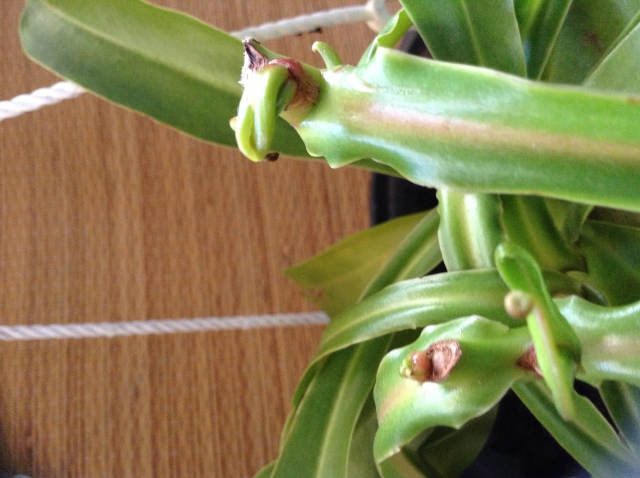
Black Spot on Nepenthes New Shoot: Cosmetic Damage, Not a Health Crisis
Understanding New Growth Sensitivity in Nepenthes A grower noticed blackening on the upper right corner of a developing shoot on their Nepenthes and asked if it was serious. Expert Diagnosis Jacob Farin identifies this
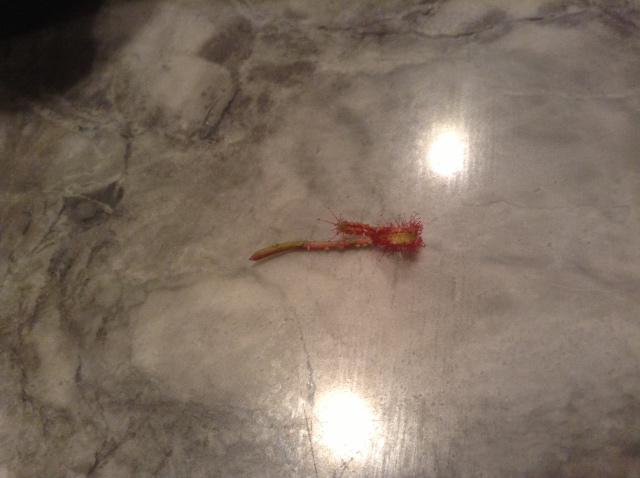
Dealing with Aphids and Mealybugs on Drosera capensis
Pest Control for Sundews: Chemical-Free and Chemical Options A grower noticed twisted, warped new leaves on their Drosera capensis Red growing in a terrarium under lights. Inspection revealed small green aphid-like insec
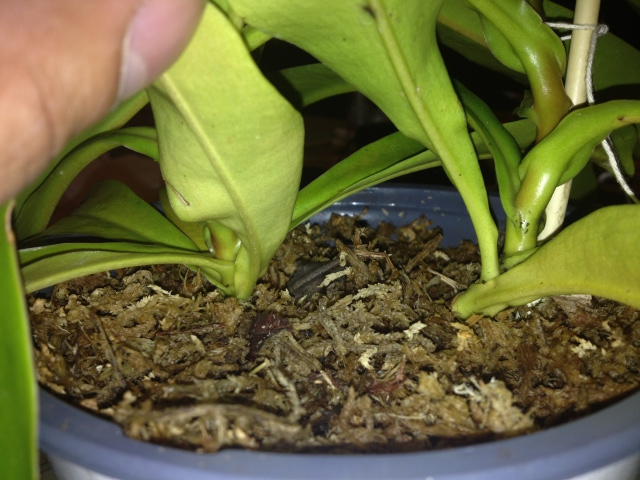
First-Time Nepenthes Owner: Sunburn, Yellow Leaves, and Multiple Plants in One Pot
Common Nepenthes Beginner Concerns Addressed A new grower in Queens, NY purchased a Nepenthes labeled Alata from a nursery. After one week, they placed it on a porch for 3 hours of direct sun. Lower leaves turned yellow
Using Well Water and Ion Exchange for Carnivorous Plants: Safe or Risky?
The Water Quality Dilemma A grower in Oregons Willamette Valley faces a common challenge: well water with 50–55 ppm TDS (total dissolved solids), high in iron sulfide. While possibly acceptable for Sarracenia, its border
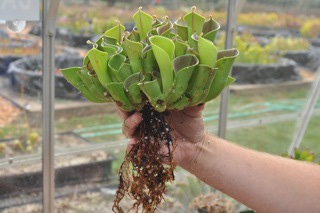
Growing Heliamphora heterodoxa × minor Without Cool Nights
Heliamphora Temperature Tolerance: Myth vs. Reality Heliamphora species are often labeled as strict highland plants requiring significant nighttime temperature drops (45–60°F). But what if you cant provide those conditio
Copyright © www.100flowers.win Botanic Garden All Rights Reserved