


Ryan from central Florida wrote in about a Sarracenia alata (or similar species) producing tall, narrow pitchers that flop over once they reach full height (22–30 inches). The plant grows outdoors on a porch with only late-afternoon sun (2–3 PM to sunset) in a 1:1 peat:sand mix topped with peat:perlite.
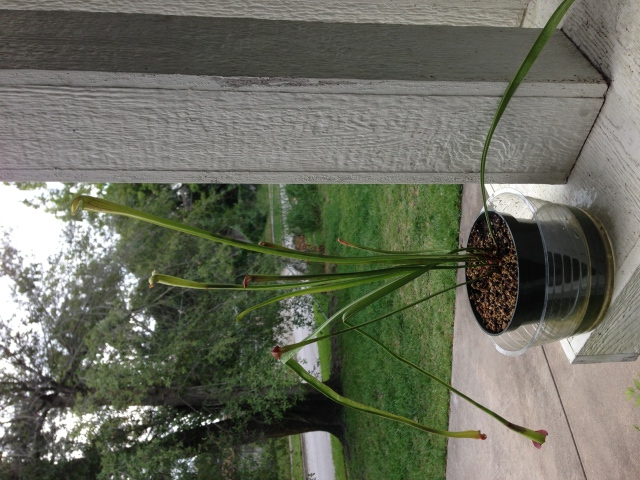
Floppy pitchers
Jeff Dallas diagnosed the issue immediately: insufficient light. The thin, wispy, green pitchers with little coloration are classic signs of low light. Sarracenia require a minimum of 6 hours of direct sun; the nursery's plants receive roughly 10 hours on a sunny day. A good rule of thumb: if you can't grow a tomato plant well in that spot, it's not bright enough for pitcher plants.
Jeff also recommended switching from a clear water tray to a light-colored ceramic or plastic one to prevent root overheating. For the already-flopped pitchers, the only solution is to remove broken ones and stake the rest—but the real fix is more sun. Once the plant receives full sun, new growth will be sturdy, colorful, and upright.
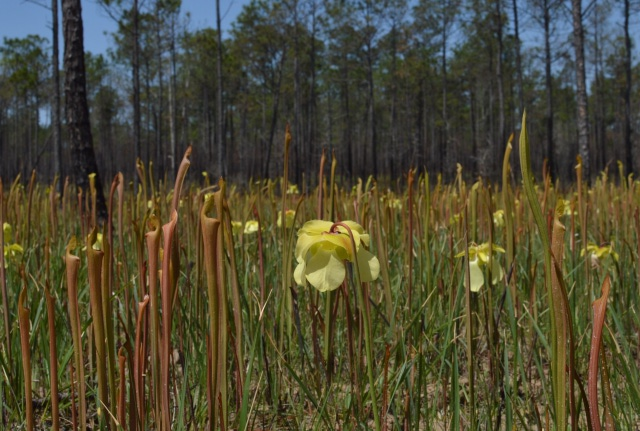
Sarracenia alata in the nursery
Good Growing!
Jeff Dallas
Sarracenia Northwest
https://www.cobraplant.com
Orbit Timer Zones Cycling On/Off Every Minute: Electrical Testing Procedure
Rain Bird 1800 Pop-Up Sprinklers Lose Adjustment Overnight
Cephalotus Not Growing? It May Need Feeding
Staking Top‑Heavy Sarracenia Pitchers
Nepenthes Pitchers Form Away from the Light Source
Rare Mutation: Two Pitchers on One Nepenthes Leaf
Why Sarracenia flava Produces Smaller Pitchers Later in Season
Basal Shoots on Nepenthes: Normal Vining Behavior
Identifying a Vigorous Nepenthes: Likely N. sanguinea Hybrid
Stunted Sarracenia alata in Cool Midwest Summer: "Green Tomato Summer" Effect
Nepenthes alata Care: Pest Treatment, Water Quality, and Humidity Myths
Falling Sarracenia leucophylla Pitchers: Light Deficiency
Rainwater Standing Water Maintenance
Adding Water to Nepenthes Pitchers After Shipping: Optional, Not Required
Copyright © www.100flowers.win Botanic Garden All Rights Reserved