
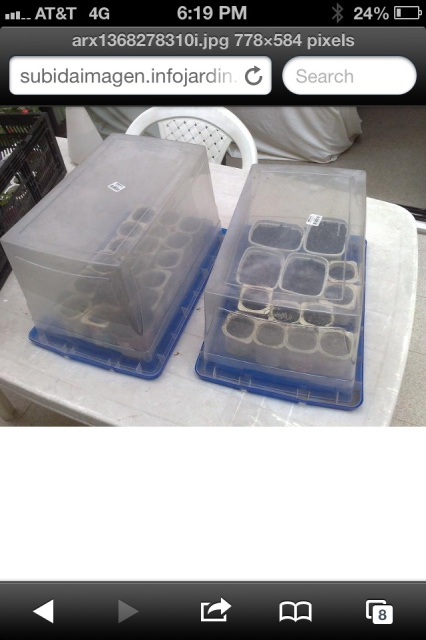
Greenhouse Enclosure in Tropical Climate: Unnecessary and Risky
In tropical U.S. territories (Hawaii, Puerto Rico, etc.), a humid enclosure is redundant—ambient humidity is already high. Enclosures overheat in full sun, cooking plants. Best plants for tropics: tropical sundews, lowl


Darlingtonia Root Rot: Fungal Infection Requires Aggressive Treatment
Darlingtonia with dead foliage but live stolon (runner) has Phytophthora root rot—a soil-borne fungus. Treat immediately: Soak living parts in tebuconazole (Bayer 3-in-1 or Disease Control concentrate) for several minu
Removing Shade Cloth in Autumn: Timing for Greenhouse Carnivorous Plants
Remove 40% aluminet shade cloth after the autumnal equinox (late September). Days are shorter, sun angle lower, reducing heat stress. Plants acclimate naturally to increasing light. In the Pacific Northwest, we see this
Lighting for Nepenthes: CFL vs. Tube Fluorescents
A single 23W CFL (1600 lumens) is adequate only for very small Nepenthes. As plants grow, coverage becomes inadequate. Better: Two-tube shop light (T8 or T12 cool white/daylight, 40W each = 3100 lumens/tube). Tubes run
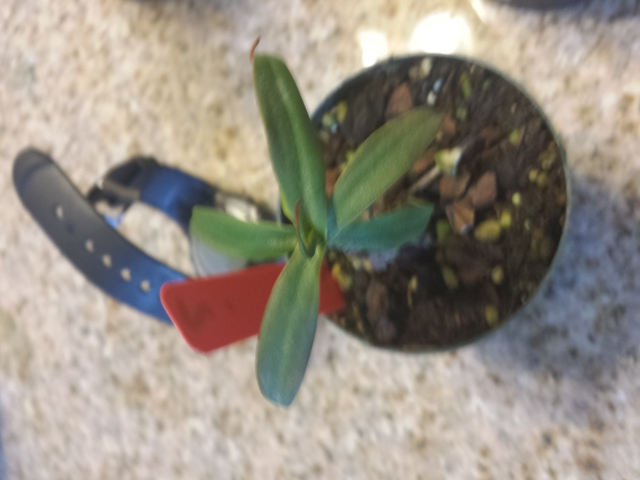
Mystery Nepenthes Identified: N. ramispina or N. sanguinea Dark Form
Plant with dark pitchers and no obvious issues is likely N. ramispina or dark N. sanguinea. They naturally have deep coloration and improve with age. No action needed—plant looks healthy.
Darlingtonia californica Soil Mix: Fast Drainage Is Key
Use equal parts peat, sand, and perlite for Darlingtonia. Pure live sphagnum also works well. No single perfect mix exists—just ensure low nutrients and rapid drainage. See our Serpent of the Siskiyous podcast for detai
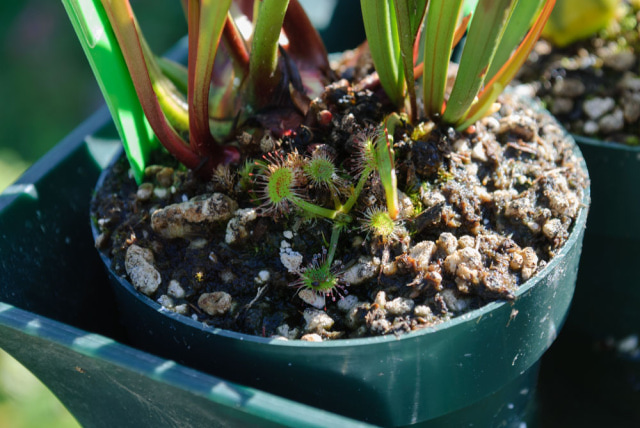
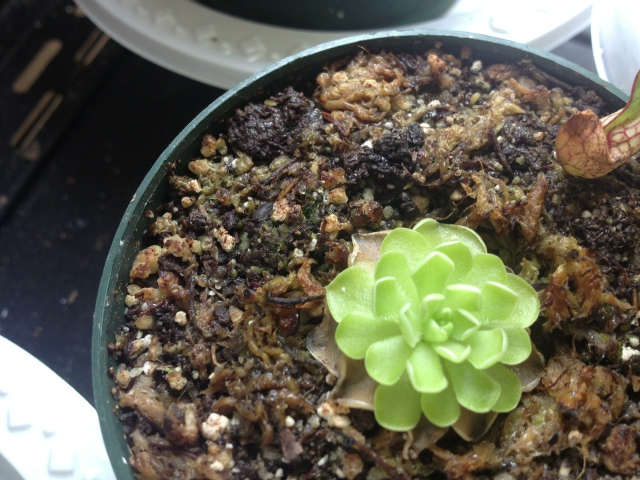
Volunteer Drosera rotundifolia in Sarracenia Pot: ID and Transplant Timing
The volunteer is D. rotundifolia. Transplant during winter dormancy. It thrives in live sphagnum moss. Easy ID: Round leaves, temperate habit. Common contaminant in nursery pots.
Bare-Root Sarracenia Flowering: When to Cut Blooms
Spring-purchased bare-root Sarracenia are usually recent divisions—cut flowers off to prevent stunting. Summer/fall purchases are established enough to bloom if desired. Removing flowers always redirects energy to pitch
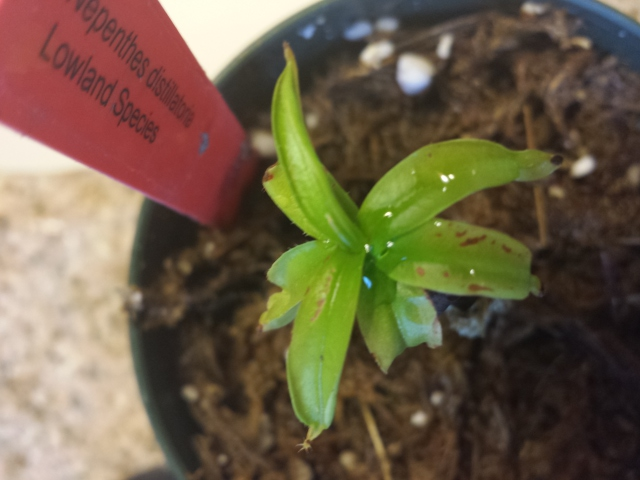
Nepenthes distilleria Recovery After Root Damage: Superthrive and Weak Fertilizer
After accidental root pruning during repotting, help N. distilleria recover with: Superthrive (vitamin/hormone supplement) at regular watering dose. Very weak fertilizer (1/8 tsp/gallon) to support regrowth. Warm, humi
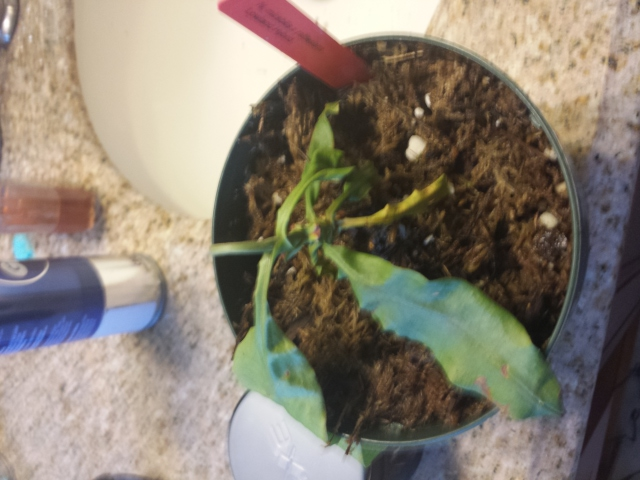
Nepenthes 'Mirabliss × rafflesiana' Wilted After Drying Out: Poor Prognosis
Once a Nepenthes wilts severely from complete drying, recovery is rare. This hybrid is common and replaceable. Focus on consistent moisture for future plants. Lesson: Never let Nepenthes dry out completely. Even brief d
Drosera graminifolia vs. D. spiralis: Similar Brazilian Sundews
D. graminifolia and D. spiralis are closely related Brazilian species requiring cool, bright conditions. Our past D. graminifolia stock turned out to be D. spiralis. We expect availability next year. Both need cool nigh
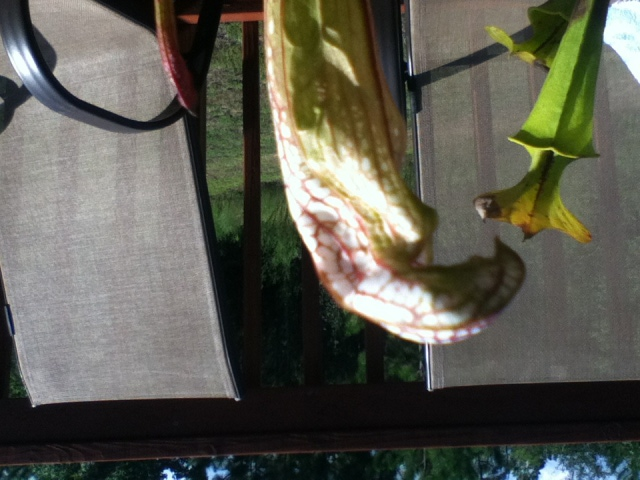
Sarracenia leucophylla Pest Damage: Thrips/Aphids and Insecticide Choice
Deformed new leaves on S. leucophylla with healthy older growth indicate thrips or aphids attacking the growth point. Systemic insecticide is best—contact sprays miss hidden pests. Bayer Natria (sulfur + pyrethrin) is s
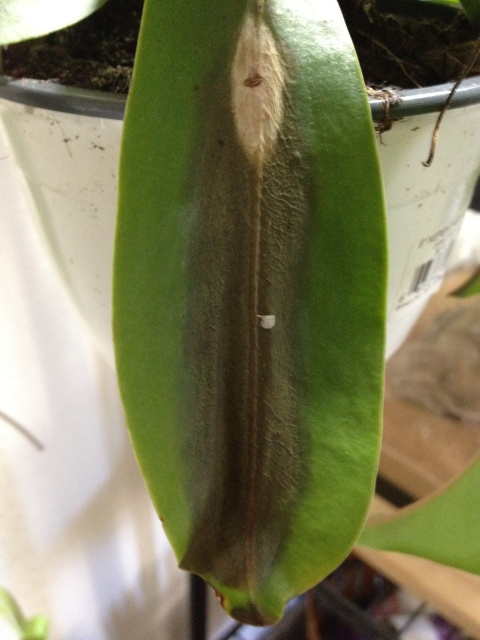
Nepenthes 'Miranda' Black Spots: Severe Light Deficiency
Black spots spreading from leaf centers, dying growth shoots, and bright green leaves on N. Miranda indicate critically insufficient light. This hybrid needs strong light—several hours direct sun plus bright filtered lig
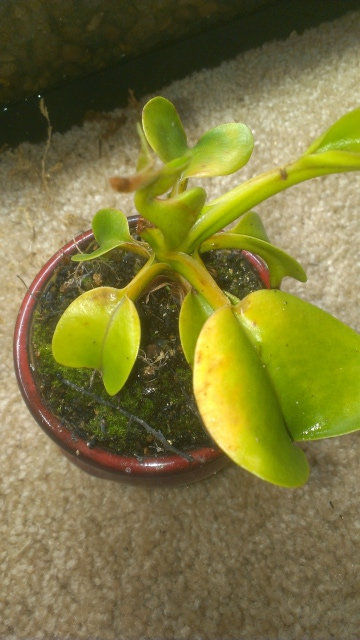
Nepenthes robcantleyi Yellowing: Light, Temperature, and Overwatering
Yellow/brown spots on N. robcantleyi (Queen of Hearts × King of Spades) can stem from: Excessive light/heat: Intense light without acclimation burns leaves. Acclimation: New plants often yellow old leaves while adjusti
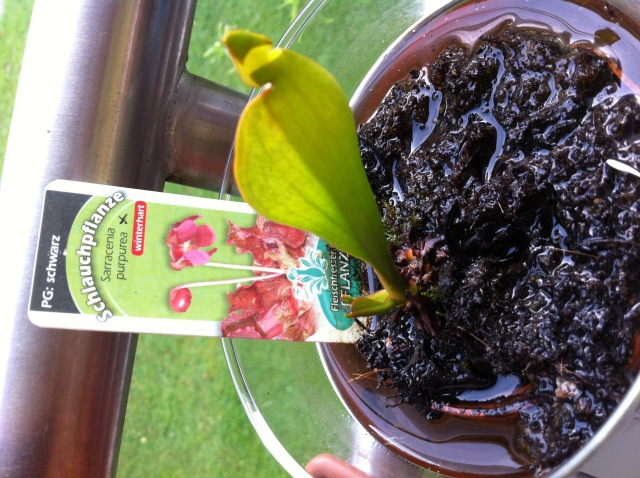
Fixing Sarracenia purpurea: Drainage, Light, and Dormancy Essentials
Deformed pitchers, green color (not red), and no pitchers indicate three problems: Waterlogged soil: Flooding the pot eliminates root aeration. Keep water level ≤ halfway up the pot. Constant saturation rots rhizomes.
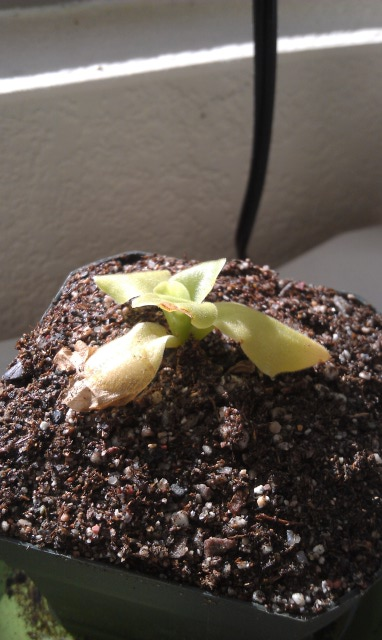
Mexican Butterworts (Pinguicula gigantea) Struggling in Arizona Heat
Pinguicula gigantea and other Mexican butterworts prefer stable, mild conditions (like their native mountain habitats). In Arizona, a west-facing window likely causes extreme temperature/humidity swings, stunting growth.
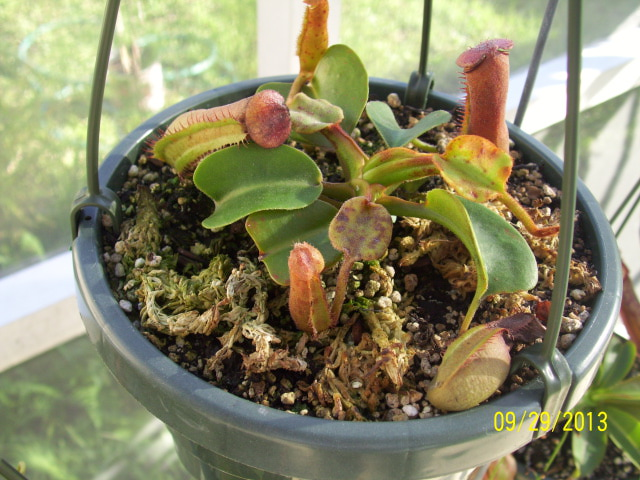
Thrips on Nepenthes truncata: Systemic Insecticide Required
Small, spotted, deformed leaves on N. truncata are classic thrips damage. These pests hide in tight spaces; contact sprays often miss them. Use a systemic insecticide (e.g., imidacloprid or acephate) for reliable control
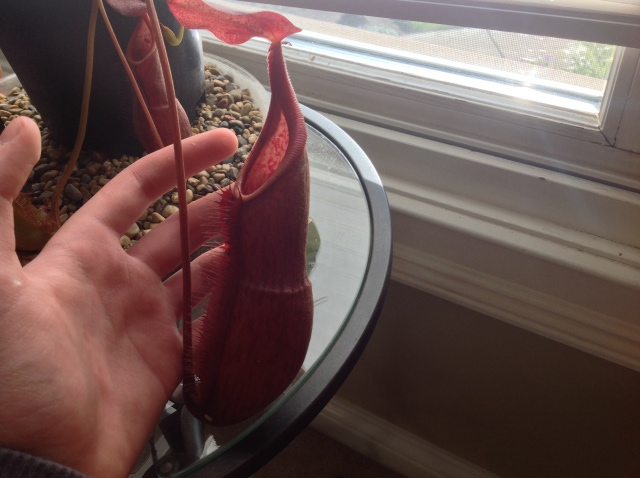
Why Nepenthes Pitchers Shrink After Moving from Greenhouse to Windowsill
Smaller pitchers after moving a Nepenthes (e.g., spathulata × (maxima × (tobaica × talangensis))) from a commercial greenhouse to a home windowsill are normal. Greenhouses use misters and fans to maintain stable, high hu
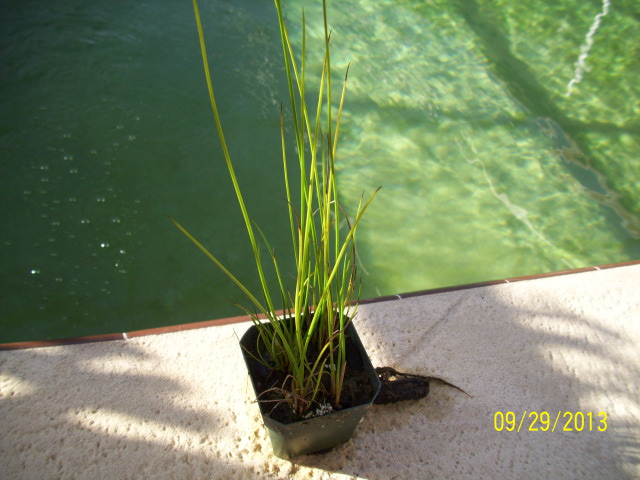
Weed Alert: Common Reed Grass in Carnivorous Plant Pots
Tall, grass-like seedlings with long roots in your Drosera King Marston pot are common reed grass (Phragmites)—a frequent weed in carnivorous plant collections. Its seeds contaminate peat and sphagnum easily. Remove imm
Harvesting and Sowing Drosera nitidula × pulchella (Pygmy Sundew) Seeds
When flower stalks turn brown, cut them and sprinkle seeds directly onto the soil surface around the parent plant—like sowing grass seed. Mist lightly and keep moist. Germination occurs in ~1 month. No need to separate
Copyright © www.100flowers.win Botanic Garden All Rights Reserved