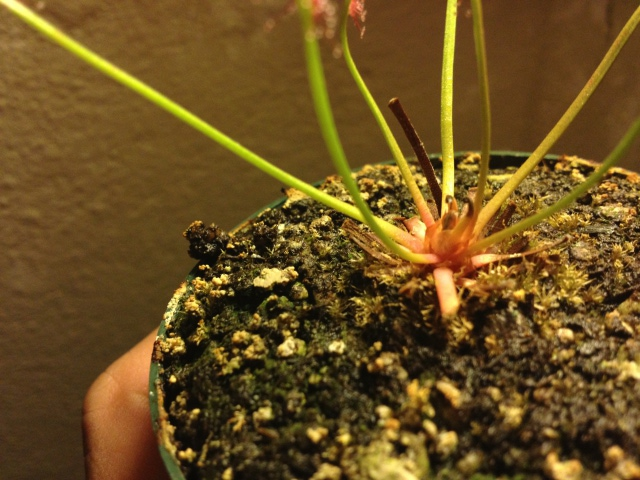
Drosera capensis Troubles: Pests, Humidity Shock, and Light Deficiency
Blackened new leaves with white powder, twisted foliage, and red forms turning green indicate multiple issues: Pests: Aphids hide deep in new growth, causing deformation and dieback. Inspect crowns and leaf undersides


Powdery Mildew on Carnivorous Plants: Why Baking Soda Fails and What to Use Instead
Baking soda is alkaline and raises pH—disastrous for carnivorous plants that require acidic conditions. Never use it. Instead, treat powdery mildew with neem oil or a sulfur-based fungicide. Both are safe for carnivorou
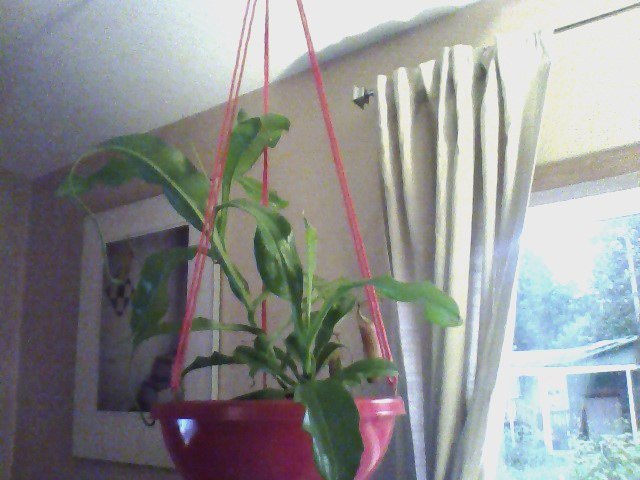
Clear Larvae in Nepenthes Soil: Identification and Systemic Treatment
Tiny clear larvae in the soil and around the base of a Nepenthes (e.g., Poi Dog) are likely fungus gnat or other dipteran larvae. Treat promptly with a systemic insecticide—carnivorous plants tolerate them well. Follow
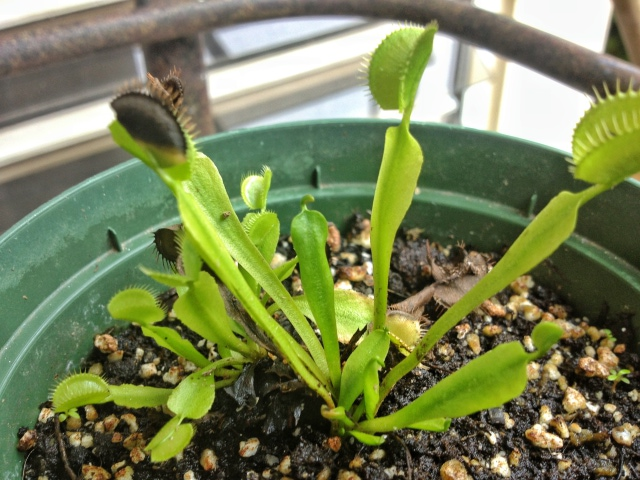
Venus Flytrap Dormancy in Tropical Puerto Rico: Fridge Method Required
In Puerto Ricos warm climate (nights 72°F, days 96–100°F), Venus flytraps cannot experience natural dormancy. Without a cool rest period, they weaken and die within 2–3 years. Simulate dormancy by placing potted plants
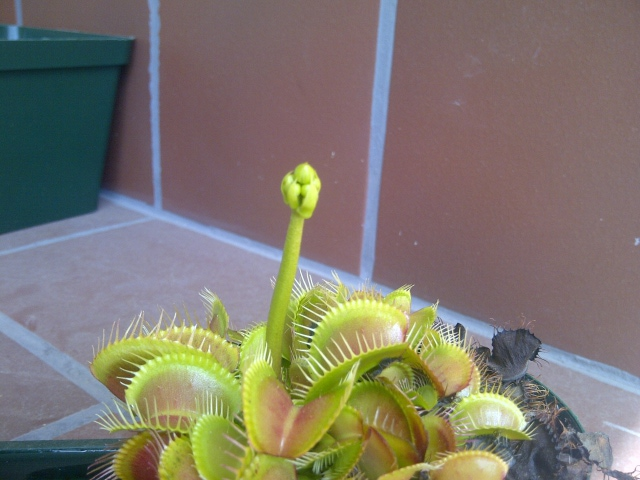
Venus Flytrap Refusing Dormancy in South Africa: Species ID and Care
All Venus flytraps are Dionaea muscipula—cultivars are just selected forms (color, size, shape). If your plant flowers in winter instead of dormancy, its responding to local seasons. In the Southern Hemisphere, dormancy
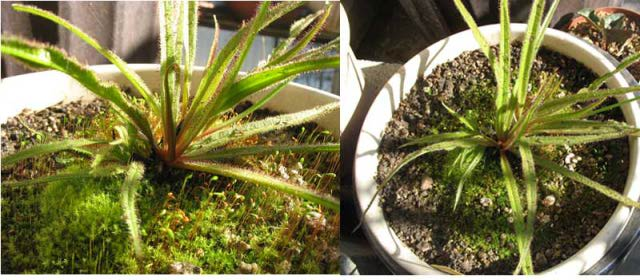
Dividing Drosera regia (King Sundew): Timing, Technique, and Soil Mix
Drosera regia forms multi-crowned clumps over time. Division is best done in cool weather (winter) to minimize heat stress—this species dislikes warmth. Unpot gently; if each crown has long, independent roots, separate t
Yellow Rainwater: Is It Safe for Carnivorous Plants?
Yellow rainwater signals contamination—likely from roofing materials, gutters, pollen, or organic debris. Without knowing your collection system, its impossible to identify the exact cause, but do not use it on carnivoro
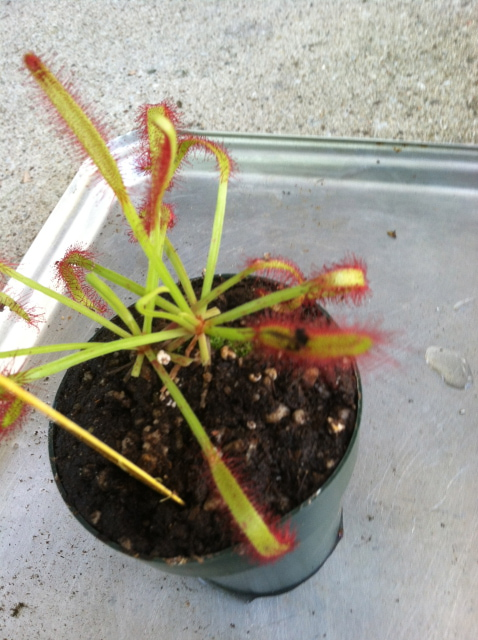
Troubleshooting Drosera capensis: Overwatering, Low Light, and Humidity Issues
Silver spots on red leaves, curling typical leaves, and brown tips on Alba forms often point to overwatering combined with insufficient light and temperature stress. Drosera capensis prefers moist—but not waterlogged—so
Pill Bugs (Roly-Polies) in Sundew Pots: Harmless Scavengers
Finding a pill bug (roly-poly, woodlouse) on your Drosera capensis is no cause for alarm. These crustaceans feed on decaying organic matter, not living plants. They wont harm your sundew. If you prefer to remove it, sim
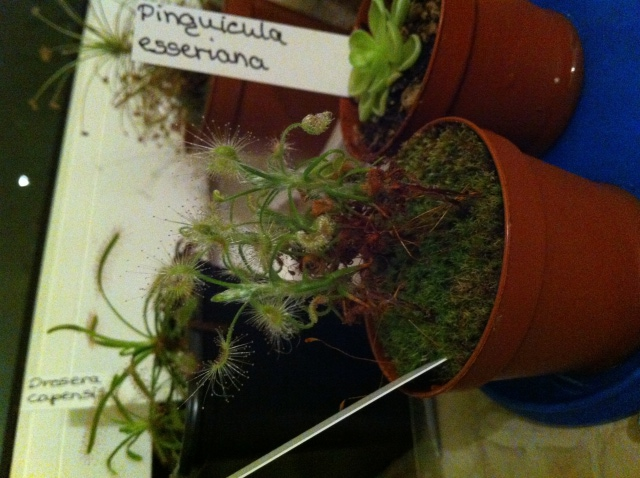
Triggering Gemmae Production in Drosera scorpioides
Drosera scorpioides produces gemmae (asexual propagules) in late autumn in response to shortening day length. If grown under artificial lights, reduce the photoperiod to 10 hours/day for a month to simulate autumn. Plan
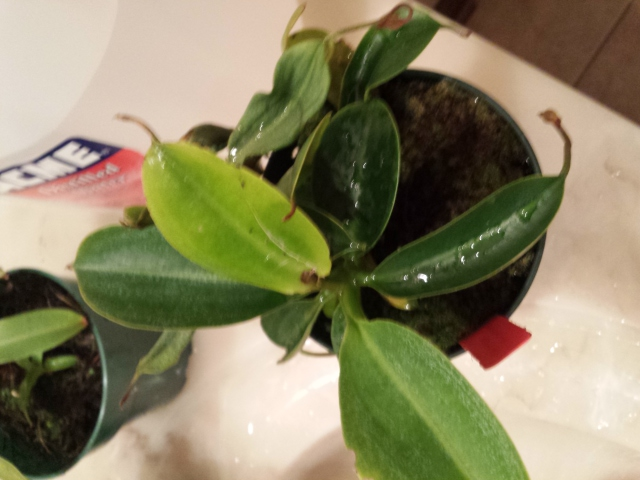
Spider Mites on Nepenthes: Recognition and Neem Oil Treatment
Fine, white webbing on Nepenthes leaves—especially with wilting on one side—indicates spider mites. These tiny arachnids thrive in warm, dry conditions (humidity ~20%) and suck sap from foliage, causing stippling, bronzi
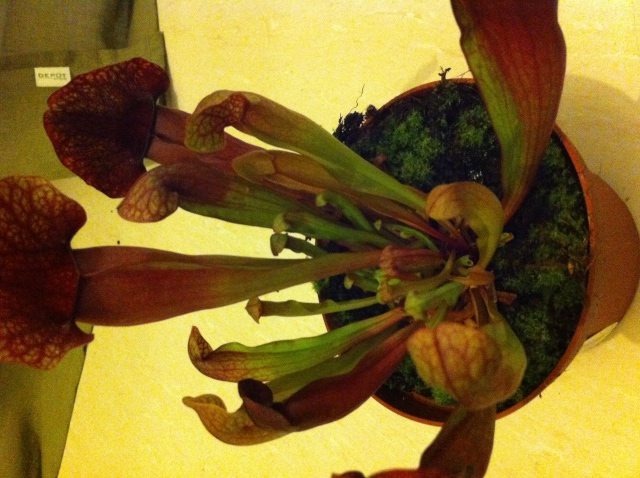
Identifying Sarracenia Hybrids: Purpurea × Leucophylla Traits and Repotting Timing
A Sarracenia with a squat, fuzzy pitcher and a prominent front lip likely has S. purpurea and S. leucophylla parentage—possibly a complex hybrid. The pubescent exterior and wide mouth are classic purpurea traits; white c
Dewy Pine (Drosophyllum) Soil Mix and Pot Choice: Why Clay Works Best
Drosophyllum lusitanicum (dewy pine) thrives in a well-draining mix of 2 parts sand, 1 part peat, and 1 part perlite. Despite the fast drainage, use unglazed clay or terracotta pots—not plastic. Clay pots allow excess m
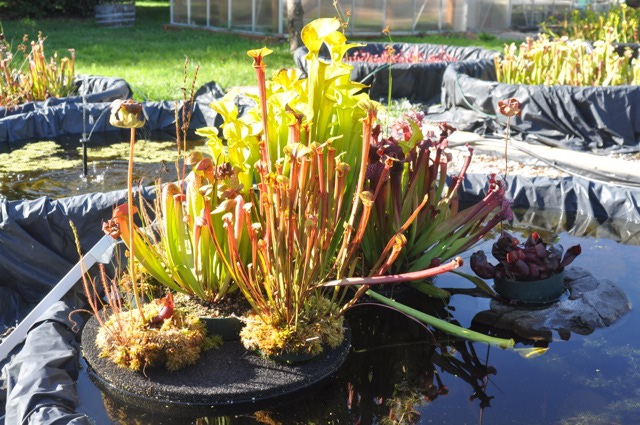
Building a Floating Carnivorous Plant Garden: Water, Fish, and Filtration
Floating islands or baskets work beautifully for Sarracenia, sundews, and flytraps in a pond setting. The roots access water directly while crowns stay above the surface. Weve used this method successfully at our nursery
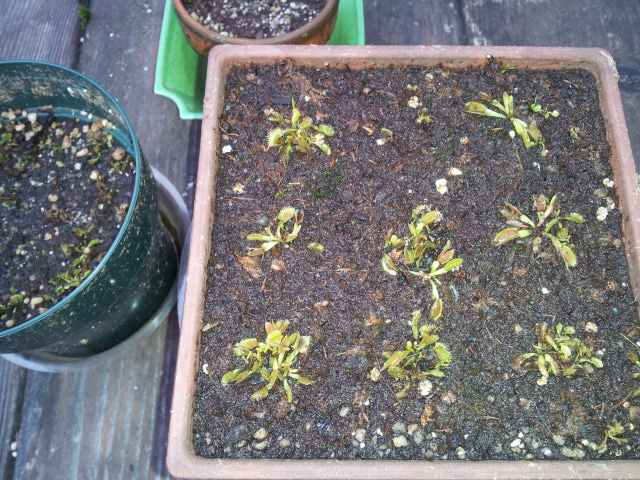
Overwintering Venus Flytrap Seedlings Outdoors in Zone 8
First-year Venus flytrap seedlings (traps ~1/4 inch) can survive winter outdoors in mild climates like Portland, OR (Zone 8), provided theyre protected from heavy rain and extreme cold snaps. Keep seedlings in a sunny,
Do Venus Flytraps Need to Catch Insects? Feeding vs. Natural Growth
Insects act as fertilizer for Venus flytraps, not as a primary energy source. Plants grown indoors without prey will still photosynthesize and grow, but may produce smaller leaves and slower growth over time. During the
Venus Flytrap Dormancy: Why You Can't Skip It and What to Expect Next Season
Venus flytraps (Dionaea muscipula) require a winter dormancy period—no amount of artificial light or warmth can prevent it. Attempting to grow them year-round without rest leads to weak, declining plants that often die b
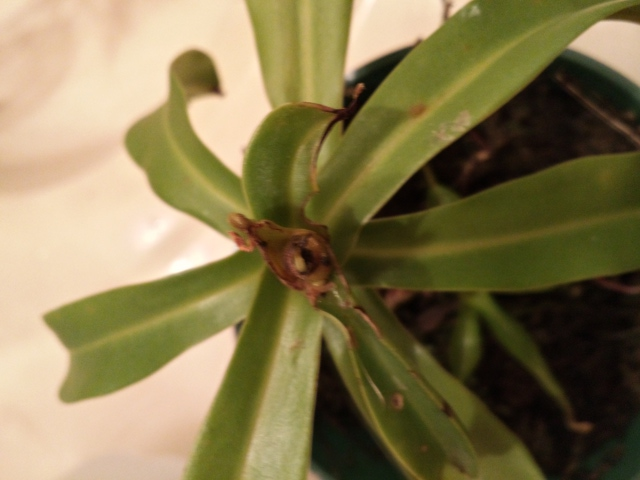
Thrips Damage on Nepenthes: Identification and Systemic Treatment
Distorted, stunted new growth on Nepenthes—especially hybrids like ventricosa × aristolochoides—often signals a thrips infestation. These tiny, slender insects rasp tender tissue at the growth point, causing curling, bro
Early Frost and Carnivorous Plant Dormancy: To Move or Not to Move?
An early autumn frost often alarms growers in temperate zones, but Sarracenia, Venus flytraps, and temperate sundews are well-adapted to sudden cold snaps. In nature, early frosts occur regularly, and plants respond by g
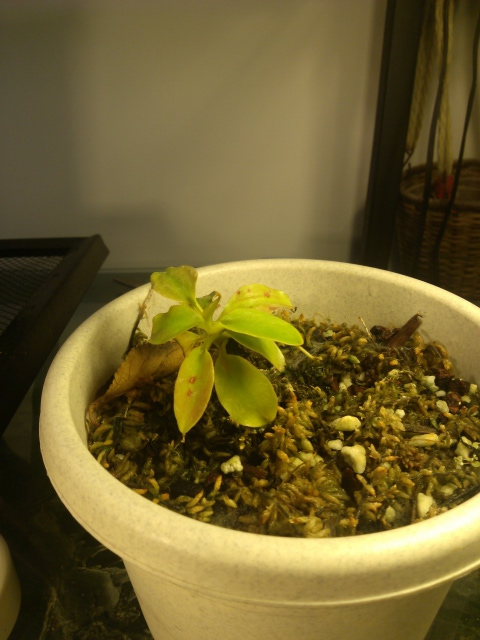
Growing Nepenthes rajah: Why Ultra-Highland Conditions Are Extremely Difficult
Nepenthes rajah, the iconic ultra-highland species from Borneo, demands precise environmental conditions that are nearly impossible to replicate in typical home settings. Success requires cool nights (45–55°F / 7–13°C),
Copyright © www.100flowers.win Botanic Garden All Rights Reserved