


Spring-flowering shrubs transform gardens from winter dormancy into vibrant celebration. By selecting a succession of species, you can enjoy continuous blooms from late winter through early summer while supporting early pollinators.
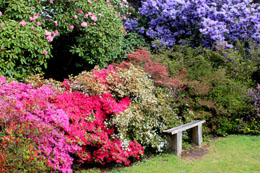
Stagger bloom times by combining very early, early, mid, and late spring bloomers. Consider:
Bloom: Late winter to mid-spring; rose-like flowers in white, pink, red, bicolors
Size: 6-15 feet tall and wide
Conditions: Part shade; acidic, moist, well-drained soil; protect from harsh winter sun/wind
Varieties: Japanese camellia most popular; sasanqua types bloom fall
Bloom: Late spring; intricate geometric pink/white/red clusters
Size: 5-15 feet (cultivars smaller)
Conditions: Part shade; acidic, cool, well-drained soil
Caution: All parts toxic to humans and livestock
Native: Eastern US woodlands
Bloom: Mid-spring; intensely fragrant panicles in purple, lavender, white, pink, blue
Size: 8-15 feet (dwarf cultivars 4-6 feet)
Conditions: Full sun; well-drained, neutral to alkaline soil; good air circulation
Varieties: 'Miss Kim' (compact, late), 'Bloomerang' (reblooming), French hybrids
Bloom: Late spring; white, intensely citrus-fragrant flowers
Size: 6-10 feet
Conditions: Full sun to part shade; adaptable soil
Pruning: Immediately after flowering; remove oldest stems to base
Bloom: Early spring (often before leaves); fragrant white star-shaped flowers
Size: 10-15 feet tall and wide
Conditions: Full sun to part shade; moist, well-drained, acidic soil
Caution: Early flowers frost-sensitive
Lilac Bud Damage from Spring Cold Snap
Companion Plants for Blue Spruce and Yellow Maple: Shade-Tolerant Selections
White-Flowering Shrubs for Morning Sun/Afternoon Shade (Zone 9)
Why Healthy Roses Won't Bloom: 8 Common Causes
White Flowering Shrubs: Elegant Choices for Every Garden
Why Mature Sarracenia leucophylla Skipped Flowering This Year
Dahlias and Geraniums Not Blooming in Heat: Nitrogen, Temperature, and Photoperiod Effects
Why Geranium Blooms Shrink After the First Flush
Why Are Early Spring Flowers Mostly Yellow and White?
Identifying Flowering Plants by Leaves Alone
Bringing Spring Indoors: Winter Flower Decorating Ideas
Spring for Joy: Embracing the Season of Renewal and Floral Beauty
Copyright © www.100flowers.win Botanic Garden All Rights Reserved