


The plant in question is black nightshade (Solanum nigrum). Several Solanum species contain toxic compounds (glycoalkaloids), but the family also includes tomatoes and potatoes—so not all parts of all species are poisonous. Toxicity varies by species, plant part, and ripeness.
The linked resources provide detailed toxicology and historical culinary uses (ripe berries are sometimes cooked into pies, but this requires expert knowledge). This is not medical advice—consult a healthcare professional immediately.
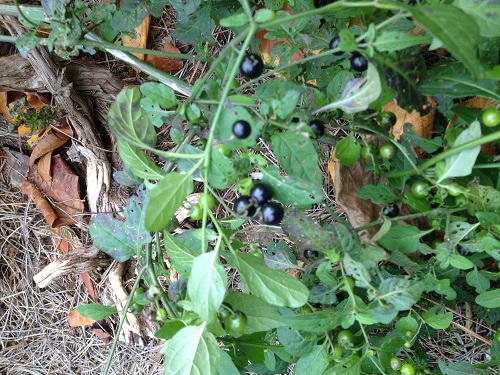
Black nightshade (Solanum nigrum)
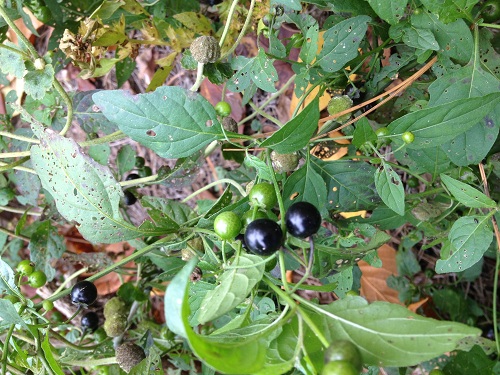
Close-up of berries
Black Widow on Door Handle: No Nest, Just a Wanderer
Black Fuzzy Caterpillar with Red Rings: Giant Leopard Moth Larva
Black Spots on New Orchid Growth: Fungal from Water on Leaves
Black Specks on Cut Roses: Insect Frass, Not Current Infestation
Schefflera Black Spots: Root Rot and Spider Mite Diagnosis
Troubleshooting Non-Flowering Hebe with Leaf Spots
Angel's Trumpet at School: Toxic But Manageable With Placement
Black Tulips: Season, Sourcing & Cost in the UK
Black Mold on New Lawn: Identification and Treatment
Poisonous Houseplants: Hidden Dangers in Your Indoor Garden
Blue Potato Bush (Lycianthes rantonnetii): The Royal Purple Shrub
Fig Sap Sensitivity: A Real and Painful Phototoxic Reaction
Nandina Berries Toxic to Cedar Waxwings
Poisonous Plants: Separating Myth from Reality in Your Garden
Copyright © www.100flowers.win Botanic Garden All Rights Reserved