Growing Marlberry (Ardisia japonica) as a Shade Groundcover
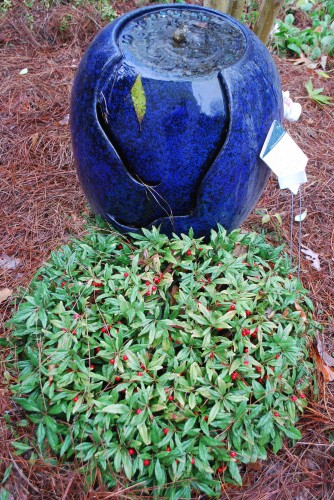
Marlberry: A Tough, Evergreen Groundcover for Shade Two cultivars of Ardisia japonica excel as low-maintenance, evergreen groundcovers for shady, moist sites in Georgia: Chirimen (also spelled Chiramen): Forms a slow-s


Planting Trees on Slopes: Creating a Level Planting Island
Planting a Yoshino cherry on a steep slope? Your sketch shows the right approach: cut into the slope and build a low retaining wall on the downhill side to create a flat planting area. Step-by-Step Construction Excavat
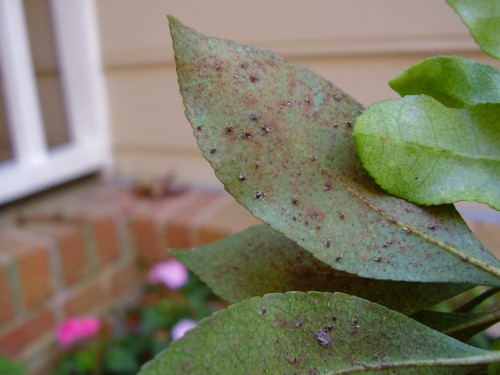
Lace Bug Damage on Pieris: Identification and Control
Pieris Lace Bug: A Common but Manageable Pest Mountain Fire pieris (Pieris japonica) showing leaves stippled with pale, yellowish splotches is a classic sign of lace bug infestation. These tiny, sap-sucking insects feed
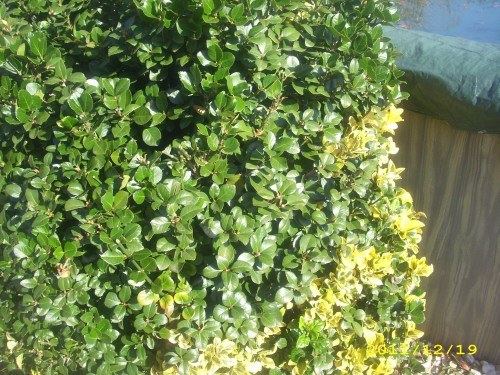
Golden Euonymus Reverting to Green: Causes and Solutions
Why Is My Golden Euonymus Turning Green? Golden euonymus (Euonymus japonicus Aureomarginatus or similar cultivars) originated as a spontaneous mutation (sport) on a green plant. All golden varieties are propagated from t
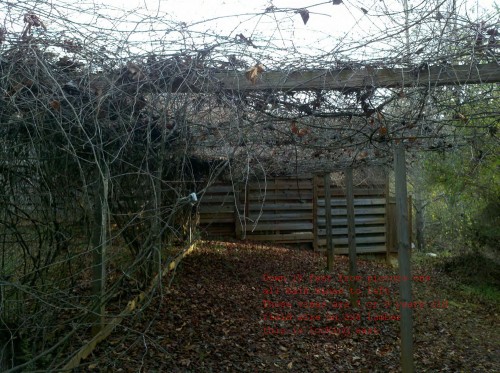
Pruning an Overgrown Muscadine Arbor: Two Approaches
Taming a Neglected Muscadine Vine After two years of neglect, a muscadine arbor can become a tangled mess. The right pruning strategy depends on your goal: Option 1: Maximum Fruit Production Convert to a two-wire trelli
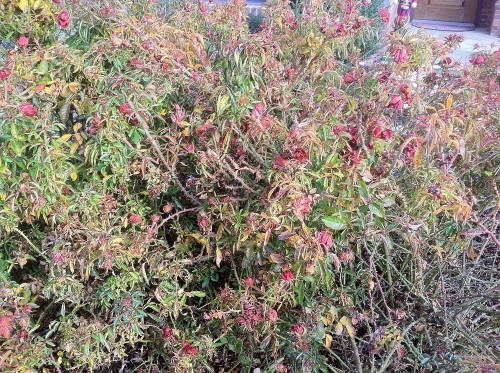
Rose Rosette Disease: Identification, Management, and Replanting
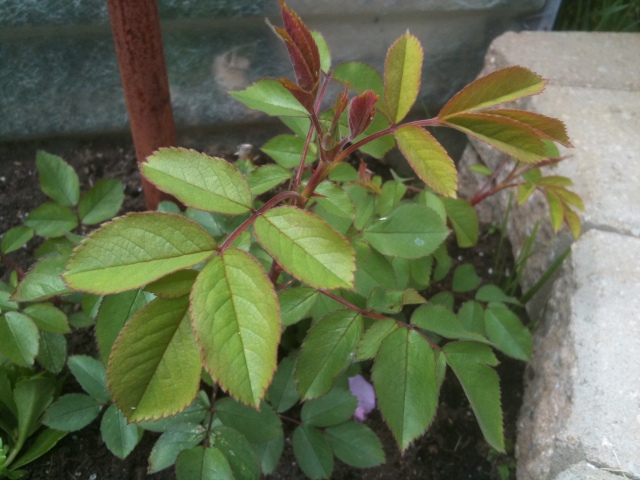
Recognizing and Responding to Rose Rosette Virus Floribunda roses showing intensely red foliage, excessive thorns, witchs broom growth (dense, distorted clusters at branch tips), and progressive decline are almost certai
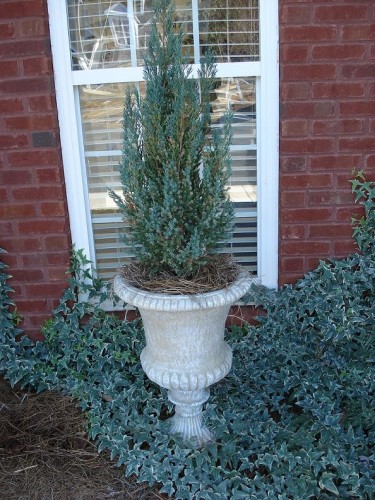
Juniper in a Pot: Why It's Turning Brown and How to Fix It
Container Junipers: The Perils of a Too-Small Pot A juniper slowly turning brown in a container is almost always suffering from chronic drought stress. The pot shown is far too small for the plants size—ideally, the cont
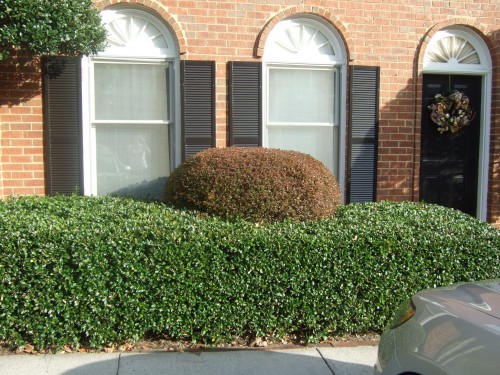
Pruning Overgrown Holly and Azalea: Timing and Techniques
Managing Hollies and Azaleas That Have Outgrown Their Space When holly shrubs begin to swallow a neighboring azalea, strategic pruning can restore balance. Both plants tolerate heavy pruning well, but timing matters for
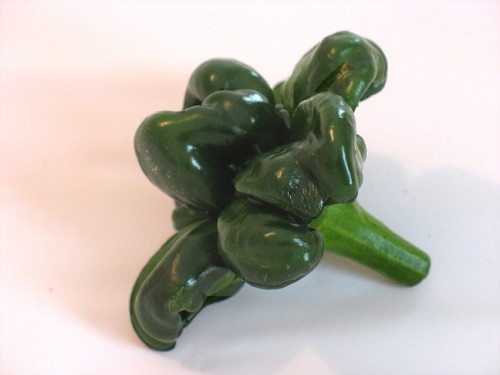
Fused Pepper Fruit: Causes and Explanation
Why Are My Peppers Growing Together? Finding a bizarre, fused banana pepper can be startling. Dr. Joe Kemble of Auburn University explains that such deformities—known as fused fruit—result from environmental stresses dur

Using Pine Cones to Deter Deer: A Simple, Natural Solution
Pine Cones: An Unexpected Deer Repellent After moving to Hilton Head and watching deer devour newly planted fatsia, one homeowner tried every conventional deterrent—soap, hair, urine, pepper sprays—without success. Then
Growing Hardy Kiwi: Varieties, Care, and Uses
Hardy Kiwi vs. Fuzzy Kiwifruit: Whats the Difference? Hardy kiwi (Actinidia arguta) is a distinct species from the fuzzy kiwifruit (Actinidia deliciosa) found in grocery stores. Its smooth, grape-sized fruit can be eaten
Sandhill Crane Migration: Identifying Those High-Flying Flocks
Mystery Birds in the Sky: Sandhill Cranes on the Move In early January, a large flock of birds—over 50—was observed flying in two synchronized, rotating circles, with a pair flying alongside as if guiding them. They rese
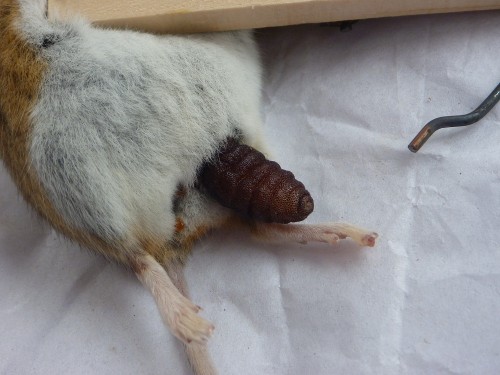
Bot Fly Larva in a Mouse: Identification and Life Cycle
Whats That Protrusion? Identifying a Bot Fly Cocoon Finding a strange object emerging from a dead mouse can be unsettling. Based on the description and photos, the culprit is almost certainly a bot fly cocoon (family Cut
What Is a Hican? The Pecan-Hickory Hybrid Explained
Understanding the Hican: A Unique Nut Hybrid If youve ever come across a nut that looks like a cross between a pecan and a hickory, youve likely encountered a hican. According to Arty Schronce of the Georgia Department o
Chelsea Garden Show Tour with Erica Glasener
Join local garden expert Erica Glasener on a tour of the storied Chelsea Garden Show. Check out the tour description for details.
Bermuda in Centipede: Dig Out or Spot-Spray Sethoxydim
Options: dig out Bermuda patches (match sod size for repair) or spot-spray sethoxydim (centipede-tolerant) every 21-28 days for two years. Glyphosate rarely kills Bermuda in one application.
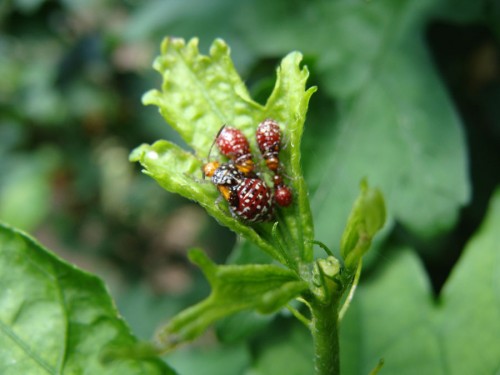
Rose of Sharon Seed Bugs: Harmless Seed Eaters
Bugs on Rose of Sharon are seed bugs (Niesthrea louisianica) eating seeds. They dont harm the plant and reduce unwanted seedlings. seed bugs on Rose of Sharonseed bugs on Rose of Sharonseed bugs on Rose of Sharon seed
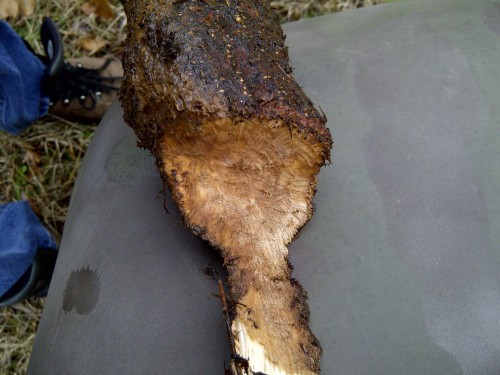
Vole Damage on Young Oaks: Hardware Cloth, Mulch Gap, Trapping
Voles gnawed a sawtooth oak at soil line. They run under mulch. Protect with hardware cloth wrap, pull mulch 4-5 inches from trunk. Trap with peanut butter/apple in covered runways. Check traps, replace with apple to mon
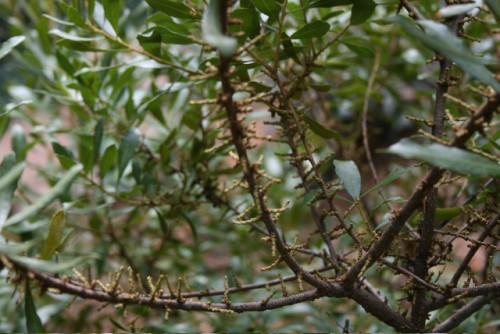
Wax Myrtle Catkins: Female Flowers, Not Infestation
Wax myrtle infestation is actually female catkins (flowers) awaiting pollen from male plants. Wax myrtles are dioecious. Birds love the resulting berries and dense nesting cover. Wax Myrtle picturesMore wax myrtle pictur
Limelight Hydrangea Pruning: Optional, Blooms on New Wood
Limelight panicle hydrangea blooms on new wood. No pruning needed unless size control desired. For huge flowers on compact plant, prune to 18 inches in early spring. Unlike mopheads, winter pruning doesnt reduce blooms.
Copyright © www.100flowers.win Botanic Garden All Rights Reserved