



Hand-Pollinating Meyer Lemon Indoors
Indoor Meyer lemons often drop fruit from poor pollination. Help by tapping flower clusters daily with a dowel to shake pollen loose, or use an electric toothbrush on the anthers to vibrate pollen onto the stigma. Do thi

Pre-Emergent Timing in a Warm Winter
Summer weeds dont germinate until soil temperatures exceed 55°F for several days. In a warm winter, Atlanta soils are still in the 40s°F. Applying pre-emergent now wastes product. Wait until forsythia blooms (a natural s
Why Seed-Grown 'Pink Lady' Apples Are Tiny
Your seedling trees are likely hybrids between Pink Lady and a crabapple pollinator. Crabapples are common in orchards for their abundant, compatible pollen. The resulting fruit inherits the small size of the crabapple p
White Pine Alternatives for Atlanta Screens
White pines often die young in Atlanta from heat and borers. For a durable evergreen screen, plant deodar cedar, Arizona cypress, Emerald Green arborvitae, or Black Dragon cryptomeria. These handle the climate far better
Finding a Quality Landscape Maintenance Company
For landscape care beyond basic mowing, use the Find a Professional directory at the Urban Ag Council (urbanagcouncil.com). Enter your needs to find companies offering full maintenance, irrigation, and design services. C
Corn Buggywhipping: Weather-Related, Not Harmful
Twisted, knotted corn whorls are called buggywhipping. Its usually caused by a sharp temperature swing—cool weather followed by rapid warm-up—not herbicide damage. The leaves usually unfurl on their own. You can gently r
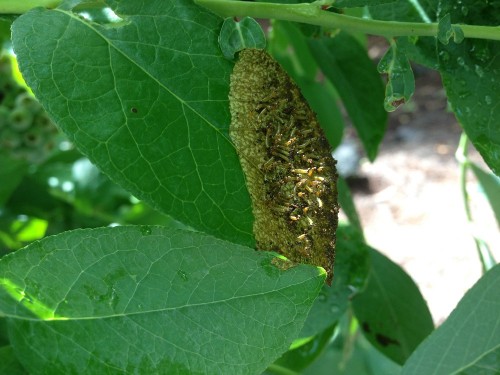
Yellow-Necked Caterpillars on Blueberries: Early Bt Control
Small caterpillars clustered on a blueberry leaf are likely immature yellow-necked caterpillars (Datana ministra). Left unchecked, they can defoliate branches. Spray immediately with Bacillus thuringiensis (Bt)—sold as D
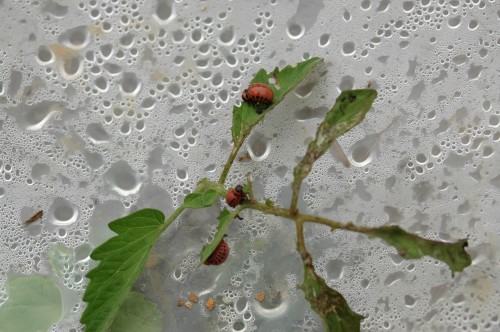
Colorado Potato Beetle on Tomatoes: Identification and Control
The larvae feeding on your tomatoes are Colorado potato beetle larvae. Despite the name, they love all nightshades: potatoes, tomatoes, eggplants. Hand-picking is effective for small plantings. Any garden insecticide (sp
Hiring a Landscape Designer: Legal Requirements in Georgia
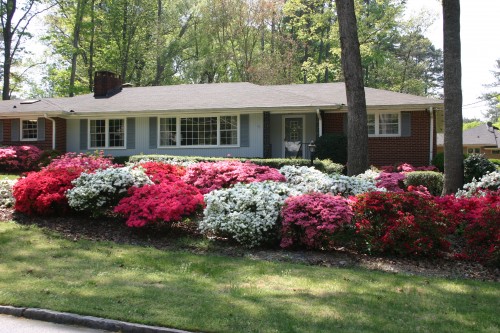
In Georgia, only a Registered Landscape Architect can legally prepare landscape plans for a fee unless the design is incidental to installation by a landscape contractor or the person is a gardener/nurseryman. A design-o
Downy Mildew on Zucchini: Act Fast to Save the Crop
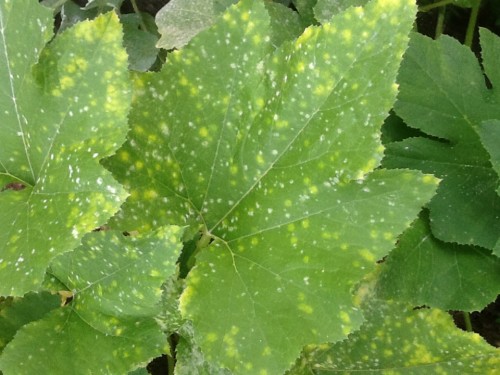
Sudden spotting on zucchini leaves in warm, humid weather is classic downy mildew. It spreads rapidly and can kill the plant. Spray immediately with chlorothalonil (e.g., Daconil) to slow the disease. Remove severely inf
Tiger Beetle Larvae: The "Snake" in Your Yard
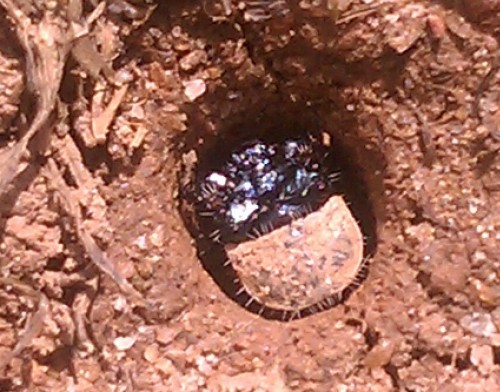
The insect peeking from a ½-inch hole with no dirt mound is a tiger beetle larva, likely Megacephala carolina or M. virginica. The larva waits at the burrow entrance and snatches passing prey. Adults are stunning metalli
Finding a Full-Service Landscape Company in Atlanta
For landscape maintenance beyond mow, blow, and go, use the Find a Professional tool on the Urban Ag Council website (urbanagcouncil.com). Filter by services offered and check their Environmental Awards winners for compa
Warm Winter Perennials: To Cut or Not to Cut?
If perennial foliage (like tickseed or sage) stays green through a warm winter, leave it alone. Green leaves are still photosynthesizing and storing energy. Cutting them back removes that benefit. Wait until new growth e
Planting a Florist's Gardenia in Winter: Wait Until Spring
Florist gardenias are greenhouse-grown and very cold-sensitive. Planting in winter will likely kill or severely damage them. Keep it indoors in bright light until April. Then plant in a sunny, well-drained spot where you
Fast-Growing Shade Trees for a West-Facing House
For quick shade on a west-facing home, maples are top performers. Red maple and sugar maple grow fast and provide dense summer canopy. Other good choices: yellow buckeye, river birch, and green ash. Plant at least 20 fee
Lime Over-Application on Bermuda: Harmful or Harmless?
Two applications of 10 lbs/1000 sq ft (20 lbs total) is far below the typical recommendation of 40–50 lbs/1000 sq ft. It wont hurt the grass, but it also wont correct acidity effectively. Ask your lawn service for the so
Organic Weed Preventers: The Hard Truth
There is no highly effective organic pre-emergent herbicide for Georgia conditions. Corn gluten meal is sold as one but provides only marginal control here. The best organic weed control is cultural: maintain a thick, he
Growing 'Rooster' Potatoes from Store-Bought Tubers
Rooster is a red-skinned potato brand, not a distinct variety. Store-bought tubers are often treated with sprout inhibitors. If you can get one to sprout, plant golf-ball-sized pieces in a sunny bed now. If sprouts emerg
Best Time to Fertilize Hydrangeas, Azaleas, and Peonies
The ideal time to fertilize most spring-blooming shrubs and perennials is when they begin active growth in spring. A general guideline: apply 1 tablespoon of 10-10-10 per foot of plant height in March, May, and July. Sto
Planting Forced Tulips Outdoors: Low Rebloom Expectations
Potted tulips forced for Valentines Day rarely rebloom well in the garden. Summer heat and moisture cause the mother bulb to split into many small bulblets that lack energy to flower. For reliable perennial tulips, plant
Copyright © www.100flowers.win Botanic Garden All Rights Reserved