


Why Knock Out Roses Stop Blooming in Summer
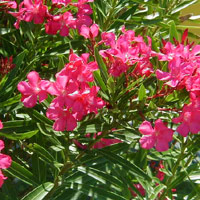
New Growth Drives Flower Production Knock Out roses bloom on the tips of canes that are 12–16 inches long. If you didn’t fertilize regularly after spring, the plant stopped making new canes, so no new buds formed. Consis

High Nitrogen, Low Potassium: Why Vegetables Grow Tall But Fruit Poorly
Excess Nitrogen Favors Leaves Over Fruit A soil test showing high N and low K explains the symptoms: vines and stems grow luxuriantly, but flowers and fruit are scarce. Lawn fertilizers (e.g., 29‑4‑8) are high‑N; using t
Growing Hellebores (Lenten Rose) on Tybee Island
Shade and Soil Amendments Are Key Hellebores thrive in full shade. Tybee’s sandy soil needs heavy amendment: mix 3–4 inches of soil conditioner or planting mix into the top 10 inches. Try newer cultivars like ‘Ivory Prin
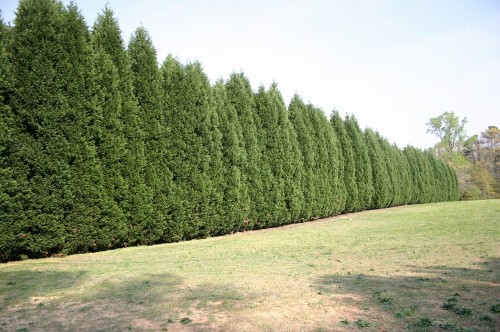
Topping Leyland Cypress Hedges: What You Need to Know
Legal Precedent and Practical Advice In England, “high hedge” laws regulate Leyland cypress height disputes. In the U.S., you can cut the top off a healthy hedge without killing it, but expect vigorous regrowth requiring
The Science of Curing Sweet Potatoes for Maximum Sweetness
Suberization: Turning Starch Into Sugar Freshly dug sweet potatoes must be cured (suberized) to heal skin wounds and convert starch to sugar. Ideal protocol: 80°F, high humidity for 7 days. Then 60°F for 7 weeks. Contr
Yellow Azalea Leaves in Winter: Normal or Problem?
Seasonal Leaf Drop Is Typical Many “evergreen” azaleas are actually semi‑evergreen. Older spring‑produced leaves turn yellow and drop in winter, especially on large‑leaf Indica types. Kurume varieties hold foliage better
Can a Fallen Date Palm Re‑Root?
Palms Recover Differently Than Hardwoods Yes. Date palms (and most palms) produce a dense mass of roots from the root‑initiation zone at the base of the trunk. If propped upright and supported with timbers for 6–12 month
Best Way to Recycle Rose Prunings
Remove Diseased Material From the Bed Because roses (even Knock Out) are prone to foliar diseases, don’t use their own leaves and canes as mulch—they harbor spores. Instead: Compost rose debris in a separate pile away f
Early Asparagus Spears After Fall Cut‑Back
Warm Spells Trigger Premature Growth If soil stays warm after you cut down ferns, dormant buds may push new spears. You can harvest and eat these—they’re tender and tasty. Just remember to fertilize regularly during the
Foliar Zinc Sprays: The Right Way to Feed Pecan Trees
Soil‑Applied Zinc Is Too Slow Pecans need zinc in their leaves for nut development. Soil‑applied zinc sulfate binds to clay and takes years to become available. Instead: Apply 3–6 foliar sprays of liquid zinc (zinc sulf
Killing Clover in Dwarf Iris Beds Without Harming Irises
Exploiting Monocot/Dicot Selectivity Irises are monocots; clover is a dicot. Broadleaf herbicides containing 2,4‑D target dicots and generally spare monocots. However, many 2,4‑D products are labeled only for lawns. Test
Recycling Bermuda Grass Clippings: Best Practices
Mulch‑Mow for Free Fertilizer The easiest, most beneficial method: mow more frequently with a mulching mower and leave clippings on the lawn. They return nitrogen, shade the soil, and disappear quickly. If You Must Bag
Sunflower Seed Hulls and Bare Patches Under Feeders
Allelopathy or Animal Traffic? Sunflower hulls contain compounds that inhibit some plants, but research doesn’t confirm strong effects on St. Augustinegrass. The bare circle is more likely caused by birds and rodents scr
Winter Care for First‑Year Strawberry Plants
Keep Crowns Dry and Leaves Exposed Strawberries tolerate cold well. Key winter tasks: Leave green leaves uncovered—they photosynthesize on sunny days. Scatter wheat straw or grass clippings around plants, not on top, to
Are Mycorrhizal Inoculants Worth It When Planting Trees?
Native Fungi Usually Suffice Mycorrhizae are beneficial root‑associated fungi that trade nutrients for plant sugars. In soils with decent organic matter, they’re already present. Adding commercial inoculants rarely boost
Using Worm Castings Effectively in Clay Soil
Castings Alone Won’t Fix Heavy Clay Worm castings are nutrient‑rich but particle‑size similar to clay, so they don’t improve drainage or tilth. For lasting soil structure: Add gritty sand (granite dust) or expanded shal
Tree Roots and Driveway Damage: Who’s Liable?
A Legal Gray Area Roots from a neighbor’s tree cracking your driveway create a tricky liability question. General legal principles: You may cut roots on your side of the property line, even if it harms the tree. Suing t
Why Your Neighbor’s Oak Produced No Acorns This Year
Mast‑Year Cycles Are Normal Oaks, hickories, and pecans follow an “on‑year/off‑year” pattern. A heavy crop last year means the tree is rebuilding reserves this year. If the canopy was full and green, the tree is healthy—
Why Winter Jasmine Blooms in the Cold
A Chinese Native Out of Sync With Local Pollinators Jasminum nudiflorum arrived from China in 1844. Two theories explain its winter bloom: In its native mild‑winter habitat, insects are active during flowering. All U.S.
Hard Pruning Overgrown Red‑Tip Photinia
Late Winter Is the Window for Drastic Cuts Thirty‑year‑old photinias at 25 feet can be reduced to 8 feet, but expect a flush of disease‑prone new growth. Best approach: Cut back hard in late February. Spray with fungici
Copyright © www.100flowers.win Botanic Garden All Rights Reserved