
Getting the Most from Hose-End Fertilizer on Zoysia
Using a hose-end sprayer with water-soluble fertilizer (like Miracle-Gro 24-8-16) is convenient, but it may not deliver enough nutrients for peak zoysia performance. Granular 24-8-12 labels typically recommend 4 pounds p

Winter Protection for Container Roses on a Deck
Move to Garage or Insulate In Place Best: move pots to an unheated garage/basement. If impossible, group against an east‑facing wall in December and cover with blankets when temps drop into the teens.
Latest Date to Lay Fescue Sod in Fall
September Through April If Ground Isn’t Frozen Fescue sod can be installed any time the soil is workable and sod is available—typically September to April. Pre‑till soil for best rooting. Avoid frigid, windy January days
Managing Privet Responsibly on a Fence Line
Enjoy Fragrance Without Spreading Seeds Privet berries feed birds and spread invasively. After flowering in late spring, watch for green seeds. Prune them off into a bucket and destroy before they turn into gray “bird fo
Overwintering Lotus in Containers
Protect Roots From Freezing Solid After frost kills foliage, cut stems 2 inches above water. Lotus tolerates cold water but not solid ice. One method: sink the pot in a hole with the rim 2 inches above grade—ground heat
Laurel Wilt Disease Threatens Sassafras
Ambrosia Beetle‑Vectored Fungus The non‑native redbay ambrosia beetle carries a fungus that kills sassafras, redbay, and avocado. Limited evidence suggests trunk sprays of bifenthrin or permethrin in early spring may pro
Empire Zoysia Maintenance: Fertilizer, Water, and Disease
Less Input Than Bermuda Mow: Weekly, ≤2.5 inches. Water: Deep soak once a week in July‑August; avoid fall watering to prevent large patch disease. Fertilize: Once at spring green‑up, then every 8 weeks. Zoysia greens u
Pruning Tulip Magnolia: Why Hard Cuts Fail
Flower Buds Are on Last Year’s Growth Tulip magnolia blooms on branch tips formed the previous season. Cutting to 5 feet removes all flower buds. Unlike crape myrtle, magnolias don’t respond well to coppicing—they’ll gro
Giant Roaches in the Compost Pile: Friend or Foe?
They’re Part of the Decomposition Crew Large roaches are natural compost inhabitants. If they bother you, place “large roach” bait stations in waterproof shelters near the bin. The dead roaches become additional compost
Earthstar Fungus Lifting Asphalt Driveway
Saprophytic Fungi Decompose Buried Wood Earthstars are the fruiting bodies of a fungus feeding on dead roots or wood under the driveway. They’ll keep appearing until the organic material is fully decomposed. No chemical
Low‑Cost Horticulture Classes for Georgia Seniors
University System of Georgia Tuition Waiver Residents 62+ can register for classes on a space‑available basis without tuition or mandatory fees (lab/supply fees still apply). Options: University of Georgia – horticultur
Growing Crape Myrtle From Seed: What to Expect
Color Is a Genetic Lottery Seed‑grown crape myrtles won’t match the parent’s flower color. Even seeds from a red plant can produce white flowers. For a known color, buy a named cultivar. If you want to try seeds: collect
Planting Cryptomeria for Privacy and Sound Barrier
Winter Planting Requires Winter Watering Now is an excellent time to plant cryptomeria. Water deeply at the base (on the root ball) throughout winter—roots won’t grow outward until spring. One drying event can kill a new
How Deep Do Tree Roots Really Grow?
Clay Limits Depth in the Southeast In our region, dense subsoil clay stops roots at 18–24 inches. Roots spread laterally and send down occasional “sinker roots” until they hit anaerobic clay. In sandy soils, roots can go
Stepping Stone Spacing for a Comfortable Walkway
24 Inches On‑Center Works for Most For 16‑inch square stones on a 20‑foot path, space centers 24 inches apart. Taller or shorter walkers may occasionally skip a step, but this spacing fits the average gait.
Why Planting Kudzu for Erosion Control Is a Bad Idea
Invasive Plants Cause Long‑Term Harm Kudzu, privet, stiltgrass, and knotweed have devastated Southern ecosystems. Introducing kudzu to Mexico would repeat the mistake. Instead, use non‑invasive groundcovers suited to ari
Vegetable Gardening Over a Septic Drainfield
Safe Crops and Practices A properly functioning leach field poses minimal pathogen risk. Recommended: Tall crops: okra, corn (no soil contact). Trellised: tomatoes, cucumbers, beans, peas. Wash all harvest thoroughly. A
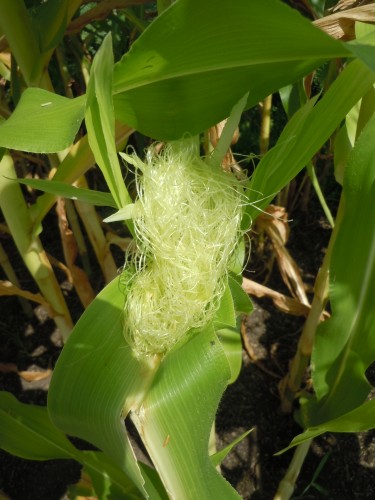
Corn Earworm Control: Timing Is Everything
Protect Silks at the Right Moment Mechanical: Clothespin at silk emergence. Oil treatment: Mineral or vegetable oil at silk tips 2 days after full silk (when silks start browning). Too early prevents pollination. Chemic
Castor Oil for Moles: Myth or Method?
No Scientific Support for Repellency Castor oil won’t harm grass or shrubs, but research doesn’t back its mole‑repelling claims. Mole activity is highly variable; apparent success is often coincidence. Best approach: pre
Schip Laurel Alternatives: Distylium Emerald Heights
Evergreen Substitute for Foundation Planting Schip laurel is hard to find. Distylium Emerald Heights is a comparable evergreen shrub—dense, tidy, and increasingly available at local nurseries. ‘Vintage Shade’ is a lower‑
Copyright © www.100flowers.win Botanic Garden All Rights Reserved