
First Step to a Successful Vegetable Garden: Soil Preparation
Turn Red Clay Into Loam The single most important step: create soft, organic‑rich soil. Spread 3 inches of soil conditioner over the plot and till 10 inches deep. Do this now. Then all vegetables need is sun, water, and

Preventing Sour Figs in Wet Weather
Rain + Yeast = Sour Fruit Souring occurs when rain during the final ripening week allows yeasts (carried by insects/wind) to enter the fig’s eye. Varieties ‘Celeste’, ‘LSU Purple’, and ‘Brown Turkey’ resist souring bette
Why Spinosad Is Restricted on Collards in Georgia
Resistance Management History Diamondback moth caterpillars developed resistance to spinosad after years of heavy use. To preserve efficacy, Georgia limited applications on leafy greens (collards, kale, mustard, spinach)
Nitrate Fertilizer for Winter Pansies
Osmocote 19‑6‑12 Supplies Nitrate Nitrogen Roots in cold soil absorb nitrate‑N better than urea or ammonium. Osmocote 19‑6‑12 contains 9% nitrate nitrogen and is a reliable slow‑release option for winter‑blooming pansies
Using Composted Chicken Litter on Fescue Lawns
Trial and Error for Best Results Chicken litter averages 3‑3‑2 N‑P‑K. To supply a full pound of N per 1,000 sq ft you’d need ~33 lb of litter, applied three times between September and March. It releases slowly in cold w
Eradicating Invasive Mahonia (Leatherleaf Mahonia)
Cut, Pull, and Treat Stumps Wear leather gloves and a heavy jacket. Lop each stem at the base, pull the shrub out, and immediately spray the fresh stump with a glyphosate product (Roundup, KillzAll, KleenUp). Birds sprea
Squirrels Stripping Tree Leaves: Temporary Nuisance
Young Squirrels Exploring Leaf‑cluster eating peaks after the May‑June breeding season. The behavior usually fades as juveniles mature. Live‑trapping is an option, but damage is rarely permanent. Raking twice daily is th
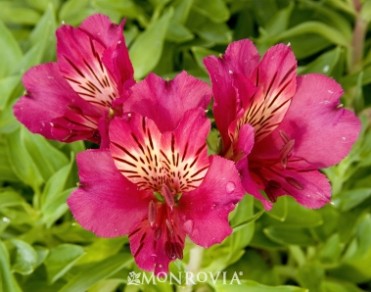
Transplanting Hardy Amaryllis (Hippeastrum x johnsonii)
Move Dormant Bulbs in Winter After foliage dies back, dig bulbs and replant in a bed amended with 2 inches of soil conditioner mixed 10 inches deep. Site: full morning sun, afternoon shade after 2 p.m. Plant with the top
Where to Buy Christmas Ferns in Georgia
Native Plant Sales and Events The Georgia Perimeter College Native Plant Garden (gpcnativegarden.org) in south DeKalb holds regular fern sales and “Lunch ’n’ Learn” sessions during the growing season.
Pruning Butterfly Bush (Buddleia) Safely
Cut Hard After First Killing Frost Reduce the shrub to 18 inches above ground. It will flush vigorous new growth in April and bloom all summer. No need to be timid—but wait for frost to avoid stimulating tender growth th
Decorative Rock Mulch: Pros, Cons, and Better Alternatives
Stones Look Nice But Cause Headaches Rocks are hard to keep clean (leaves, debris), nearly impossible to remove later, and don’t feed the soil. If you use them, lay landscape fabric first. Organic mulches (straw, wood ch
Eliminating Weed Seeds Before Spring Planting
Seed Banks Are Persistent Most weed seeds survive winter. No fumigants exist for home use. Solarization (clear plastic) works only in hot summer months. Best strategy: be ready to spot‑spray emerging weeds next spring wi
Squirrel Nest Reuse and Population Dynamics
Nests Are Recycled, Not Owned Gray squirrels reuse dreys, but individuals live only 1–2 years. New families move into vacant nests. Removing a nest doesn’t reduce overall numbers—populations fluctuate naturally. Little a
Shredded Straw Mulch: Beauty and Spider Habitat
Aesthetic Appeal Plus Biological Control Running straw through a leaf shredder creates a gorgeous golden mulch. Bonus: it attracts hunting spiders that patrol at night, reducing aphids and other sucking pests. Less insec
Do Pine Needles and Oak Leaves Acidify Soil?
Myth Busted: They Don’t Lower pH Long‑Term Fresh needles and leaves are acidic, but soil buffers neutralize them within months. Pines grow in poor soil because they tolerate it, not because they create it. Research refer
Why Radishes Grow Tops But No Roots
Common Causes and Fixes Too much nitrogen fertilizer Insufficient sunlight Wrong variety (use spring types: ‘Cherry Belle’, ‘Burpee White’, ‘Icicle’) Overcrowding – thin to 1–2 inches apart Inconsistent moisture Plant
Creasy Greens (Winter Cress): A Spring Tonic
Barbarea verna – The Mountain Wild Edible Creasy greens form a dandelion‑like rosette with a peppery “twang.” Harvest in early spring, cook like turnip greens. Rich in vitamins. Seed sources and more details: bit.ly/crea
Whiteflies on Collards: Identification and Control
A Significant Cool‑Season Pest Whiteflies suck sap from collard leaves, eventually killing them. Effective treatments: Organic: Neem oil (reapply weekly) Synthetic: Acetamiprid (Ortho Flower, Fruit & Vegetable Insect Ki
Fertilizing Fescue After Overseeding: Weed Control Timing
Wait Until Grass Is Established Apply herbicide only after the new fescue has been mowed 2–3 times. If the stand is thin, skip weed‑and‑feed and use straight fertilizer at label rates. Thick turf naturally outcompetes mo
Ash Tree Diseases: Emerald Ash Borer vs. European Ash Wilt
Two Different Threats Northern Ireland faces ash wilt (a fungal disease). The U.S. Midwest battles the emerald ash borer (EAB), a beetle that kills trees rapidly. EAB spreads mainly via infested firewood—hence the “Burn
Copyright © www.100flowers.win Botanic Garden All Rights Reserved