





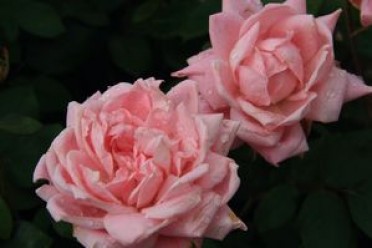


Top Field Guides for Identifying Shrubs and Vines
Expert‑Recommended References Shannon Pable, native‑plant specialist, suggests these comprehensive guides: Newcomb’s Wildflower Guide – Lawrence Newcomb (key‑based, excellent for woody plants too) Wildflowers of the Eas

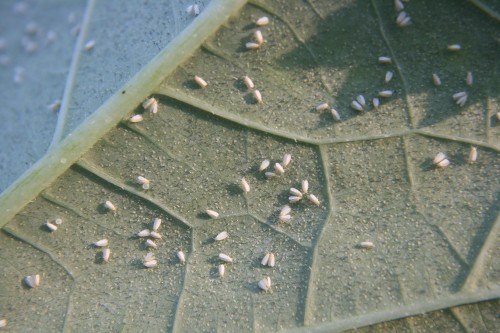
Controlling Whiteflies on Tomatoes
Early Intervention Is Key Whiteflies colonize tomato leaf undersides and spread rapidly. Treat at first sign with: Organic: Neem oil or spinosad (apply weekly) Synthetic contact: Permethrin (Eight) or cyfluthrin (Bayer
When to Prune Loropetalum (Chinese Fringe Flower)
Timing Matters for Spring Blooms Loropetalum sets flower buds in late summer for the following spring. Pruning now (January) removes those buds, sacrificing the pink display. The standard rule: prune spring‑flowering shr
Incorporating Compost into Vegetable Beds: Till Before or After?
Best Practice for Winter Compost Application Spread the compost over the bed, then till it in immediately. Even in cold weather, some microbial activity occurs, breaking particles down further. By spring the compost will
Where to Buy American Beech Trees in the Southeast
Native Nurseries Carrying Fagus grandifolia American beech is a beautiful, slow‑growing native shade tree. Two reliable Georgia sources: Nearly Native Nursery (Brooks) – nearlynativenursery.com – offers beech plus 800+
Saving a Wind‑Thrown Leyland Cypress
Re‑Standing and Staking a Large Evergreen A 15‑foot Leyland cypress that blew over can often be saved if the root ball is largely intact. Follow these steps: Dig a 24‑inch deep hole 12 inches from where the trunk will s
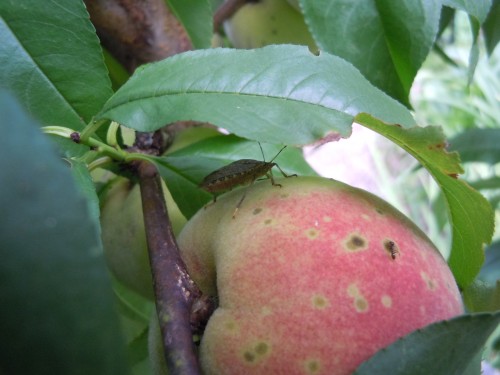
Managing Brown Marmorated Stink Bugs on Fruit Trees
An Invasive Pest That’s Here to Stay The brown marmorated stink bug (BMSB) has thrived in Georgia for several years. It feeds on a wide range of fruits, leaving corky, discolored patches that ruin market quality. Control
Early Daffodil Foliage: No Need to Panic
Winter‑Emerging Leaves Are Normal Daffodil leaves often push up during warm spells in January or February. The foliage is cold‑hardy and rarely damaged by freezing temperatures. Flower buds remain protected deep in the b
Rooting Hydrangea Cuttings in Winter
Simple Cold‑Season Propagation Methods Hydrangeas root readily from hardwood cuttings taken in December through February. Three low‑effort techniques: Bag method: Insert 12‑inch cuttings into a bag of moist potting soil
Growing Oats in Containers for Decorative Harvest
Container Oats: A Fun Seasonal Project Oats grow well in large pots. Sow a tablespoon of seed in a 12‑inch container, cover lightly with potting mix, and place in full sun. In cooler regions, move pots to a sheltered spo
Best Ground Covers for Erosion Control and Wildlife
Perennial Plants That Feed Deer and Stabilize Soil For a cleared slope that needs both erosion control and wildlife value, consider these hardy perennials: Alfalfa – deep roots, high protein forage Clover (white or red)
Earthstar Fungi: Should You Remove Them?
Understanding the Mushroom in Your Oak’s Shade Earthstars are the fruiting bodies of a fungus that decomposes buried organic matter—often a dead tree root. The underground mycelium persists as long as the food source rem
Effective Roundup Alternatives Without Monsanto
Glyphosate and Non‑Glyphosate Options Since glyphosate’s patent expired, numerous manufacturers now sell the same active ingredient under different brand names. Products like Bonide KleenUp and Hi‑Yield Kill‑Zall contain
Finding Bulk Coir for Your Hydroponic Strawberry Beds
Sourcing Coconut Fiber in Large Quantities Coir, the processed fiber from coconut husks, is an excellent peat moss alternative for hydroponic systems. It’s affordable, renewable, and holds moisture well while providing g
Removing Pine Trees Without Harming Nesting Squirrels
If you need to cut down pine trees but want to avoid disturbing squirrels, timing is everything. Squirrels typically breed in late winter, so by early spring any young are mobile enough to survive relocation. Removing tr
Edible Vines for a West-Facing Trellis
Looking to cover a west-facing trellis with productive, heat-tolerant vines? Several annual edibles thrive in that intense afternoon sun. Malabar spinach (Basella rubra) isnt a true spinach, but its thick, fleshy, heart-
Spring Overseeding of Fescue: A Viable Plan B
Fall is best for fescue, but mid-to-late February works as a second window. Aerate thoroughly, broadcast seed, drag carpet or chain-link to settle seed into holes, water ½ inch, and hope for warm days. Spring seedlings f
Best Pear Variety for Southern Preserves: Kieffer
The classic Southern pear for preserves is Kieffer. Its gritty flesh holds shape beautifully when cooked. Other good Georgia pears include Moonglow, Orient, and Warren. Avoid Bartlett, which succumbs to fire blight here.
Pesticide Shelf Life and Safe Disposal
Most pesticides remain effective for years if stored away from freezing and extreme heat. If you want to dispose of old products, triple-bag dry materials in heavy trash bags. Solidify liquids with kitty litter in a seal
Buying 'Florida 90' Strawberry Plants Online
Local stores rarely sell strawberry plants in bulk bundles anymore. For Florida 90 or other varieties in quantity, order online from Isons Nursery (isons.com) in Brooks, GA, or Nourse Farms (noursefarms.com). They ship h


Copyright © www.100flowers.win Botanic Garden All Rights Reserved