
Lowering Bermuda Mowing Height in Fall: Don't Scalp It Now
Gradual Height Reduction Is a Spring Job Bermuda should be maintained at 1–1.5, but dropping from 3 to 1.5 in fall is a mistake. The grass needs leaf surface to photosynthesize and store root reserves for winter. Correc

Fall Webworms in Sweetgum: Web Removal and Organic Control
Those Webby Nests in Your Trees Are Fall Webworms Silky tents at branch tips on sweetgum, pecan, or maple in late summer = fall webworms (Hyphantria cunea). They started building in June but become noticeable now. Theyre
Saving Plants During Landscape Renovation: Rescue Options
Finding Homes for Existing Plants Before a Redesign Landscape contractors rarely want your existing plants—they must guarantee survival, and nursery stock is more reliable. But your plants have value to others. Rescue A
Fall Pruning of Knock Out Roses: Light Tidy-Up Only
What to Do (and Not Do) with Knock Out Roses in Autumn Fall is fine for light grooming of Knock Out® roses: remove spent flower clusters, trim long canes, cut out dead wood. But dont hard-prune now. Major structural prun
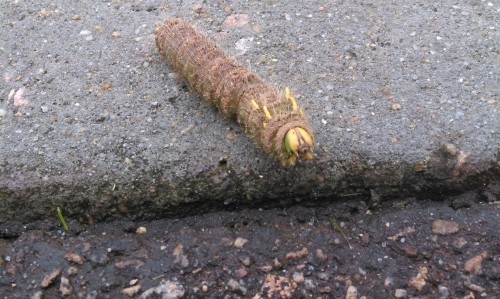
Hickory Horned Devil Caterpillar: The Pre-Horn Stage
That 6-Inch Caterpillar Before It Grows Its Horns The hickory horned devil (Citheronia regalis) larva is one of North Americas most spectacular caterpillars. The photo shows the pre-final instar—large, green, with black
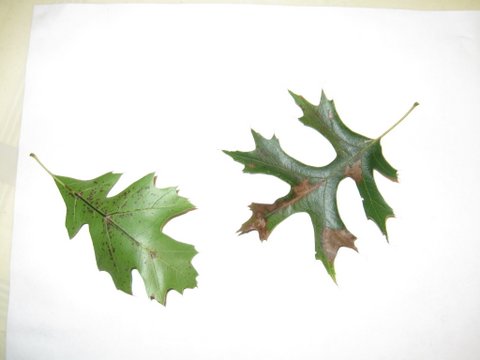
Oak Bacterial Leaf Scorch: A Fatal Disease with No Cure
Marginal Leaf Browning on Oaks in Summer Heat If your oak shows distinctive marginal and interveinal browning during hot weather—while nearby oaks look healthy—its likely bacterial leaf scorch (BLS), caused by Xylella fa
Volunteer Squash with Two-Toned Fruit: A Natural Hybrid Surprise
That Mystery Vine Under the Porch A green-and-yellow squash appeared unplanted under a porch. The cause: an animal dropped a seed from a cross-pollinated fruit—likely between an acorn squash and a yellow summer squash.
Hens and Chicks (Sempervivum): Care, Propagation, and Normal Life Cycle
Why the Hen Dies and the Chicks Thrive Hens and chicks (Sempervivum tectorum) are monocarpic—the mother rosette (hen) flowers once, sets seed, then dies. This is normal, not a problem. The offsets (chicks) are the plants
Honeycrisp Apple Seedlings: GMO Concerns and Seedling Reality
Your Sprouted Apple Seeds: Not GMO, Not True-to-Type A gardener sprouted seeds from a non-organic Honeycrisp apple and wondered if the seedlings would be GMO. The answer: Honeycrisp is not a GMO variety. Only two GMO app
Lubber Grasshopper: The Clumsy Giant in Your Garden
That Huge Black Grasshopper on Your Japanese Maple If a massive, flightless grasshopper—black, yellow, or orange depending on stage—appeared on your plants, its the eastern lubber grasshopper (Romalea microptera). Nymphs
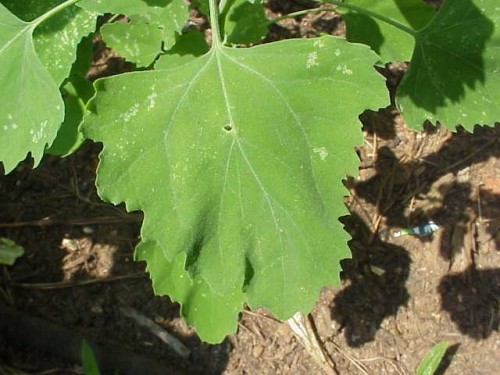
Lambsquarters in Georgia: A Weed You Can Eat (If You Want)
Chenopodium album: Ubiquitous, Edible, and Persistent Lambsquarters grows enthusiastically across Georgia—so much so that one gardeners father joked about becoming a millionaire selling seeds from his farm. Its a nutriti
Commercial Elephant Ears in Winter: They're Composted, Not Saved
What Happens to Those Huge Tropical Plants After the Season? If youve admired massive elephant ears (Colocasia, Alocasia) in commercial landscapes and wondered if theyre saved over winter—the answer is almost always no.
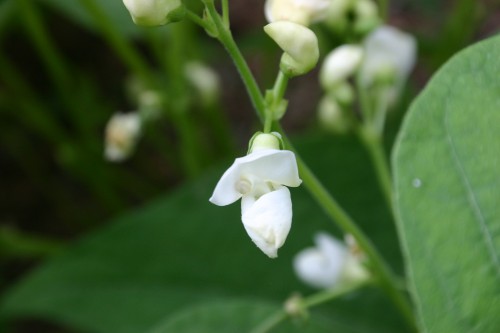
Flat Butterbean Pods: The Pollination Problem
Why Your Pole Butterbeans Have Flat, Empty Pods Healthy vines but flat, seedless pods point to one cause: poor pollination. Butterbeans (lima beans) are self-pollinating but benefit significantly from bee activity and cr
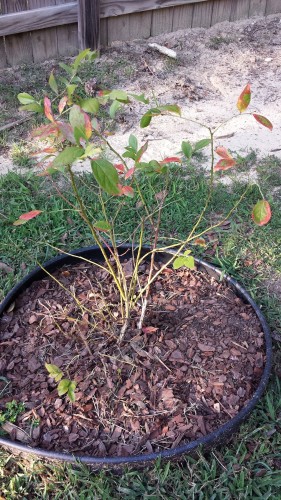
Blueberries Dying in "Garden Soil": The Drainage Disaster
Why Bagged Garden Soil Kills Blueberries A homeowner planted three blueberry bushes in holes filled with bagged moisture control garden soil topped with pine bark nuggets. Two are struggling; one is nearly dead. The diag
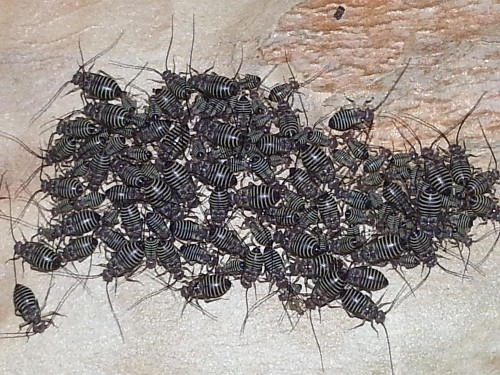
Barklice on Crape Myrtle: Harmless Clean-Up Crews
Those Weird Webby Clusters on Your Crape Myrtle Trunks If youve found silky, web-like masses on your crape myrtle bark with tiny insects underneath, youre seeing barklice (Archipsocus nomas), also called psocids or tree
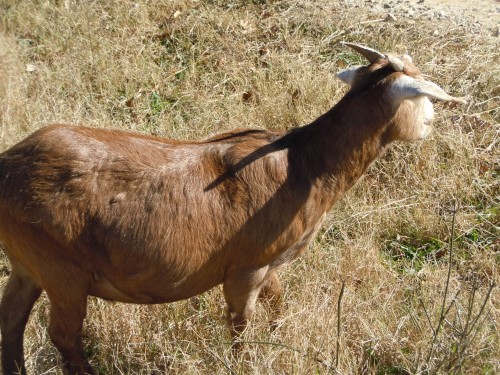
Using Goats and Sheep for Invasive Plant Control: What You Need to Know
Targeted Grazing for Ivy, Privet, and Other Problem Plants Goats and sheep can be highly effective for clearing invasive vegetation on steep, overgrown, or inaccessible sites where mowing and herbicides are impractical.
North American Millipede: Harmless but Startlingly Large
Identifying Those 5-Inch Worms in Your Home If youre finding large, cylindrical, many-legged creatures (up to 5 inches) in and around your house, youre seeing the North American millipede (Narceus americanus). Despite th
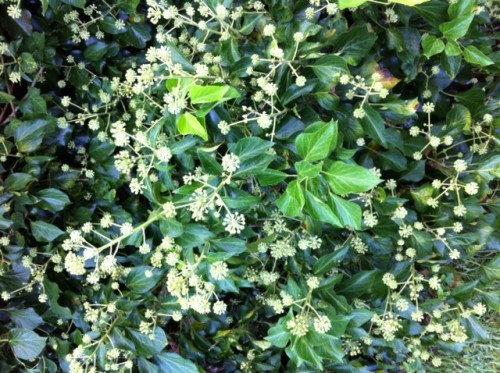
Mature English Ivy: Flowers, Berries, and Why It's Still the Same Invasive Plant
When Ivy Stops Climbing and Starts Blooming English ivy (Hedera helix) has two distinct life phases. The familiar juvenile form—lobed leaves, climbing habit—eventually transitions to the mature (arborescent) form when it
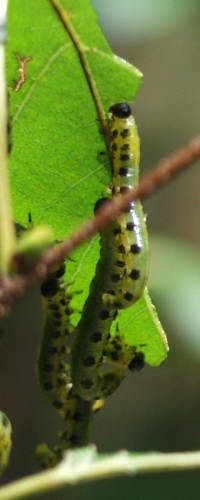
River Birch Sawfly Control: Why Your Imidacloprid Drench Failed
The Math Behind Systemic Insecticide Dosing A homeowner treated two multi-trunk river birches (3 trunks each, 6 diameter) with one 40 oz bottle of imidacloprid split between them. By mid-August, sawfly larvae were feedin
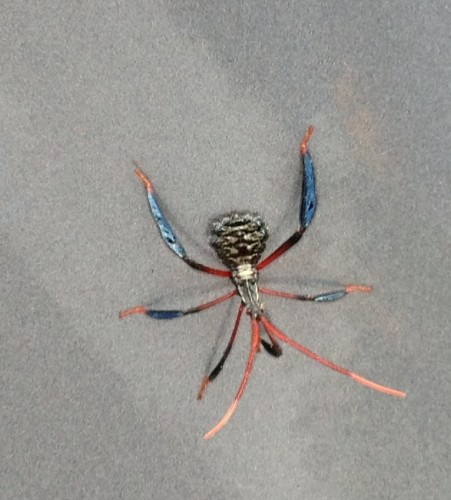
Leaf-Footed Bug Nymph: A Harmless, Charismatic Visitor
That Waving Bug on Your Car Is a Juvenile Leaf-Footed Bug If a slender, orange-brown bug with flared hind legs and long antennae appeared on your vehicle and seemed to gesture at you, youve met a nymph of Acanthocephala
Copyright © www.100flowers.win Botanic Garden All Rights Reserved