
Protecting Bulbs from Chipmunks and Squirrels
Lay chicken wire over planted bulbs, cover with mulch. Secure with wire hairpins made from coat hangers. Simple, effective, and reusable.

Kudzu Bugs on Houses: Same Treatment as Stink Bugs
Kudzu bugs aggregate on homes in fall like brown marmorated stink bugs. Seal cracks, spray outdoor aggregations with garden insecticide. Indoor bugs: sweep and discard outside—dont vacuum (odor lingers).
Planting Bulbs in Heavy Red Clay: Auger and Amend
Clay requires physical amendment—no shortcuts. Use a bulb auger on an electric drill to drill holes, remove clay to wheelbarrow, mix 2 inches compost/conditioner per 10 inches clay, backfill 3 inches amended soil, place
Raking Pine Straw Over Pre-Emergent: No Problem
Raking pine straw off a Bermuda lawn after pre-emergent application wont significantly reduce the herbicides effectiveness. Research shows even core aeration—which disturbs soil far more aggressively—has minimal impact o
Spinach Seed Germination: The Board Trick Explained
Spinach seeds germinate erratically, preferring consistent moisture and 65°F soil. Covering the seeded row with a board shades the soil, reducing temperature fluctuations and moisture loss. Daily Routine Lift the board
Plant Origins: The Surprising Geography of Common Names
Pears originated across Europe and Asia, not North America. Many plants bear misleading geographic names: English walnut → Balkans African marigold → Mexico Cherokee rose → China French mulberry → American beautyberry
Pansies and Deer: Not a Resistant Combination
Pansies are decidedly not deer-resistant. Gardeners frequently report deer methodically pulling plants from beds by their roots. Two deterrent categories may help: Scent-based repellents – Sprayed on foliage, require r
Eradicating Privet: The Cut-and-Treat Method
Removing established privet thickets is a two-person job best done with a systematic cut-and-treat approach. One person cuts each stem at ground level with loppers or a saw; the other immediately treats the fresh stump w
Late-Season Fescue Seeding: Still Possible with Warm Soil
Fescue seed germinates best when soil temperatures exceed 60°F. Current readings in the mid-60s at 2-inch depth indicate a viable window for late seeding. Thorough aeration, seeding, and rolling to ensure seed-to-soil co
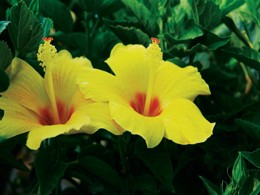
Tropical Hibiscus: Bring It In Before the Freeze
When temperatures approach the 30s, tropical hibiscus must move indoors immediately. These plants cannot tolerate any frost or freezing temperatures. A sunny window will sustain them through winter, allowing a return to
Pruning 'Penny Mac' Hydrangea: Fearless Timing
Unlike traditional mophead hydrangeas that bloom only on old wood, Penny Mac is a remontant (reblooming) variety that forms flower buds throughout the growing season. You can prune it now without sacrificing next years f
The Acorn Cycle: Why Some Years Are Lean
Oak trees typically produce heavy acorn crops in alternate years. A bumper crop one fall exhausts the trees reserves, leading to a light crop the next—even with favorable weather. Spring rains can also wash away pollen,
Kousa Dogwood: The Ideal Small-Space Ornamental Tree
For a small front yard, kousa dogwood (Cornus kousa) is hard to beat. It reaches 15–25 feet with a bushier habit than flowering dogwood, thrives in full sun, and has a non-invasive root system. Seasonal Highlights Spr
Boxelder Bug Invasions: Prevention and Control
Boxelder bugs, like kudzu bugs and Asian lady beetles, congregate on sunny house walls in autumn seeking winter shelter. They exploit cracks to enter wall voids and sometimes indoor spaces. While harmless to humans, thei
Mexican Heather Winter Survival: A Game of Chance
Mexican heather (Cuphea hyssopifolia) occasionally survives Atlanta winters, but its never guaranteed. The plants return after being cut back and surrounded by pansies suggests a favorable microclimate, but a few days of
Science-Based Gardening References for the Curious Mind
For a chemistry student seeking the how and why behind gardening practices, four outstanding books bridge horticulture and hard science: Decoding Gardening Advice and The Truth About Garden Remedies by Jeff Gillman The
Growing Giant Sweet Potatoes: Easy Culture, Impressive Harvests
A 3½-pound sweet potato is a testament to how rewarding this crop can be. Sweet potatoes thrive in loose, well-drained soil with full sun and room for vines to run. Unlike white potatoes, theyre grown from slips—rooted s
Growing Roses from Seed: Embracing the Genetic Lottery
Planting exotic rose seeds like Black Dragon or Abracadabra is an adventure in genetics, not a guarantee of replicating catalog photos. Roses dont come true from seed—each seedling is a unique combination of traits from
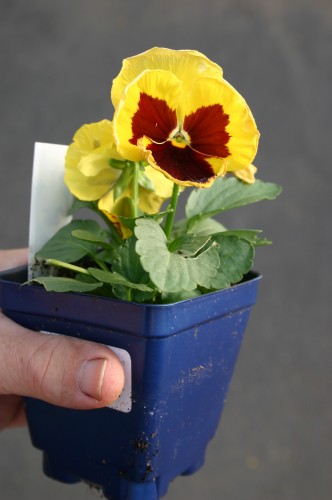
Planting Pansies for Winter Color: Timing, Root Systems, and Fertilizer Secrets
Pansies are remarkably cold-hardy and can be planted anytime the ground isnt frozen. However, success hinges on selecting plants with adequate root systems and using the right fertilizer for cold soil conditions. Root S
Managing Poison Ivy: Vigilance Over Eradication
Complete eradication of poison ivy is impossible because birds continuously spread seeds through their droppings. The realistic goal is ongoing management through early detection and prompt treatment. The Weekly Walk St
Copyright © www.100flowers.win Botanic Garden All Rights Reserved