
Powdery Mildew Is Host-Specific: Safe to Plant Japanese Maple After Crape Myrtle
No Soil Treatment Needed Powdery mildew fungi are highly host-specific. The strain that infects crape myrtle will not affect Japanese maple because the two plants are unrelated. Simply remove the crape myrtle and plant t

Lenten Roses Self-Pollinate Prolifically
No Insects Needed for Seed Set Hellebore (Lenten rose) flowers have male and female parts in close proximity, making self-pollination inevitable. Seeds form in May, drop in June, and youll typically find a carpet of seed
Roach Control: Mulch Management and Bait Stations
Short-Term: Treat Mulch Areas Sprinkle outdoor insecticide granules on mulched beds near the foundation. For better penetration, rake out and replace old mulch first to eliminate moist harborage underneath. Long-Term: P
Growing Straight Osage Orange Logs for Bow Making
Staking for Straightness Without Restricting Taper To produce straight, knot-free bow staves, stake young osage orange trees but keep stakes loose so trunks can flex in the wind. This movement develops the critical trunk
Pre-Emergent Herbicides Can Hinder Warm-Season Grass Spread
How Weed Preventers Affect Stolon Rooting Yes—common pre-emergent herbicides cause clubbed roots on Bermuda, zoysia, centipede, and St. Augustine grasses. The stolons (above-ground runners) cannot peg down into the soil,
Best Time to Fertilize Hyacinths for Better Blooms
Feed When Leaves Emerge, Not When Flowers Show Fertilizing hyacinths at bloom time is too late—most nutrients wont be absorbed. The optimal window is just as leaves emerge, when roots are actively expanding and forming n
When to Move Boston Ferns Outdoors in Spring
Temperature Threshold for Safe Transition Boston ferns can go on a covered porch once nighttime temperatures reliably stay above 45°F. Before that, cold nights can damage the tender fronds. Watch the forecast and wait fo
Fertilizer Choice for Bermuda Sod: Slow-Release vs. Quick-Release
Why 10-10-10 Isnt Ideal for Established Lawns Quick-release fertilizers like 10-10-10 dump all nutrients at once—like eating a weeks meals in one sitting. The grass greens up fast, but after a couple of rains, the nutrie
Improving Clay Soil for Daylilies with Expanded Slate
A Permanent Soil Amendment for Perennial Beds Red clay is notorious for hardening into concrete, but expanded slate (sold as PermaTill, Soil Perfector, etc.) creates lasting pore space that keeps soil loose and well-drai
Daffodil Bud Blast: Why Buds Form But Won't Open
Weather-Related Physiological Disorder When daffodil buds develop but fail to open, the condition is called bud blast. Its typically triggered by severe temperature fluctuations—especially hard freezes after buds have fo
When to Sow White Dutch Clover as a Living Mulch
Best Planting Window September is ideal for sowing white Dutch clover, but spring planting can work if you keep the seedbed consistently moist (not soggy) during establishment. Summer heat above 90°F will require supplem
Why Gladiolus Numbers Decline Each Year
Overcrowding from Cormels Is the Usual Cause Gladiolus bulbs are technically corms, and they produce numerous small cormels around the base. If left undivided, these offspring compete fiercely for nutrients and space, ca
Weed Control in Moss Beds: Hand-Pulling Only
Why Herbicides Fail in Moss Gardens Moss and weeds are both non-vascular or shallow-rooted plants, so non-selective herbicides like glyphosate (Roundup) kill moss just as quickly as weeds. One gardener learned this the h
Growing Potatoes in a Wire Tower: Cover Stems, But Leave the Top Leaves Exposed
Vertical Potato Growing: The Leaf-Coverage Balance Wire cylinders filled progressively with compost and shredded leaves are a brilliant way to grow potatoes above ground. But as shoots emerge, how much should you bury?
Pruning 'Biloxi' Crape Myrtle: Keep the Trunks, Lose the Lower Limbs
Shape This Large Variety for Beauty and Structure Biloxi crape myrtle reaches 20+ feet with stunning lavender blooms and exquisite exfoliating bark. Your 17-foot, four-trunk specimen is perfectly suited for a tree-form a
Ambrosia Beetles on Crape Myrtles: Why Systemics Fail and Bark Sprays Work
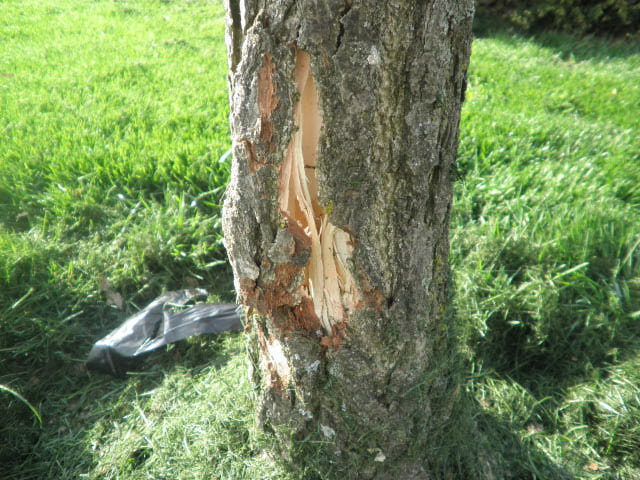
The Beetle That Bores Past Your Defenses Systemic insecticides (like the discontinued Isotox) dont stop ambrosia beetles. Heres why: females bore through the cambium—where systemic chemicals reside—into the heartwood, in
When to Scalp Zoysia (and Bermuda) for Faster Spring Green-Up
Scalping: A Strategic Spring Mowing Technique Removing dead, tan leaf tissue lets sunlight warm the soil and stimulates earlier green-up. But timing is critical—scalp too early and you damage the crown. The Rule: Wait f
Butterfly Identification and Host Plants: Your Georgia Guide
Welcome Butterflies With the Right Plants—and Know Whos Visiting First butterfly of the season spotted! Want to identify it and attract more? The University of Georgia maintains excellent resources for Georgia gardeners.
Italian Cypress Rust Spots: Fungus, Mites, or Root Rot? Diagnosis and Options
The Short, Beautiful Life of Italian Cypress in the South Italian cypress (Cupressus sempervirens) grows fast and looks majestic for 5–10 years in the Southeast—then typically succumbs to spider mites, root rot, or branc
Bees Barely Moving on Fall Flowers? They're Just Sleeping
Those Dead Bees on Lantana Are Just Napping Late September: large black bees cling motionless to flowers. Nudge them—they barely stir. Are they dying? No. Theyre sleeping. Bee Sleep Behavior Many bee species (especiall
Copyright © www.100flowers.win Botanic Garden All Rights Reserved